
 E-Paper



India's LNG terminals run at less than half capacity, petroleum and natural gas regulator proposes new rules
India's petroleum and natural gas regulator proposed new rules to address the persistent issue of LNG capacity underutilization and bring greater transparency.

 Prefer HTon Google


India's Petroleum and Natural Gas Regulatory Board (PNGRB) released a draft proposal for improving regulatory control over the country's liquefied natural gas (LNG) terminals, as per S&P Global Commodity Insights (GPI), ANI reported.
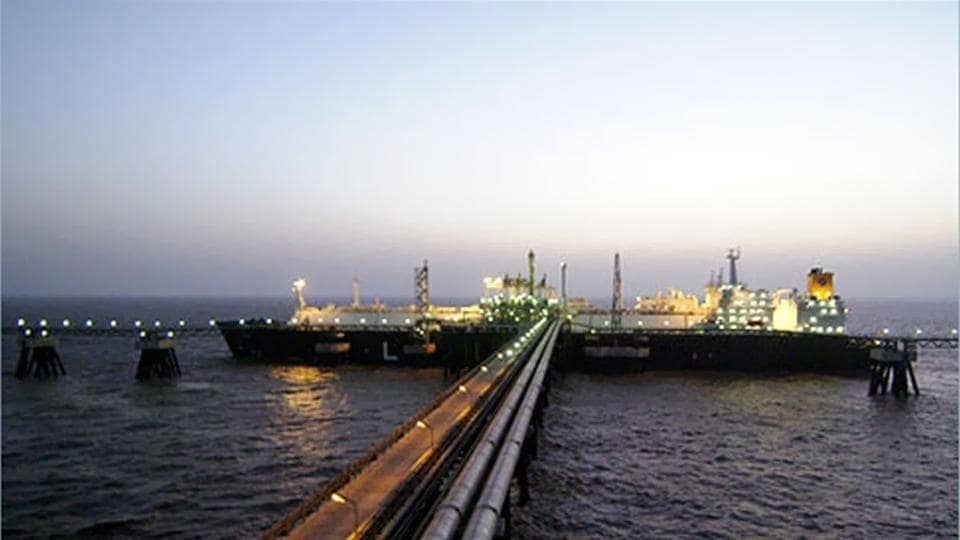
This is to address the issue of gas capacity in facilities being underutilized and also to improve transparency.
Also Read: India saved $25 billion by importing Russian crude oil: Ministry data
Many facilities, except for the Dahej terminal are currently operating at less then 50% capacity, the report read.
The proposed changes would allow new suppliers to access the terminals, foster increased competition, and face potentially lower costs, ANI wrote, quoting an unnamed source.
What are the new rules in the draft proposal?
Entities planning to build an LNG terminal will have to notify the PNGRB before making a final investment decision.
New LNG import projects will require a certificate of registration from the PNGRB.
Developers have to publicly disclose their tariffs for regasification and other charges.
The regulator's approval for new units or expansions will be based on several factors, including promoting competition among operators, avoiding unnecessary investments, ensuring an adequate national gas supply, maintaining or increasing supply for equitable distribution, protecting consumer interests, and providing the necessary natural gas pipeline infrastructure for the transportation of regasified LNG from the terminal.
Also Read: India in talks with Norway's Equinor for oil reserves and gas deal
The PNGRB can fine developers if project schedules or start-up dates are delayed.
Companies planning new capacity must have a credible business plan for capacity utilization and will need to furnish a bank guarantee equal to 1% of the terminal's estimated project cost, or ₹25 crore, whichever is less.
What do the new regulations mean for the LNG sector?
"While the regulation may slow down the development of LNG regasification infrastructure as licensing may take some time, it will enhance transparency for the downstream consumers as terminal information becomes publicly available and would also promote open access," ANI wrote, quoting Akshay Modi, South Asia analyst for natural gas, LNG, and hydrogen at S&P Global Commodity Insights.
Also Read: ONGC seeks foreign partners for Mumbai High oilfield as output falls
India's LNG imports surged by 44% in the first quarter of 2024 compared to the same quarter of the previous year, and India's reliance on LNG imports aren't expected to diminish, the report read.


