
 E-Paper





Many Target shoppers are frustrated with the retailer. Many Target employees are too.
Inside Target, Frustrated Employees and the Search for a New CEO
Target, needing to revive sales and boost morale, is searching for its next leader.
Published on: Aug 11, 2025, 15:37:00 IST

WSJ

 Prefer HTon Google
Share via
Copy link

In early June, a companywide survey showed that roughly half of Target’s employees didn’t think the company was making the changes necessary to compete effectively. About 40% of the roughly 260,000 staffers who replied said they didn’t have confidence in the company’s future. The scores—which declined from a year ago—were even lower for those staffers at Target’s headquarters in Minneapolis.
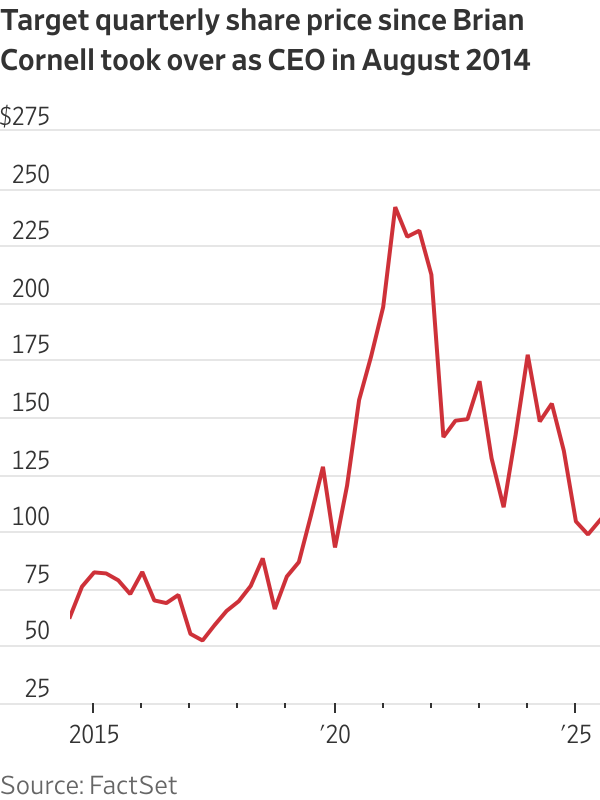
The worker sentiment data reflects the challenges ahead for the company as it prepares to navigate a leadership change and turn around 10 quarters of flat or falling sales in an increasingly complex consumer environment.
In an internal video on Aug. 6, Chief Commercial Officer Rick Gomez acknowledged that the worker survey showed that “we need to do a better job of empowering you to do your best work.” He asked leaders to remove obstacles and simplify the way teams work.
Target has lost its footing as shoppers turn to other retailers that are perceived to have lower prices at a time of high inflation and better selection or in-store experience, according to internal data and former and current executives. Target has also been ensnared in culture war issues surrounding its gay Pride product selections and corporate diversity, equity and inclusion policies.
For more than two years, Chief Executive Brian Cornell has said the company would turn things around with a focus on unique products, good values and improving fundamentals like better stocking its shelves. So far that strategy hasn’t produced much sales growth. Target reports its latest quarterly results Aug. 20.
“While we recognize the hard work and progress under way, we’re not where we want to be,” Cornell said in a statement Saturday.
“Across the organization, we’re focused on building on our strengths,” the CEO said. “Backed by strong assets, proven capabilities and a talented team, we’re confident in our path forward.”
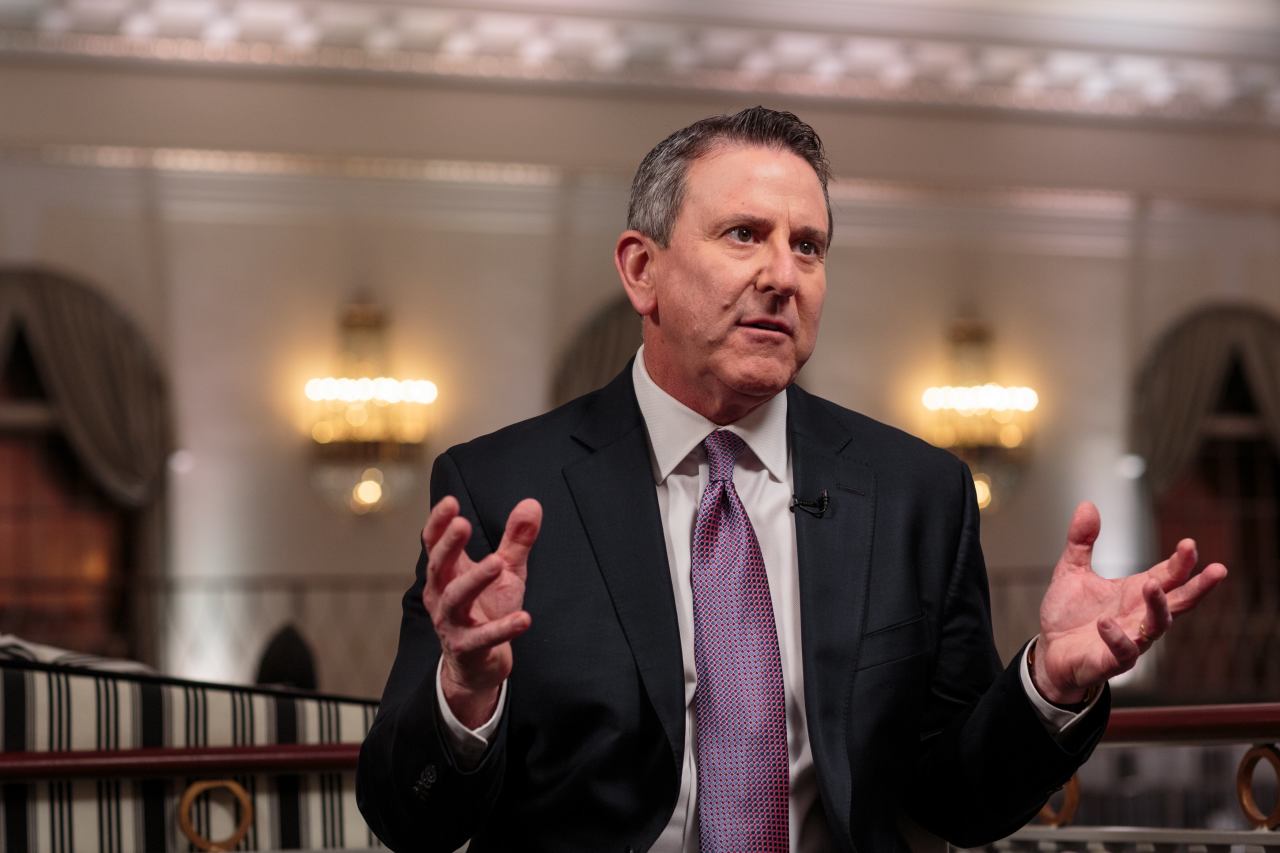
Cornell, 66, is preparing to step aside as CEO after more than a decade in the role. In 2022, the board eliminated its mandatory retirement age of 65 and said Cornell had committed to stay approximately three more years.
The board has been running a CEO succession process, and among the candidates is one of his top deputies, Michael Fiddelke, the current chief operating officer, said people familiar with the situation.
Fiddelke, 49, has worked his way up the ranks since joining Target as a finance intern in 2003, including a five-year stint as chief financial officer. Earlier this year Fiddelke was named to lead a new effort to improve operations. Longtime executive Christina Hennington, also considered a possible next CEO, left the company.
Some investors prefer an outsider to take the helm. In a June survey sent to medium and large investors by Mizuho Securities, 96% of the 51 that responded said they would prefer an external candidate as Target’s next CEO.
Those investors are saying that “Target has gone off the rails basically,” said David Bellinger, a senior research analyst with the firm. “A way to promote wholesale change is to go with an external guy.”
The internal employee survey shows that “our team is not happy with the current performance,” said a Target spokesman, “but the team wants to see Target succeed.” Around 80% of headquarters workers said they plan to stay with the company, he said.
Target executives have said they are trying to bring back the momentum of Target’s heyday, when it was known for fashionable, affordable items and partnerships with high-end designers. Executives have said some recent partnerships have driven sales, including an exclusive deal to sell a Taylor Swift book this past holiday season and a partnership with the Kate Spade brand this year.
“In a world where we operate today, our guests are looking for Tar-zhay,” Cornell said at an investor meeting in March, using the nickname customers gave Target decades ago to describe its combination of trendy items and slightly elevated everyday goods.
In the past that formula worked well because it differentiated Target from larger competitors at the time such as Kmart and Walmart, who were offering basic goods at low prices, said Bob Ulrich, who led Target as CEO from 1987 to 2008, a time of soaring sales for the retailer.
“We just built these fun, great things at a hell of a price,” said Ulrich in an interview. “And we had some really great marketing people.” Today’s environment is harder because more retailers have tried a similar approach and Target has made some missteps, said Ulrich.
“I think people would celebrate if Target comes back and return to shop if it got fixed,” he said.
Target is producing significant profit and investing that back into the business to create future growth, including $4 billion this year, said the Target spokesman. Target’s digital business is profitable and digital sales have tripled since 2019, he said.
Shoppers’ perception of why they should come to Target has eroded in recent years, according to internal data and executives. For example, even as Target invested to lower prices on thousands of items, shoppers perceived prices as higher than some competitors, said some of these people.
Target’s rebuke of gay Pride merchandise in 2023 and some DEI policies earlier this year has hurt sales and angered some investors and workers. In January, Target said it would stop using the term DEI and wind down some diversity focused programs as conservative activists and the Trump administration condemned the policies at companies broadly.
Ann and Lucy Dayton, daughters of one of Target’s founding family members, wrote letters to the editors of national newspapers that said they were “shocked and dismayed” by the changes. The Dayton family has no involvement in the company. Organizers of Target’s hometown Pride parade banned the company as a sponsor this year in response.
In May, Cornell said shopper backlash to the DEI announcement ate into its most recent quarterly sales, just as changes around its Pride collection in 2023 had hurt sales.
The retailer has lost market share in categories it had long dominated including apparel and home goods, according to estimates from investment firm Bernstein, which recommended investors sell the company’s stock in May.
For the next CEO, Target could benefit from a leader with broad merchandising, turnaround and digital retail experience, Bernstein said in its report, adding, “A steady hand, and an ability to work under pressure, will be required.”
Write to Sarah Nassauer at Sarah.Nassauer@wsj.com



Track live Stock Market Today updates and check your NSE IPO Allotment Status Today. Stay informed with the latest business news like N Chandrasekaran, petrol and diesel prices, gold and silver rates, income tax updates, and major economic developments across India and globally.


