
 E-Paper



What is Strait of Hormuz that Iran may shut and how it will affect India
The Strait of Hormuz used by India for about 40% of supplies sourced from Middle East countries like Iraq, Saudi Arabia, the United Arab Emirates, and Kuwait.

 Prefer HTon Google


The Strait of Hormuz, that many countries rely on heavily for their crude exports and imports, may be shut down as the Israel-Iran conflict intensifies. After the US struck nuclear facilities in Iran, Tehran hinted at the closure of this passage, which could leave a big impact globally.
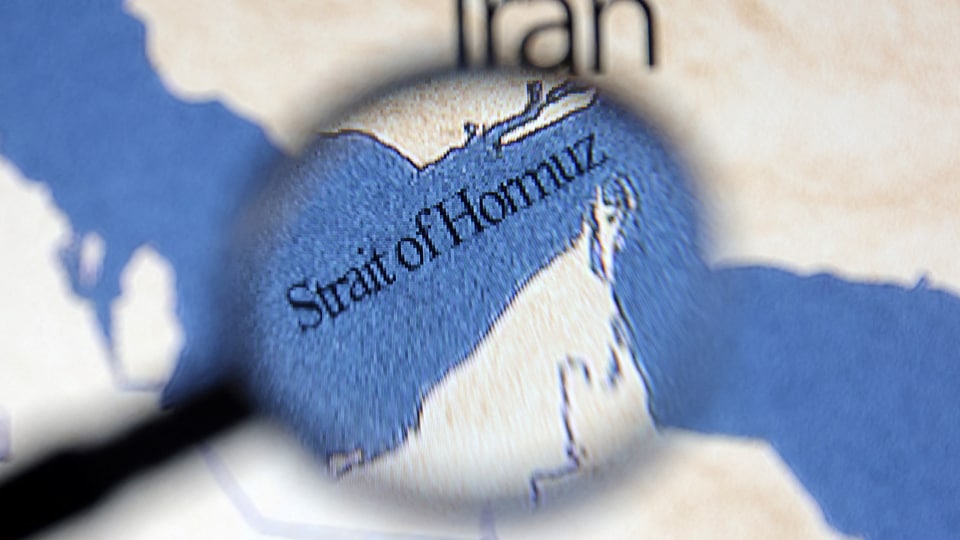
The strait, located between Iran and its Gulf Arab neighbours, is also used by India for about 40 per cent of its supplies sourced from Middle East nations such as Iraq, Saudi Arabia, the United Arab Emirates, and Kuwait.
Facilitating the supply of about a fifth of the world’s oil is supplied daily, will the Strait of Hormuz closure deeply impact India?
Impact on India's crude imports
In total, India imports 5.5 million barrels per day (bpd) of crude oil, of which about 2 million bpd is sourced through the Strait of Hormuz.
While some experts believe that the closure of the passage will impact oil markets significantly, there is less likelihood of a big hit to India.
This is because both Qatar, India's principal gas supplier, and Russia, from where India gets a significant portion of oil, do not use the Strait of Hormuz. The Russian oil uses either the Suez Canal, Cape of Good Hope, or the Pacific Ocean for its passage, and.
Besides, India's other sources for LNG supply are in Australia, Russia and the US.
However, India's crude oil imports from Iraq, and to an extent from Saudi Arabia may get impacted, as both countries use the Strait of Hormuz for its exports.
What is Strait of Hormuz?
Amid its conflict with Israel to which the US is now a party, Iran is weighing in on several options to send a message, and gain control amid escalating tensions.
One of these options is the closure of the Strait of Hormuz, a significant passage that facilitating the supply of about a fifth of the world’s oil is supplied daily.
"A variety of options are available to Iran," Iranian foreign minister Seyed Abbas Araghchi had said when asked about the closure after the US strikes on Iranian nuclear facilities.
However, even a brief closure of this passage would not just impact other exports from countries like Saudi Arabia, the UAE, Kuwait and Qatar, but Iran too. Besides, China, a key ally to Iran, is the biggest importer of Iranian oil.
However, reports have suggested that the Iranian parliament has given a nod to close the Strait of Hormuz, a move the US has termed "economic suicide".


