
 E-Paper



Why Sundar Pichai thinks companies should not ‘reward employees' outcomes’
Sundar Pichai said that he is very excited about the multimodal nature of Google’s large language model Gemini.

 Prefer HTon Google


Google CEO Sundar Pichai stressed on the importance of the transformative potential of Artificial Intelligence (AI) technology. In a recent talk at Stanford, the Google boss talked about how he aims to foster a culture of risk-taking and innovation at the company. He said that staying ahead of startups which are trying to disrupt Google’s businesses is an ever-present concern.
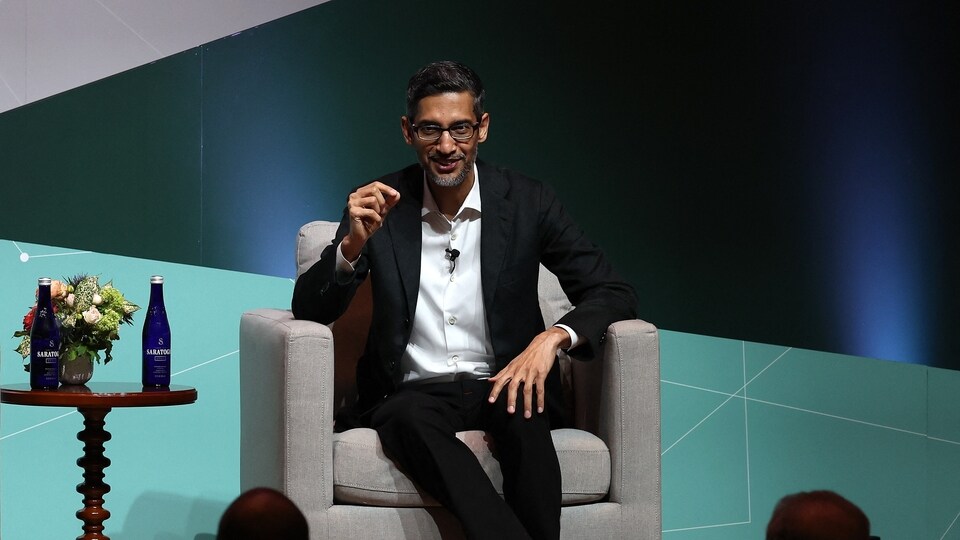
He said, “Honestly, it’s a question which has always kept me up at night through the years. You’re always susceptible to someone in a garage with a better idea.”
Read more: World's largest renewable energy park- 5 times bigger than Paris- now in India. There's a Gautam Adani connection
Sundar Pichai on how he manages Google
Google CEO also said that maintaining an entrepreneurial mindset at a company of over 180,000 employees is not easy which is why there is a constant need to encourage ambitious risk-taking initiatives and reward effort.
He said, “It’s easy to think you should reward outcomes. But then people start gaming it, right? People take conservative things in which you will get a good outcome.”
Read more: Zomato share price rises for sixth straight session to a record high. Here's why
What Sundar Pichai said on Google Glass
Pointing to Google Glass as an example of the company’s willingness to experiment, he said, “We recently said, we went back to a notion we had in early Google of Google Labs…How can you put out something in the easy way, the lighter weight way? How do you allow people to prototype more easily internally and get it out to people?”
What is Sundar Pichai most excited about
Read more: New iPhone update suggests Palestinian flag emoji when you type in ‘Jerusalem’: What Apple said on ‘bug’
Sundar Pichai said that he is very excited about the multimodal nature of Google’s large language model Gemini. He said, “The ability to process huge amounts of information in any type of modality on the input side and give it on the output side, I think it’s mind blowing."
He added, “Where today you’re using the LLMs as just an information-seeking thing, but chaining them together in a way that you can kind of tackle workflows, that’s going to be extraordinarily powerful.”


