
 E-Paper



117 hours in traffic? 95% in Bengaluru open to public transport with better last-mile access
Bengaluru's 'Namma Mobility Blueprint 2030' shows 95% of vehicle users are open to public transport with better last-mile connectivity.

 Prefer HTon Google


A vast majority of Bengaluru's private vehicle users, nearly 95%, are open to adopting public transport if last-mile connectivity issues are adequately addressed, according to a recent survey by ride-hailing platform Namma Yatri.
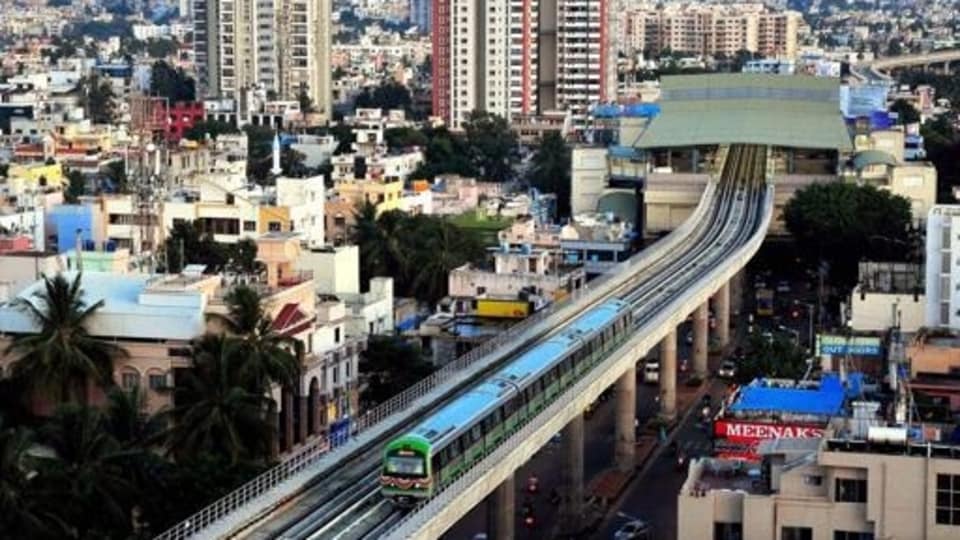
The findings were released on Friday in a white paper titled ‘MadeForBLR: Namma Mobility Blueprint 2030’, which lays out a comprehensive 10-point agenda aimed at transforming the city’s mobility ecosystem by the end of this decade, Deccan Herald reported.
(Also read: Bengaluru techie’s 25 kms commute nightmare: ‘Everyone’s angry, sweaty, and silently screaming’)
The blueprint sets ambitious targets: boosting the city’s public transport share to 70%, halving average commute time and vehicular emissions, and significantly enhancing first- and last-mile connectivity.
“At present, the average commuter in Bengaluru spends nearly 117 hours annually stuck in traffic. This number needs to be cut by at least 50% by 2030,” the report stated according to DH.
To build its vision, the document draws from the successes of five international cities, Amsterdam, Singapore, Helsinki, Tokyo, and Shanghai, that have each overcome serious mobility hurdles.
What are the key survey insights:
53% of respondents want better connectivity between home and metro stations.
49% highlight the need for improved crowd management and commuter comfort.
48% prefer fewer mode switches during transit.
38% seek reduced wait times.
39% want clearer travel routes and schedule information.
The blueprint outlines a 10-point agenda to overhaul Bengaluru’s mobility system by 2030. It calls for a citizen-driven movement promoting sustainable transport choices and urges active collaboration with employers and business parks to encourage greener commute options. Strengthening infrastructure for walking and cycling is highlighted alongside a push for excellence in public transport systems. The plan also advocates for a supportive regulatory framework to enable innovative mobility solutions, adoption of sustainable transportation technologies, and the development of open data systems to support real-time commuter information.
(Also Read: Bengaluru’s lost lakes to get ₹50 crore makeover with pathways, fencing, and more at 24 sites)


