
 E-Paper



Bengaluru’s Hosur Road sees 10% dip in traffic after Yellow Line begins operations: Report
The metro connects southern areas to Electronic City, boosting ridership to over 10 lakh daily.

 Prefer HTon Google


Traffic congestion on Bengaluru's Hosur Road has eased significantly since the launch of the Bengaluru Metro’s Yellow Line. Data showed a 10% drop in congestion levels along the busy corridor within days of operations beginning on August 10.
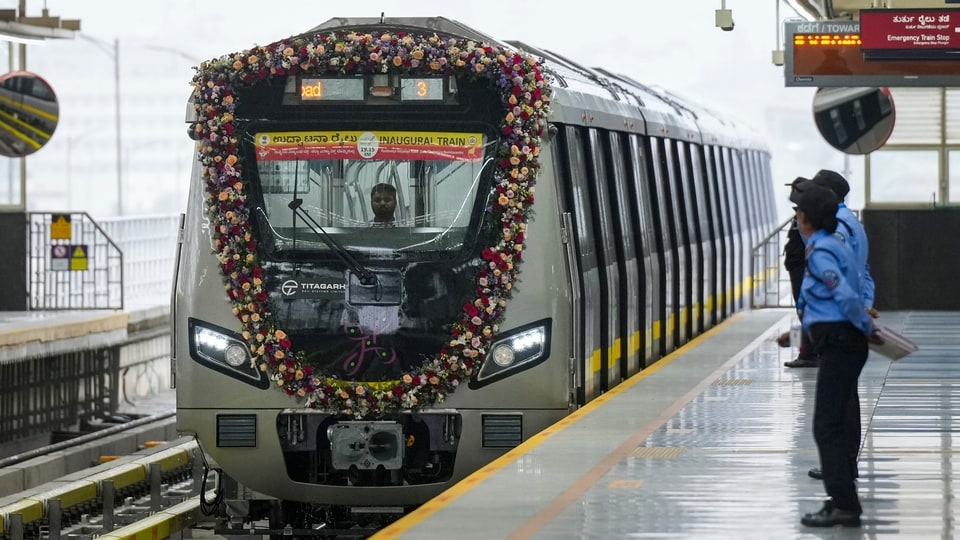
The 19-km Yellow Line, inaugurated by Prime Minister Narendra Modi, connects RV Road with Bommasandra. The line, which extends the Namma Metro network to 96 km, is seen as a critical lifeline linking southern residential zones to Electronic City’s IT and manufacturing hubs. Importantly, it also provides relief at the Silk Board Junction—one of Bengaluru’s most gridlocked traffic points.
Also Read - Bengaluru sees spike in viral infections among children, elderly as monsoon sets in
According to a report in The Indian Express , just a day after services began, congestion on Hosur Road had reduced by 11.5 km compared to average Mondays. The most dramatic improvement came during evening peak hours (4 pm to 9 pm), when traffic density dropped by 32% (21 km). By the next day, August 12, the effect extended into morning rush hours too, with congestion between 7 am and 11 am falling by 22% (7 km) compared to usual Tuesday levels. Officials attribute the trend to more office-goers shifting to metro travel.
Spike in metro ridership
The new corridor has also given a strong push to Namma Metro’s ridership. Daily footfalls have surged from eight lakh to over 10 lakh, with more than 50,000 commuters using the Yellow Line alone. However, limited frequency remains a concern. Currently, only three trains are running at 25-minute intervals, leading to overcrowded coaches and long queues at key stations such as RV Road, Electronic City, and Infosys Konnappana Agrahara.
Also Read - Dharmasthala’s Veerendra Heggade rejects allegations, supports SIT probe into Soujanya case: Report
To manage the swelling crowds, Bengaluru Metro Rail Corporation Limited (BMRCL) has reportedly deployed additional security staff at these stations. Officials said plans are being drawn up to gradually increase the number of trains and reduce waiting times, ensuring smoother travel as more commuters shift from road to rail.


