E-Paper



Draft policy proposes parole for jailed Maoists in Madhya Pradesh
Inspector general (anti-Maoist operations) Sajid Farid Shapu said seven Maoists carrying rewards on their heads have surrendered in other states in the absence of a policy

 Prefer HTon Google


BHOPAL: Madhya Pradesh is formulating a policy for relief, rehabilitation, and surrender of Left-wing insurgents that includes a provision for one-year parole for jailed Maoists, who provide information for wiping out rebels from a particular region. The policy has been drafted amid an increase in Maoist activity, especially in Mandla, Dindori, and Balaghat bordering Maharashtra and Chhattisgarh.
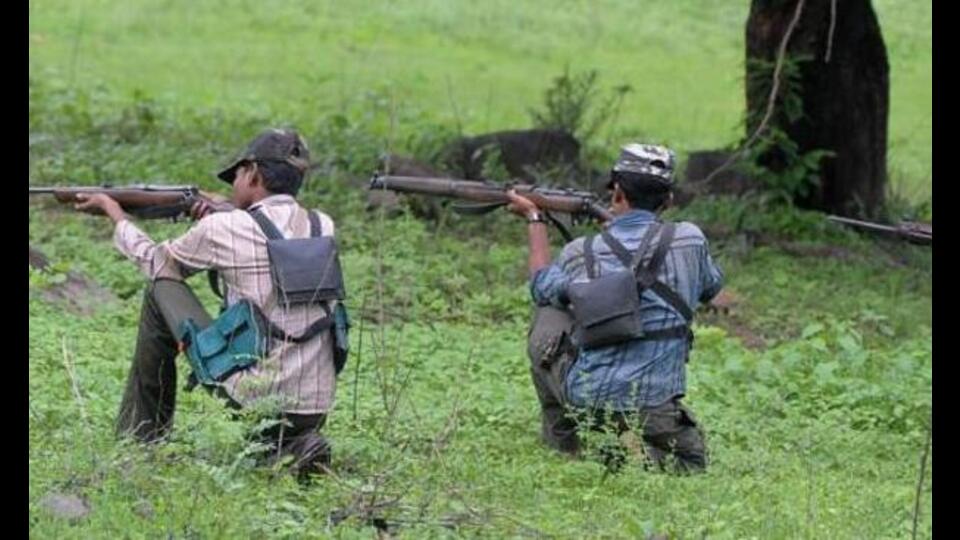
A home department officer, who did not wish to be named, said the parole provision is not in Maoist surrender policies of Left-wing insurgency-hit states such as Chhattisgarh, Odisha, Jharkhand, and Maharashtra. He added the draft of the policy will soon be presented before the Cabinet for approval.
“A first of its kind provision will give chance to convicted Maoist to get parole of one year by sharing information regarding top Maoist leaders, their movement, their diversification plans, sources of finance and arms that can help the forces to eliminate rebels from a particular area,” says the draft, a copy of which HT has seen.
The state government has powers to grant parole to convicts and a home secretary-led committee decides such applications.
The policy says the district and state-level committees will be formed to decide whether a Maoist is eligible for surrender or not. “The surrendered Maoists will get ₹5 lakh or money equivalent to reward on their arrest, whichever is higher, and also ₹6,000 monthly for 36 months for professional training to restart their lives. Unmarried Maoists will get ₹25,000 for weddings. They will get health insurance under Ayushman Bharat Scheme, a house under Pradhan Mantri Awas Scheme, and a ration under food security scheme,” the draft policy says.
The surrendered Maoists can be inducted into the intelligence wing of the state police. “If they share some important information related to Maoists or help the police eliminate them, superintendents of police can recommend names for the posts of constable,” the policy says.
The families of people Maoists kill will be eligible to ₹5 lakh compensation while those of security personnel killed in anti-Maoist operations ₹20 lakh.
Inspector general (anti-Maoist operations) Sajid Farid Shapu said seven Maoists carrying rewards on their heads have surrendered in other states over the last year in the absence of any policy in Madhya Pradesh. “So, we have decided to introduce the policy, which has been drafted to give a second chance to Maoists including convicted ones.”
Former Madhya Pradesh advocate general Ravi Nandan Dubey called the parole provision a great step towards reforming convicted Maoists. “But the state government should make strict eligibility criteria.”
Former police officer R K Vij, who headed anti-Maoist operations in Chhattisgarh, said police try to get as much as possible information after the arrest of a Maoist. “Conviction of Maoists takes a long time. Maoists change their base and strategy very fast. So, it would be difficult to get a major breakthrough from convicted Maoists.”
Vij added there were not any top Maoist leaders in Madhya Pradesh either. “Therefore, only lower cadre might surrender. Top leaders are mostly from Maharashtra, Telangana, and Andhra Pradesh.”
Since 2017, seven incidents of Maoist violence and exchanges of fire have been reported in Madhya Pradesh. Seven Maoists were killed in a gunbattle while a rebel was arrested. Maoists have also killed two people over the last three years, according to police data.