E-Paper



Female cheetah Sasha in MP’s Kuno died of kidney failure, says autopsy report
MP forest officials will soon write to the central government to seek health reports of all seven cheetahs from Namibia to review their health

 Prefer HTon Google


A female Cheetah ‘Shasha’ brought from Namibia to Madhya Pradesh’s Kuno National Park died due to failure of both kidneys, her autopsy report revealed on Tuesday.
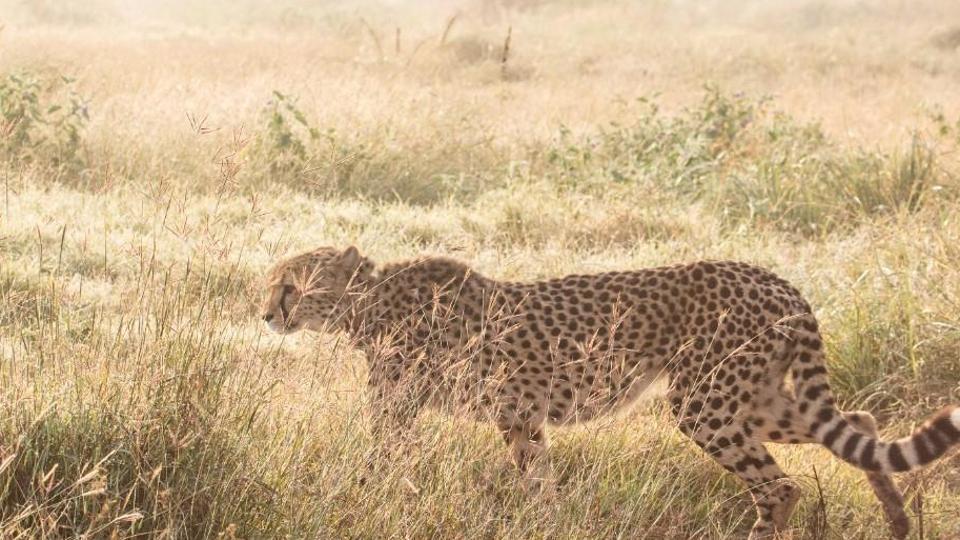
Confirming the findings of the autopsy report of Namibian cheetah Sasha, who died on Monday morning, Madhya Pradesh principal chief conservator of forest (wildlife) JS Chauhan said Sasha was facing renal issues before translocation and she died due to failure of both kidneys.
“She was a compromised animal and shouldn’t be sent to India. Our doctors and experts did their best to save her for two months. Her reports revealed that the Keratin level of kidney was 410MMol/L, which is 34 points above of (safe) limit,” said Chauhan.
Also Read:Female cheetah from Namibia dies in MP’s Kuno Park due to renal infection
MP forest officials will soon write to the central government to seek health reports of all seven cheetahs from Namibia to review their health, Chauhan said.
According to an official, test reports of two remaining captive cheetahs Savanah and Siyaya before translocation will be reviewed but no new tests would be done as it can traumatise the animal.
In a communique, Cheetah Conservation Fund (CCF) said all the wild cats went through several health check-ups.
“Some values were slightly elevated, but no abnormalities were found in ultrasound. Sasha was behaving normal. The health reports were checked by both Namibian and Indian officials before translocation,” reads the communique.
Supporting CCF, former director and chief scientist of cheetah project, YV Jhala said, “Everything was alright before translocation. Kidney failure is a lifestyle disease of cheetahs and there is no need to make an issue of it. We know that mortality due to stress is high among cheetahs and that’s why Indian government is bringing 8-10 cheetahs every year. Sasha got affected due to stress and died. There is no need to think much about it.” Jhala was part of the team that brought cheetahs from Namibia.
Forest officials are now monitoring the health of the remaining 15 cheetahs who are in two types of BOMAs.