
 E-Paper



16 J&K tourist hubs to reopen on June 17, more to follow in phased manner: Lt governor Sinha
Nearly 50 tourist destinations were closed in J&K following the terror attack in Pahalgam on April 22

 Prefer HTon Google


After receiving security clearance from intelligence and law enforcement agencies, the Jammu and Kashmir administration has decided to reopen several tourist destinations across the Union Territory on June 17, which were shut down following the April 22 terror attack in Pahalgam that claimed 26 lives.
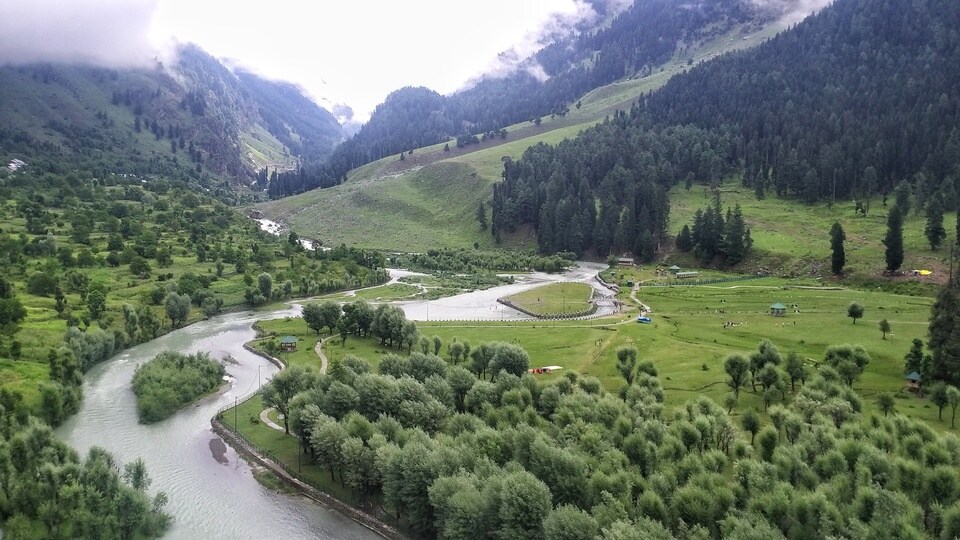
Soon after the attack, the government had closed access to nearly 50 offbeat tourist locations, particularly in Kashmir, citing security concerns. Now, with improved assessments and coordination between divisional commissioners and police officials, eight destinations in Kashmir and several in Jammu have been reopened to tourists, officials said.
Jammu & Kashmir Lt governor Manoj Sinha on Saturday said that eight tourist destinations Betaab Valley, local parks in the Pahalgam, Verinag garden, Kokernag garden, and Achabal Garden in Anantnag district, Badamwari park, Duck park and Taqdeer Park in Srinagar will now be open to visitors. In Jammu, tourist spots like Sarthal, Baggar, Devi Pindi, Sehar Baba Waterfall, sulha park, Gul danda, Jai Valley and Panchari, have also been declared safe for tourism. “Other destinations will also be reopened in a phased manner,” Sinha said, adding that all these 16 tourist places will be reopened on June 17.
“After the April 22 incident, some locations were closed due to precautionary security measures. The divisional commissioners and inspectors general of Kashmir and Jammu have reviewed the ground reports from all districts. Based on those reports, it has been decided to open some places. A committee will assess remaining spots and more destinations will be reopened in the second phase,” he added.
Sinha said that the recent launch of the Vande Bharat train has boosted tourist enthusiasm. “I’ve been informed that tickets for the train are fully booked for the next 10–12 days.”
Officials say tourism is gradually picking up in the region, with the Centre also actively participating in efforts to revive the sector. “Government of India delegations, official committee meetings, and parliamentary group visits being held in Srinagar are also helping restore public confidence and encouraging more tourist footfall,” Sinha said.
Chief minister Omar Abdullah had earlier hinted at a phased reopening of 48 tourist destinations that were closed post-attack.
Following a cabinet meeting held in Pahalgam earlier this month, he had announced that each location would be reviewed, with schools and colleges being encouraged to take students on picnics to promote domestic tourism and confidence.
Among the destinations closed after the attack were Doodhpathri and Yousmarg in central Kashmir, Bungus valley in north Kashmir, and Daksum and Sinthan Top in south Kashmir. These, along with various meadows, trekking routes, and hill parks, may be reopened after further security assessments.


