
 E-Paper



Carpooling: Chandigarh admn junks draft policy, to adopt Centre’s guidelines
The policy envisaged that people share vehicles when going to a common destination. Dedicated mobile apps were to be developed; driver’s antecedents were also to be verified

 Prefer HTon Google


The Chandigarh administration has junked its draft carpooling policy and would implement the central guidelines on the issue. The ministry guidelines for carpooling by private vehicles through cab aggregators were issued in November 2020.
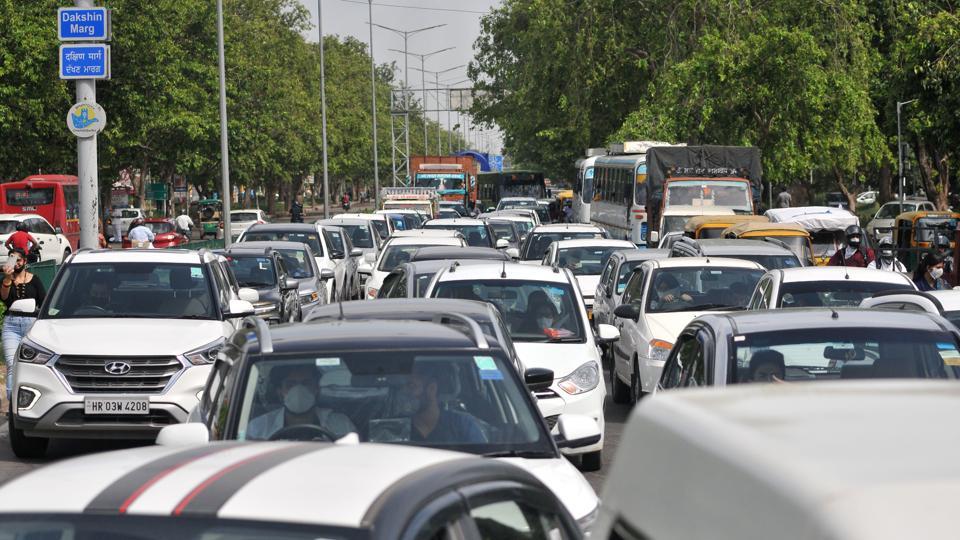
The city has the highest density of vehicle in the country and battles traffic congestion. The draft policy, now junked, aimed to encourage and regulate carpooling.
The policy envisaged that people share vehicles when going to a common destination. Dedicated mobile apps were to be developed to ensure security, registration of vehicles for the service, registration of users and real-time tracking of vehicles. The policy also included mandatory police verification of the driver’s antecedents.
The Standing Committee on Transport of the administrator’s Advisory Council has been informed that the UT transport department had prepared a draft carpooling was prepared, but not notified.
“The committee was told that the administration would go by the ministry of Road Transport and Highways (MoRTH) guidelines on carpooling,” said a senior UT official privy to the development.
The issue of carpooling was raised in the committee for ensuing better last-mile connectivity.
The development of the mobile app, to be outsourced, was to be regulated by the state transport authority. It was to be designed on the lines of available mobile-enabled taxi services or aggregators.
The administration had formulated the draft policy on directions of the Niti Aayog.
What are the guidelines
In November last year, the Union ministry had issued guidelines, ‘Motor Vehicle Aggregators Guidelines 2020’. The guidelines deal primarily with the regulatory framework for ride hailing apps like Uber, Ola and others.
Under the guidelines, the ministry has allowed private car owners to offer pooling services. The guidelines state, “For reducing traffic congestion and pollution, non-transport vehicle pooling may be provided by aggregators.” The option for carpooling through private vehicles can be in-built in the aggregator’s hailing app.
According to these guidelines, a maximum of four ride-sharing intra-city rides in a day and two inter-city trips per week are to be permitted for each vehicle with the driver, integrated with the aggregator.
The integrated vehicle will have to obtain an insurance of at least ₹5 lakh for the ride-sharers, other than the owner or driver integrated with the aggregator, the guidelines added.
Under the UT’s draft policy, however, carpooling was not to be a commercial enterprise. Commuters were to charged only the cost and no pick-up of commuters was to be allowed from bus stops, bus stand, or taxi stands.
The aim was that people going from one location to another should share the vehicle rather than opt for individual cars. Hence, no soliciting of passengers was to be allowed on road.


