
 E-Paper



Chandigarh admn shifts gears, removes cap on non-EVs
UT administrator says the Chandigarh administration will instead focus on strengthening the EV ecosystem by prioritising public charging infrastructure and incentives

 Prefer HTon Google


Caving in to pressure from various quarters, the UT administration on Thursday removed the cap on registration of all non-electric vehicles, a major feature of its ambitious Electric Vehicle (EV) Policy.
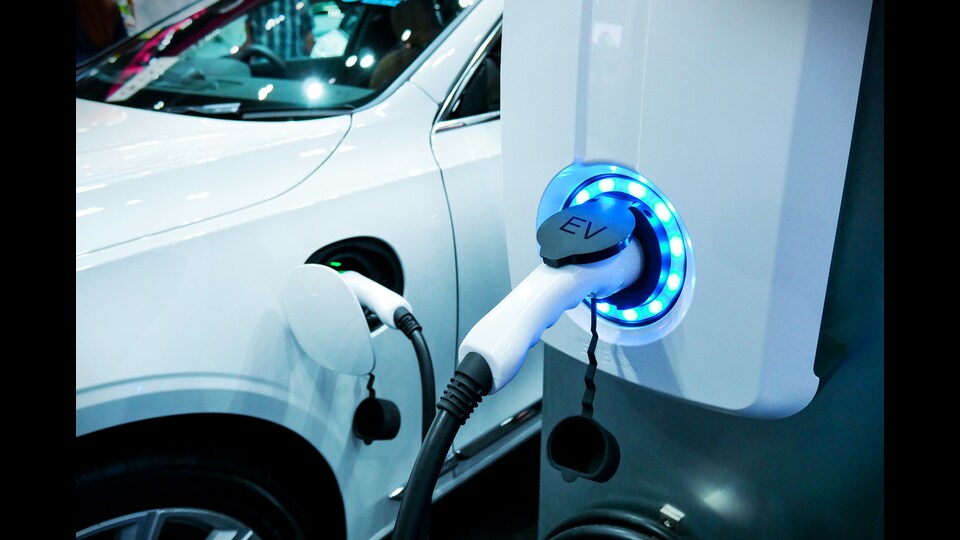
UT had rolled out the five-year policy in September 2022, with plans to gradually stop registering fuel-run vehicles to dissuade people from buying vehicles that cause pollution. This was part of its larger plan to make Chandigarh a “Model EV City” by achieving one of the highest penetrations of zero-emission vehicles by 2027.
But amid sharp criticism from automobile dealers and buyers, UT was forced to revise the cap on non-electric vehicles thrice this year — on July 3, October 18 and November 8.
The policy was once again reviewed during a meeting on Thursday, where UT administrator Banwarilal Purohit decided to completely remove the cap, a relentless demand by stakeholders.
Under fire from all quarters
In a fresh petition before the Punjab and Haryana high court earlier this month, the Federation of Chandigarh Region Automobile Dealers had sought quashing of the policy and changes effected from time to time. The body had contended that more than 50% vehicles that come to Chandigarh were from outside, mostly from neighbouring states, and further there was no such ban or cap in adjoining areas of Mohali and Panchkula.
Just three days ago, in her first comment on the EV Policy, Chandigarh member of Parliament (MP) Kirron Kher had condemned the manner in which it was being implemented, stating that in a democracy, people cannot be forced to buy something. Mayor Anup Gupta, too, had been vehemently terming the policy “anti-citizen” and pushing for removal of cap on non-electric vehicles.
Former Chandigarh MP Pawan Kumar Bansal had also asked the administration to adopt a holistic and people-friendly approach, while considering the inadequate number of charging points in the city and the high cost of EVs.
Notably, till November 19, only 7.14% of the total two-wheelers registered in the city were electric. Similarly, the proportion of electric/hybrid four-wheelers registered is only 3.20%. But even those choosing EVs over cheaper fuel-run counterparts are forced to rely on home electricity for charging needs with no functional public charging stations in the city.
‘Eye on robust EV ecosystem’
The administrator said the administration had unanimously decided to strengthen the EV Policy by building an EV ecosystem. “Recognising the pivotal role of a robust charging infrastructure to push EV adoption, the administration has decided to take steps to expedite establishment of charging stations, ensuring operational efficiency to instil public confidence in battery-operated vehicles. Aggressive promotion of cash incentives for EV buyers will also be a priority. The process will be streamlined for consumer convenience, minimising paperwork to encourage voluntary adoption of EVs,” he said.
To combat pollution, an accelerated Source Apportionment Study will be conducted by IIT Kanpur or IIT Ropar within six months to identify pollution sources. The findings will be incorporated in the EV Policy amendments.
The administration will also comprehensively review the early bird incentive/general incentive.
With regard to hybrid vehicles, the administration has decided that road tax rebate in the strong hybrid category will be targeted specifically for vehicles below ₹20 lakh. A 50% road tax rebate will be granted accordingly, whereas earlier, the tax was completely waived on hybrid vehicles.
Electric Vehicle Policy: UT admn’s back and forth
September 20, 2022: UT administration rolls out Electric Vehicle Policy, enforcing annual cap on registration of fuel-based vehicles during the five-year policy period
February 10, 2023: As the permitted number of registrations in the financial year gets over, UT stops registering fuel-based two-wheelers till March 31, 2023
June: For 2023-24, UT decides to stop registration of non-electric two-wheelers after achieving the target of 6,202
July 3: After facing criticism for stringent capping from various stakeholders, administration relaxes target substantially, taking it to 12,076
October 6: UT bans registration of fuel-based two-wheelers after exhaustion of revised quota
October 18: Receiving backlash from affected parties, administration amends the policy once again, taking up the number of permitted non-electric two-wheelers from 12,076 to 13,685 — opening 1,609 more registration slots
October 29: Administration stops registration of two-wheelers running on internal combustion engines (ICE) until end of financial year after amended target is achieved
November 8: In view of the festive season, UT administrator allows limitless registration of non-electric vehicles till Gurpurb on November 27
November 23: UT administrator completely removes cap on registration of all non-electric vehicles.


