
 E-Paper



Chandigarh: Women should rule out GDM before pregnancy, say experts at PGIMER CME
Dr Anuj Maheshwari, president of Research Society for the Study of Diabetes in India, explained GDM referred to the onset of diabetes during pregnancy

 Prefer HTon Google


Indian women are considered at high risk for Gestational Diabetes Mellitus (GDM), therefore its assessment before family planning is important, emphasised experts at a Continuing Medical Education (CME) on Gestational Diabetics at PGIMER, organised by the Research Society for the Study of Diabetes in India (RSSDI) on Friday.
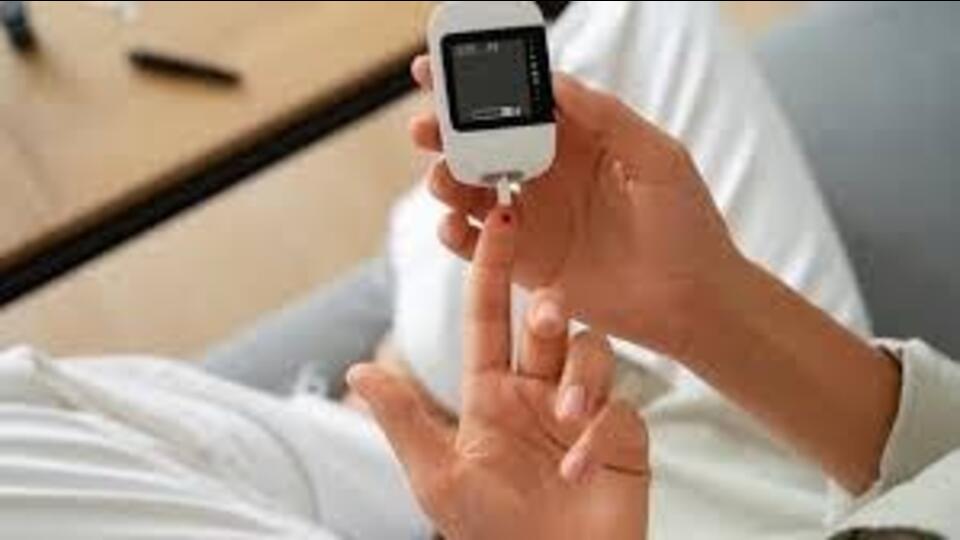
Dr Anuj Maheshwari, president of RSSDI, explained GDM referred to the onset of diabetes during pregnancy for the very first time. “During pregnancy, the body resists insulin, which is good to some extent as insulin resistance helps in the baby’s body formation. However when insulin resistance becomes overworked, a woman’s body is not able to handle it. GDM can cause macrosomia, a condition in which the baby becomes overweight (weight is more than 4 kg). Due to the mother’s condition, the child also becomes more prone to diabetes,” Dr Anuj added.
“Out of all pregnant women in India, 13% are affected by GDM. Due to genetic causes, the risk of GDM is 11% higher in Indian women compared globally, therefore pre-screening becomes more important,” added Dr Maheshwari.
Before planning pregnancy, women can consult their physician for the risk assessment of GDM. Women having obesity, family history of diabetes or cardiovascular diseases are at greater risk of developing gestational diabetes. The onset of GDM is seen from 24 to 28 weeks of pregnancy and the screening for it is also done during this time.
“The symptoms of GDM are not very noticeable, making the screening more important,” said diabetologist Dr Rakesh from CKS Hospital, Jaipur.
Dr Sanjay Kumar Bhadada, head of endocrinology department, PGIMER, mentioned, “Since multidisciplinary team is required to treat GDM, the purpose of the CME was to bring together endocrinologists, gynaecologists, obstetricians and other medical professionals on one platform.”
“The endocrinology OPD at PGIMER examines around 1,200 patients daily, out of which approximately 2-3% have GDM,” added Dr Bhadada.
Dr Rakesh further highlighted that artificial intelligence can prove effective in treating GDM in future, especially in the assessment process.


