
 E-Paper



Chandigarh’s drainage not designed to tackle such downpour
The stormwater discharge from Sectors 1 to 4, 9 to 17, 23 to 25, 35 to 37, and 40 to 43 flows into the choe

 Prefer HTon Google


Over the past two days intensity of the rain has been very high in the city, recorded at 300 mm, causing water logging at multiple locations. The drainage system of sectors above 30 are designed to handle only 15 mm of rain per hour, while in the sectors below 30, the drainage system can handle 25 mm of rain per hour. This is why it takes longer for the water to recede during heavy downpours. The city’s drainage system is not equipped to handle heavy rains which is partly responsible for the frequent waterlogging. Whenever the rainfall reaches 40 mm to 60 mm per hour, the low-lying areas of the city get flooded, and water accumulates on the roads.
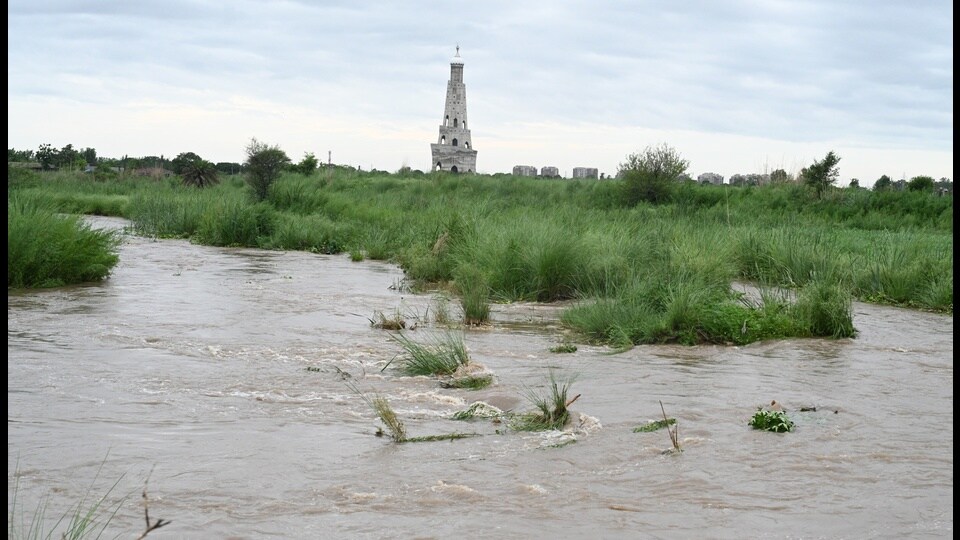
The waterlogging in Chandigarh was due to a faulty drainage system, as most of the stormwater pipes that discharge into the natural choe are at a very low level. It was discovered that the choe had not been levelled enough to allow the stormwater to flow without encountering any blockages. The stormwater discharge from Sectors 1 to 4, 9 to 17, 23 to 25, 35 to 37, and 40 to 43 flows into the choe. It was found that the N-choe passing through Rose Garden, and Sectors 16 and 23 was blocked. As a result, most of the stormwater pipes were overflowing, causing water to accumulate on the roads and even enter several houses.
CB Ojha, the chief engineer of UT, stated that there was no need to desilt the natural choe, but it had been cleaned a few days ago. He explained that since it is a natural choe with limited capacity, there is a limit to what can be done.
Another officer from the municipal corporation (MC) mentioned that the storm drainage pipes, especially in the southern sectors, need to be cleaned as water logging problems were more prevalent in those areas. The levels of all three rivulets—Sukhna Choe in the east, Patiala-ki-Rao Choe in the west, and the central part with the two minor streams, Natural Choe and Nalla (starting in Sector 29)—need to be lowered.
A former MC chief engineer, Puranjit Singh, stated that every year, before the rainy season, the choe should be desilted considering it as the lifeline of the city. He criticised the concerned offices for blaming waterlogging on heavy rain and the small size of stormwater pipes. He further added that the level of most roundabouts is two to three feet higher than the road, leading to water accumulation around them. Dividers on several roads also hinder the natural flow of water, causing inundation at various spots.
Worst affected areas
The areas most affected by waterlogging every year include Madhya Marg, all inner roads of sectors, Industrial Area, near the CTU workshop, Sector 35, near Hotel South End, Chandigarh-Panchkula Road near Housing Board lights, and colony no. 4 and 5. The worst-affected areas, where the water level reaches knee-deep, include the road leading from Attawa village to Sector 35, Sectors 43, 44, and 45, Sector 22, Palsora village, Burail, and Sector 29 (iron market). Roads in some southern sectors remain flooded due to blocked road gullies.


