
 E-Paper



Cotton institute sounds pink bollworm alarm in Punjab, Haryana
Central Institute of Cotton Research has alerted agricultural authorities in Punjab and Haryana after it spotted larvae and pupa of the deadly pink bollworm at several units manufacturing animal feed

 Prefer HTon Google


The Central Institute of Cotton Research (CICR) has alerted the agricultural authorities in Punjab and Haryana after it spotted larvae and pupa of the deadly pink bollworm at several small-scale units engaged in manufacturing animal feed.
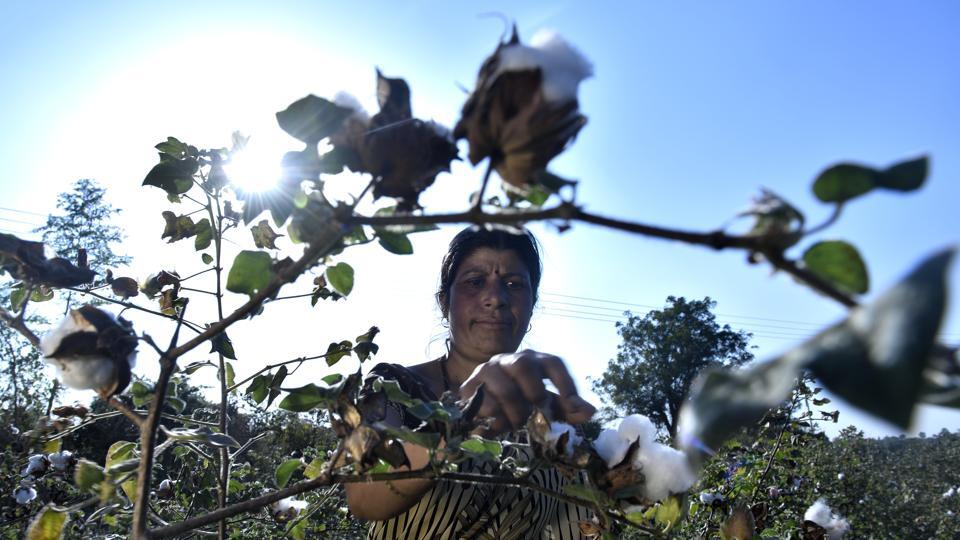
SK Verma, who heads the Sirsa-based regional unit of CICR, said traces of the moth population at the growing stage was detected during random sample collection in the region.
Verma said numerous units in the unorganised sector are sourcing cotton from the pink bollworm-infested states, including Telangana, Karnataka and Maharashtra to extract oil and make animal feed. If not controlled fully in the next 30-40 days, the region may witness large-scale damage to kharif crop for the second consecutive season, he said.
“Once climatic conditions grow conducive, the bollworm pupa from the cotton stocks at these units would become mature and easily reach the fields. The moth survives only on cotton plants and reproduction cycles in the fields would affect the crop severely,” said Verma.
According to Verma, earlier only cotton ginning and large oil extraction units were taken in the loop to clear the leftover stock before cotton sowing begins from mid-April onwards. “Operations of such small scale factories were not in the initial laid down protocols to curb the moth infestation. Field studies suggest the situation is quite serious as the factories are full of hibernating moth population and in the next one month it must be controlled to avoid another infestation cycle,” he said.
In the 2021-22 kharif season, 3.25 lakh hectare area was under cotton cultivation in Punjab and authorities were expecting production of 50 lakh quintals. However, owing to the first-ever devastating attack of the bollworm, crop production was hit by50-100% across villages in all seven cotton-growing districts, including Bathinda, Mansa, Fazilka and Muktsar. Till February 28, a total of 19.44 lakh quintals was sold in different districts.
Agriculture director, Punjab, Gurvinder Singh said that as per the latest alert, the department would issue new guidelines in the next three to four days to monitor cattle feed units. He said the crucial pest management exercise in pre-sowing phase has been expedited and farmers have been made aware of measures to prevent bollworm attack.
“Ginning factories have been told to end operations by March 20 and sanitise their premise after complete destruction of crop residue. District teams have been instructed to transport the cotton residue, used traditionally as firewood, to brick kilns and ensure the leftover cotton bolls are crushed to eliminate moth pupa and larvae. Status reports from the district would be compiled by March 15,” said the director.
The Punjab government has also planned to discourage staggered sowing and ensure that farmers complete the cotton sowing by May 15. “Coordinated efforts will be made to ensure sowing starts from April 15 and is completed within a month. Delayed sowing is more susceptible to bollworm attack,” said Gurvinder Singh.


