
 E-Paper



Freehold commercial properties may soon become reality in Chandigarh
The local administration has decided to seek approval from the central government for a conversion policy, a long-pending demand of the business and industrial community

 Prefer HTon Google


Paving the way to allow leasehold-to-freehold conversion of commercial and industrial properties, the UT administration has decided to seek approval from the central government for a policy in this regard.
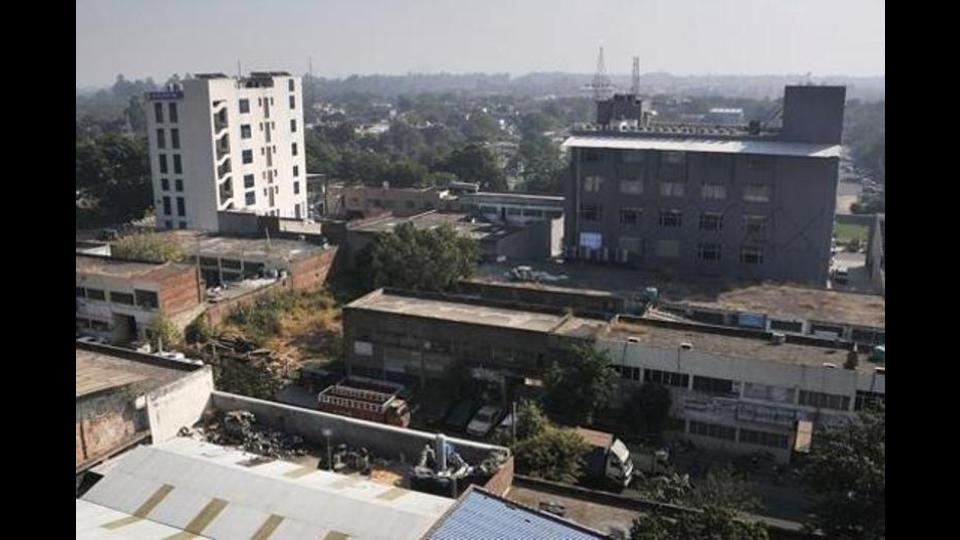
Nearly 70% commercial and industrial plots in the city are leasehold, allowing occupation for a limited period, mostly 99 years. Ownership rights in this case are with the government agencies like the UT Estate Office, municipal corporation and Chandigarh Housing Board. On the other hand, freehold status gives the owner complete rights of the property.
More than 5,000 lessees stand to get ownership rights if the administration’s decision is approved by the central government. A policy for residential properties is already in place in the city since the conversion rates were fixed in 2017.
Confirming UT’s decision, adviser Manoj Parida said, “We will be seeking in-principle approval of the Union ministry of home affairs for allowing leasehold-to- freehold conversion of commercial properties. Once the approval is granted, we will be formulating a policy detailing the rates of conversion and other conditions.”
The UT administrator’s approval is awaited before the proposal letter is sent to the ministry.
Long-standing demand
The city’s business and industrial community has been for long demanding the right to own properties to facilitate expansion and loans.
The Chandigarh Industrial Policy has also promised allowing conversion of industrial plots from leasehold to freehold to promote ease of doing business in the city.
The demand had recently got fresh impetus with the Administration’s Advisory Council favouring the conversion of leasehold properties, an idea repeatedly supported by MP Kirron Kher.
Earlier in February, the council’s Standing Committee on Urban Infrastructure had also favoured the proposal. “The demand for a conversion policy has also found strong support in the municipal corporation, where the General House has already passed a resolution demanding a policy for its properties. Similar demands have been made by the UT Estate Office and CHB,” said a UT official, privy to development.
Stagnating realty market
In the absence of the conversion policy, MC, UT and CHB have been losing out on revenue, as there are few takers for leasehold properties.
For instance, in 2019, CHB and the Estate Office failed to auction even a single leasehold property. While the freehold plots generated sizable revenue through auction, commercial properties on lease didn’t attract any bidder. Similarly, MC has failed to sell any of its properties despite multiple auctions.
“Chandigarh trails behind Mohali and Panchkula on this account. While the satellite towns have freehold properties aplenty, a lot of properties in Chandigarh are stuck due to leasehold status. Lack of ownership rights has also created artificial stagnation in the market and impinged on business growth in the city,” said the official.


