
 E-Paper



How a section of Punjab farmers is reaping benefits of mixing paddy stubble in soil
Based on its experience of years, a section of Punjab farmers says by investing about ₹1,500 per acre on hired implements and labour to mix the residue in the fields, cultivators can earn the long-term benefit of enhanced land fertility


At a time when a large number of farmers in Punjab are setting paddy residue ablaze, a section of peasants is successfully reaping an additional yield of 1.5-2 quintals of wheat per acre by mixing the entire stubble stock in the soil.
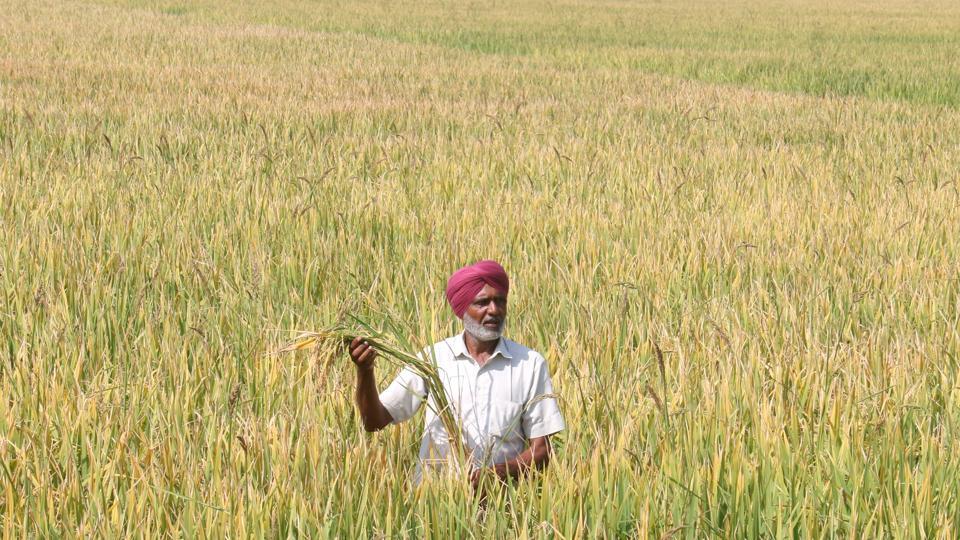
Based on their experience of years, these cultivators say by investing about ₹1,500 per acre on hired implements and labour to mix the residue in the fields, farmers can earn the long-term benefit of enhanced land fertility.
Farmers can see an increase in production after a gap of two years and yield also gets improved every year thereafter, they say.
Agricultural experts say this method is better than making bales of straws for biofuel. Also, with in-situ mixing of residues, farmers can enrich soil with micronutrients in a natural manner, they add.
‘Haven’t burnt stubble since 2016’
A 42-year-old farmer from Bulle village in Ferozepur, Gursahib Singh, says he and his family own 13 acres of land and they have not burnt stubble since 2016.
“We have harvested up to 26 quintals of wheat that was about two quintals more than average yield. In the last rabi season, the average yield dropped to 22 quintals due to an exceptional surge in the temperature. But even in the worse conditions during wheat harvest in April this year, the yield was higher than those who burn paddy residue in fields,” Gursahib says.
Progressive farmer Baldev Singh from Bajak village in Bathinda owns 30 acres of land where he cultivates various kharif and rabi crops.
“Spending about ₹1,500 per acre is not a loss-making investment as enhanced productivity of grains and improved soil health come as a bonus,” he says as he shows his fields that are in the advanced stage of harvesting of rice varieties.
“Farm fires further impact common wildlife that is helpful to farmers in controlling the population of rats. Trend of setting fields ablaze after harvesting eliminates colonies of jackals, partridges, parrots, snakes and other species and is another blow to ecology. By mixing paddy stubble in soil, the dependence on synthetic nutrients decreases which leads to an overall reduction in input cost,” adds Baldev.
Muktsar chief agriculture officer Gurpreet Singh says a sizeable part of micronutrients used to cultivate rice remain in the crop’s organic waste and to burn it means a direct financial loss of about ₹9,000 per acre.
“Studies show the residue retains the key nutrients like nitrogen and phosphorus (25%); sulphur (50%) and potash (75%) of the total amount of farm chemicals used in an acre of area under paddy cultivation. After spending about ₹2,000 on mixing the residue in the soil, a farmer can use eco-friendly essential nutrients,” adds the official.


