
 E-Paper



Ludhiana: Government experts flag ‘high metal density’ in Buddha Nullah waters
Punjab Biotechnology Incubator report says Buddha Nullah water is unfit for bathing as it has coliform levels of 1.72 crore against a prescribed 500

 Prefer HTon Google


A report by the Punjab Biotechnology Incubator (PBTI) has flagged high metal density in the Buddha Nullah waters.
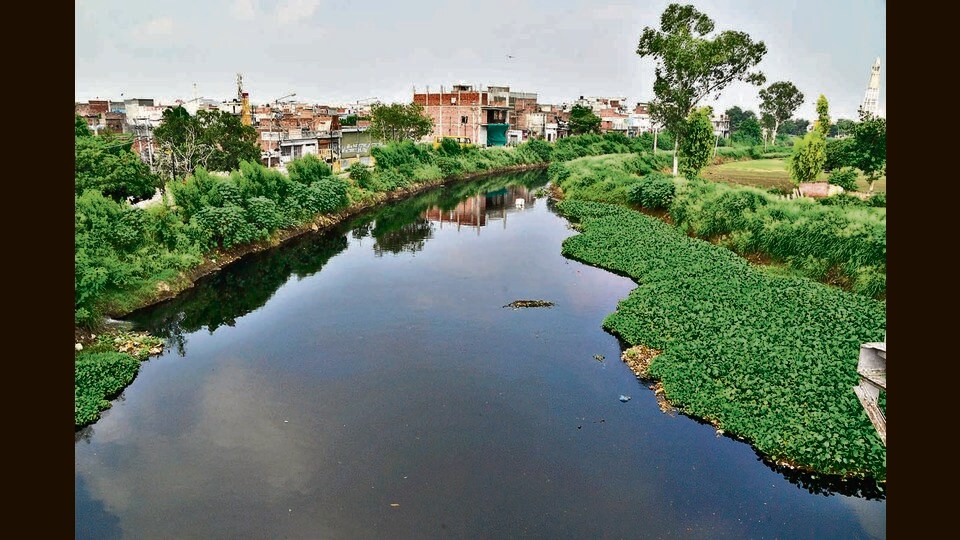
The report, submitted to the deputy commissioner’s office, says that the waters have coliform level of 1.72 crore. For river water to be fit for bathing, the prescribed level of coliform is 500.
HT has accessed a copy of the report.
The samples which the report is based on were collected from multiple locations in the nullah when the dyeing industries were operational.
On August 6 and August 9, the deputy commissioner had ordered sampling at several locations of Buddha Nullah.
On August 6, the dyeing industries were operational and at the time of sampling on August 9, dyeing industries had been shut for around 36 hours.
After the submission of the report, DC Sakshi Sawhney on Monday conducted a meeting.
She said, “I have instructed officials from multiple departments and experts to conduct comprehensive analysis at every point as each sampling point has a specific catchment area. I have ordered a detailed report to ensure this data is thoroughly examined before drawing conclusions.”
Public Action Committee (PAC) member Jaskirat Singh expressed concern and said, “The report’s findings are shocking. The biological oxygen demand (BOD), which measures the amount of organic waste in water, is 154 mg/l. For a pristine river, this value should be less than one and anything above eight is considered severely polluted. BOD levels were much lower on August 9 when dyeing industries were closed, indicating they contribute to the organic waste. Heavy metals like chromium, nickel and lead are present in most samples, exceeding permissible limits. For instance, chromium levels in one of the samples are ten times the permissible limit.”
PAC is a civil society group.
In May, the National Green Tribunal (NGT) issued a notice to the authorities to submit a status report on action against erring dyeing units. The DC had recently ordered sampling of water from the nullah.
The NGT notice came as it took suo motu cognisance of a report titled, “Ludhiana PPCB report flags 54 dyeing units in Buddha Nullah’s catchment,” published in these columns on April 26, 2024. The report highlighted environmental violations related to industrial pollution in the Buddha Nullah.
A report by the Punjab Pollution Control Board (PPCB), submitted in an earlier case, found that the water in Buddha Nullah was unfit for irrigation due to high levels of BOD and chemical oxygen demand.
Issue raised in state assembly
The issue of Buddha Nullah pollution was raised in the Vidhan Sabha on Monday by Dakha MLA Manpreet Singh Ayali. He said he formally filed a ‘Call to Attention’ motion in the House, which was rejected by the speaker,
Assembly speaker Kultar Singh Sandhwan said that the Vidhan Sabha committee on this issue was working, and it has the same powers as the House. The speaker pointed out that Ayali is a member of the committee.


