
 E-Paper



Ludhiana: OPD closure at civil hospital causes hassle to patients
Although authorities had put up notices at multiple locations in advance about the August 27 closure, patients who came for consultations, tests and follow-up visits faced inconvenience

 Prefer HTon Google


Routine healthcare services at Civil Hospital, Ludhiana, were disrupted on Thursday as outpatient departments (OPDs) remained closed for a day as doctors and health department employees extended support to the Punjab State Ministerial Services Union’s state-wide agitation.
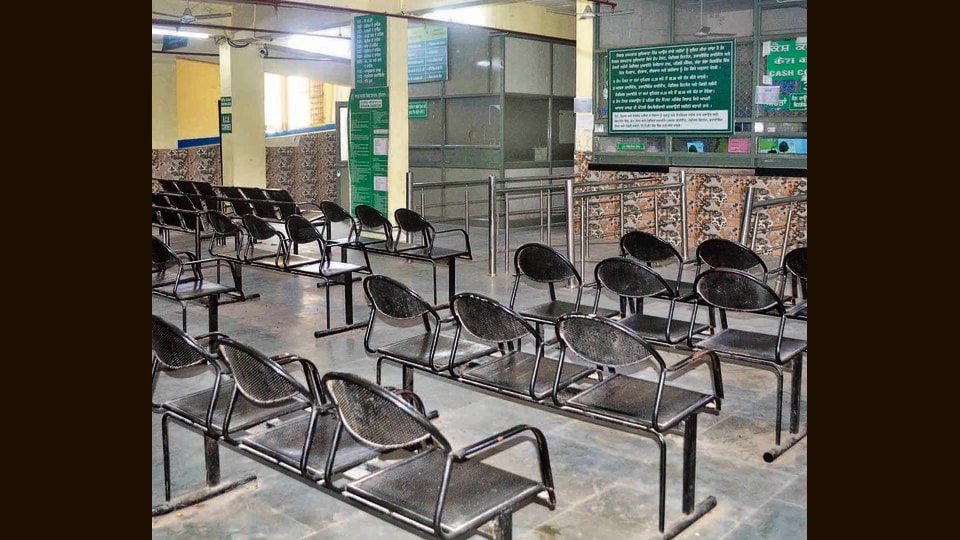
The closure inconvenienced patients seeking routine consultations and follow-up treatment, with some forced to return without consultation.
The hospital normally sees around 1,000 to 1,200 patients a day in its OPDs, while monthly footfall is around 35,000. Although authorities had put up notices at multiple locations in advance about the August 27 closure, patients who came for consultations, tests and follow-up visits faced inconvenience.
Civil surgeon Dr Ramandeep Kaur, district programme officers and health department employees participated in the protest at the hospital. The PCMS Association had announced the one-day closure of OPDs in support of the agitation, saying its cadre had unanimously voted to participate as a mark of solidarity with other employee associations.
The association said employees had long-pending demands, including restoration of the Old Pension Scheme, release of pending DA instalments and arrears, rationalisation of pay commission anomalies and an end to contractual, ad-hoc and outsourced recruitment.
Elective surgeries were also suspended across government health facilities for the day. However, emergency services, labour room, mother-and-child health services, ICU, SNCU, emergency surgeries and indoor admissions continued to function. Medico-legal work, postmortems and judicial medical examinations also remained operational.
The disruption was thus largely confined to routine and elective care, with emergency and critical services continuing as usual.


