
 E-Paper



Ludhiana: Punjab 6th in low coop bank NPAs, MP Arora told in Rajya Sabha
The financial prudence of Punjab’s cooperative banks reflects positively in the total gross NPA amount of ₹5,521.95 lakh, a fraction of the national tally of ₹14,53,742.83 lakh


Punjab has emerged as a strong performer in cooperative banking, ranking sixth nationally in terms of low non-performing assets (NPAs) in cooperative banks as of March 31, 2024.
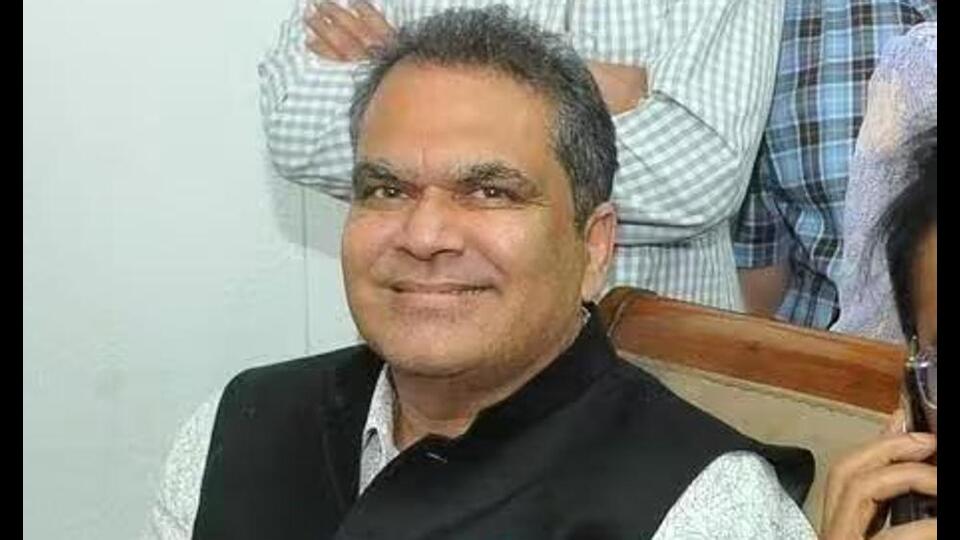
This insight was shared by Union minister of state for finance, Pankaj Chaudhary, in response to a parliamentary query from Ludhiana-based Rajya Sabha MP Sanjeev Arora during the ongoing winter session.
With a gross NPA percentage of 0.91%, Punjab stands well below the national average. Jammu and Kashmir has the highest gross NPA percentage at 55.52%, while Telangana boasts the lowest at 0.08%. Rajasthan has recorded 0.18 %, Andhra Pradesh 0.53%, New Delhi 0.65% and Gujarat has seen 0.68% NPAs.
The financial prudence of Punjab’s cooperative banks reflects positively in the total gross NPA amount of ₹5,521.95 lakh, a fraction of the national tally of ₹14,53,742.83 lakh.
In a statement issued on Friday, Arora emphasised the significance of this performance in maintaining financial stability within the state. Punjab’s achievement comes amidst widespread challenges faced by cooperative banks nationwide. As per the data, seven state cooperative banks (SCBs), 424 urban cooperative banks (UCBs) and 120 district central cooperative banks (DCCBs) across India have gross NPAs exceeding 10%.
According to the minister, regulatory bodies such as the Reserve Bank of India (RBI) and the National Bank for Agriculture and Rural Development (NABARD) have implemented measures to bolster the financial health of cooperative banks. For urban cooperative banks, these include raising housing loan limits, enforcing a phased approach to priority sector lending targets, and mandating at least 50% of loans to be in smaller amounts, ensuring accessibility for individual borrowers.


