
 E-Paper



Ludhiana residents left gasping, coughing as air quality worsens
Residents of a city are dealing with deteriorating air quality as pollution levels remain in the "poor" category, impacting the health of residents with respiratory, ear, nose, and throat conditions. The pollution is causing an increase in respiratory ailments, sinusitis, eye infections, and skin rashes.

 Prefer HTon Google


City residents continue to grapple with deteriorating air quality as the average index (AQI) for the first time this year remained in the “poor” category throughout a week — bleeding into the “very poor” category on Saturday at 301.
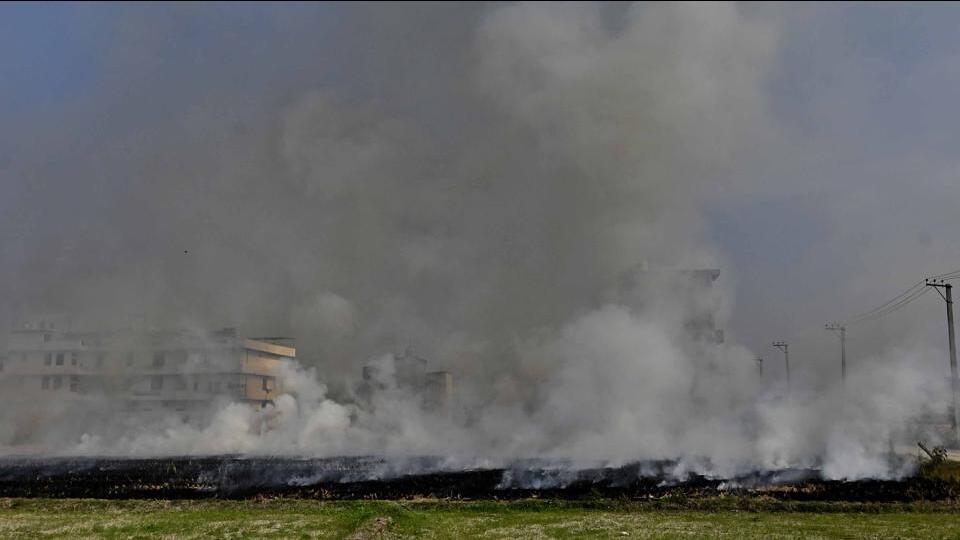
On Monday, the average AQI remained 287. However, the week-high of 364 at one point. It came in the backdrop of 184 stubble burning incidents being reported a day prior.
Primarily attributed to the annual scourge of stubble burning, the issue has cast a cloud of concern over the region and severely impacted the health of its residents, particularly those with pre-existing respiratory, ear, nose and throat (ENT), and eye conditions.
The continuous spell of poor air quality raised alarm bells as patients, with conditions such as asthma, chronic obstructive pulmonary disease (COPD), and other respiratory ailments bearing the brunt of the deteriorating air quality. The noxious air, laden with particulate matter, is causing exacerbations of these conditions, leading to an increased demand for respiratory care.
Dr. Harmanjot Kaur of the Civil Hospital explains, “Of around 300 patients visiting the medicine OPD each day, half are suffering from persistent cough, flu, runny nose, influenza, breathing problems, etc. These issues are stemming from pollution and poor air quality, causing health concerns, especially in patients battling comorbid conditions.”
Besides respiratory problems, ENT specialists in the city have noted a surge in cases related to sinusitis, rhinitis, and other complications due to the harmful air. Prolonged exposure to pollutants is known to irritate nasal and throat passages, leading to discomfort and health issues.
An ENT specialist says, “Changing seasons are a concern in themselves for people with ENT conditions like allergic sinusitis and rhinitis. However, with pollution levels on the rise, the number of cases has increased significantly.”
Ophthalmologists have also reported a noticeable increase in eye infections, conjunctival infections, and other visual problems due to the harsh impact of smog on eye health. The fine particulate matter in the air can lead to irritation and infections, particularly among individuals with sensitive eyes.
Amanpreet Kaur, an ophthalmologist at Civil Hospital, advises, “Prolonged exposure to polluted air can cause various allergic reactions in the human eye. The rise in conjunctival infections is evident, with six to seven patients visiting Civil Hospital with the same concern. Residents are recommended to wear protective guards like goggles or spectacles to mitigate the impact. Additionally, gently washing the eyes with lukewarm water before bedtime is advisable.”
Adding to these health implications, skin rashes and eczema are also on the rise, with Dr Rohit Rampal, a dermatologist at Civil Hospital Ludhiana, noting, “People are advised to use mild soaps and moisturisers that act as barriers against pollution.”


