
 E-Paper



Ludhiana: Spurt in kids with respiratory problems amid poor air quality
On Sunday, Ludhiana recorded an Air Quality Index (AQI) of 260, which falls in the ‘poor’ category; it causes breathing discomfort to most people on prolonged exposure, according to the Central Pollution Control Bureau

 Prefer HTon Google


As air pollution persists in the city, children are bearing the brunt as hospitals across the city have seen a spike in children complaining of respiratory illness. Ludhiana has seen air quality deteriorating since mid-October. The situation has got worse since November 6 when a thick blanket of smog covered the city.
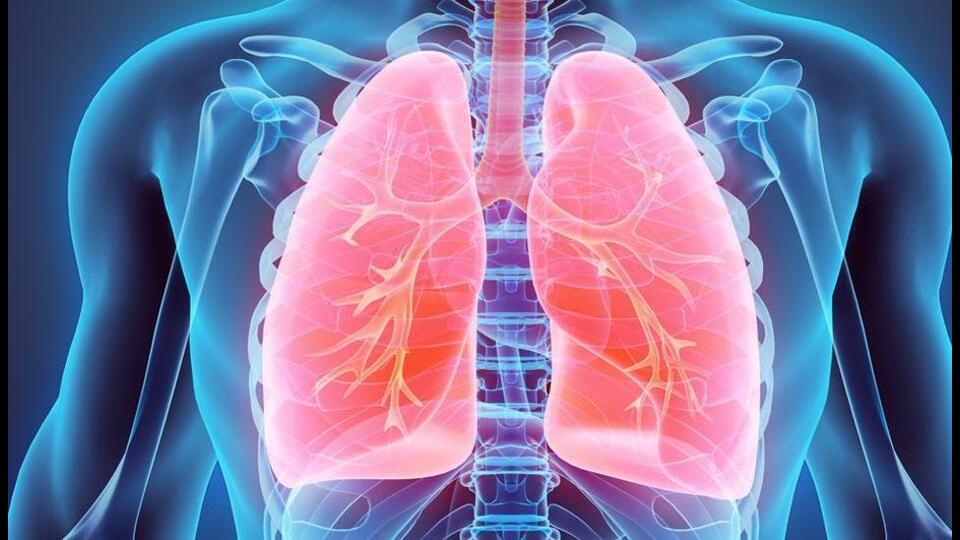
On Sunday, the city recorded an Air Quality Index (AQI) of 260, which falls in the ‘poor’ category. It causes breathing discomfort to most people on prolonged exposure, according to the Central Pollution Control Bureau.
The air quality remains critical. The Central Pollution Control Board (CPCB) classifies AQI levels as: 0-50 ‘good’, 51-100 ‘satisfactory’, 101-200 ‘moderate’, 201-300 ‘poor’, 301-400 ‘very poor’ and 401-500 ‘severe’.
“In my general OPD, I see around 120 cases per day averagely. Earlier, around 12 would be kids with problems like cough, asthma, tonsilitis and other allergic problems. Now, I have seen 3-4-fold increase in these cases,” said Dr Karambir Singh Gill from Dayanand Medical College. Dr Gill explained that children breathe faster than adults, which makes them more vulnerable to air pollution.
“Adults breathe between 15-20 times in a minute, but kids breathe between 40-50 times in a minute. This means they take in more air and the pollutants there in,” he said. Adding to children’s woes is the chill. “Now, the temperature has started coming down. There is cold air in the morning and evening, and this is the time the smog is worse. Both are allergens and a mixture of them make the situation worse,” he added.
He advised wearing cotton masks in the morning while going to the school. “Only cotton masks are advisable for kids, the other regular masks have fibers which children tend to swallow and that can cause other problems.”
He also advised skipping the avoidable outdoor activities.
Dr Rajinder Gulati, a child specialist at Mother and Child Hospital (MCH), Vardhman, said this spike was regular in these days of the year. “Due to the polluted air nasal allergies, laryngotracheal allergies, lung allergy and conjunctivitis cases were quite regular in kids these days,” he added.


