
 E-Paper



Two pills per patient capping at govt de-addiction centres in Tarn Taran leaves addicts in the lurch
As per information, only two pills of buprenorphine are being given to most of the patients every day in Tarn Taran. Sources said there is no capping on the tablets in private drug de-addiction centres.


Hundreds of drug addicts who have been undergoing treatment in government-run de-addiction centres, including 27 outpatient opioid-assisted treatment (OOAT) clinics, in Tarn Taran district have been left in the lurch because the health department has put a cap on the distribution of tablets to them.
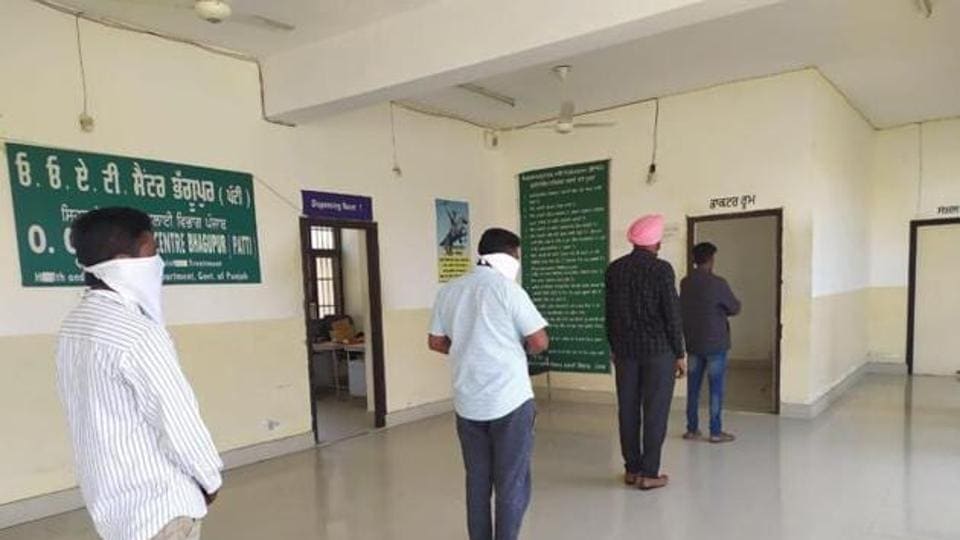
As per information, only two pills of buprenorphine—an opioid used to treat opioid use disorder, acute pain, and chronic pain—are being given to most of the patients every day in Tarn Taran. According to experts, many patients are those who need more than two pills every day and due to the suboptimal dose, such patients sometimes get a craving for illegal drugs, intake of which during the treatment further leads to severe harm, including overdose.
Dr Kavita, nodal officer for mental health and de-addiction in Tarn Taran, admitted that only two tablets per patient per day are being given. She said the capping on the tablets is on the basis of an order of the district administration.
“We have been directed to give only two pills per patient per day. Many times, the patients complain about giving them inadequate doses, but we are bound by the orders of our seniors. Many patients are those who require more than two tablets every day for stopping withdrawal symptoms. Even there are some patients whose maximum dose can be prescribed to 16-18 mg (i.e. eight to nine tablets). However, due to the inadequate dose being given to them, such patients sometimes show cravings for illegal drugs. There may be very harmful effects if patients take buprenorphine tablets and illegal drugs together,” said a doctor of one of the OOAT centres on condition of anonymity.
He said, “We conduct urine tests of the patients every week. Almost 50 to 60% of patients’ urine test results are still showing the presence of morphine and tramadol. The presence of morphine means the patient is still taking heroin or opium. Similarly, the presence of tramadol shows that the patient is opioid drug dependent.”
“As per the guidelines of experts, no such capping can be done. It depends on the psychiatrist who looks after the patients to prescribe their doses as per their requirements. If a patient is not getting an adequate dose of medicine, he can go into withdrawal and may start taking drugs again,” said Dr PD Garg, former professor at the psychiatry department of Government Medical College.
Sources said there is no capping on the tablets in private drug de-addiction centres. Besides registration and doctor’s fee, private centres have been charging ₹25 to ₹40 per tablet from patients.
Tarn Taran is one of the worst drug-hit districts of Punjab. More than 20,000 patients have been getting treatment in government and private drug de-addiction centres of the district. Around eight to 10 deaths due to drug overdose have been reported in the district in the last one month. An official of the health department said, “The actual deaths due to drug overdose are more than the official data. Many of the deaths remain under-reported.”


