
 E-Paper



Pollution worsening in Chandigarh despite ‘clean air’ efforts
A senior Chandigarh official emphasised the need for more targeted strategies to combat pollution, including promoting sustainable construction practices, improving road infrastructure and enhancing regional cooperation on air quality

 Prefer HTon Google


Pollution levels in Chandigarh have risen over the past five years, despite efforts under the National Clean Air Programme (NCAP) to improve the city’s air quality.
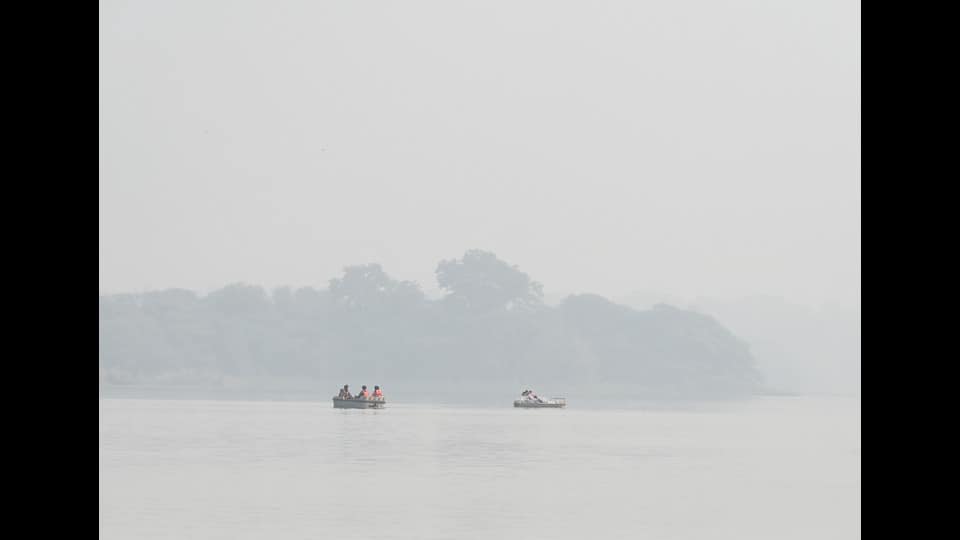
From 114 μg/m³ in 2017-18, the annual average concentration of Particulate Matter (PM10) has increased to 116 μg/m³ in 2023-24. This places the city among 33 others in India facing similar trends.
This was highlighted in the Lok Sabha, while Bhupender Yadav, minister for environment, forest, and climate change, responded to a question during the ongoing Parliament Winter Session.
The minister noted that city-specific clean air action plans have been developed to improve air quality. These plans focus on key pollution sources such as road dust, vehicular emissions, waste burning, construction and demolition activities, and industrial pollution.
Despite the NCAP’s goals to reduce PM10 by 40% by 2025 or achieve the national standard of 60 μg/m³ by 2025-26, Chandigarh’s pollution has worsened.
NCAP was launched in January 2019 by the Union ministry of environment. Between 2019-20 and 2023-24, ₹11,211 crore were allocated to cities under the NCAP to implement action plans and improve air quality.
While 97 of the 130 cities targeted by the NCAP showed improvements in annual PM10 concentrations in FY 2023-24 compared to FY 2017-18, Chandigarh’s pollution levels have increased.
Of these, 55 cities achieved reductions of 20% or more, and 18 cities met the National Ambient Air Quality Standards (NAAQS) for PM10, set at 60 μg/m³, in FY 2023-24.
‘Rapid urbanisation primary reason’
Navneet Kumar Srivastava, deputy conservator of forests, UT, explained that rapid urbanisation was a primary driver of rising PM10 levels, with dust from construction sites and poor road maintenance contributing significantly.
He said inadequate road maintenance and sweeping practices contributed to the re-suspension of dust by vehicular movement. Furthermore, airborne particles from neighbouring cities or industrial regions, particularly during unfavourable weather conditions, further deteriorated local air quality, Srivastava noted.
A senior UT official emphasised the need for more targeted strategies to combat pollution, including promoting sustainable construction practices, improving road infrastructure and enhancing regional cooperation on air quality.
During a meeting of the Graded Response Action Plan (GRAP), held in the second week of November, when the city’s Air Quality Index (AQI) had begun deteriorating to “very poor”, stubble burning in Punjab and Haryana was identified as a major contributor to the spike in pollution levels.
Other contributing factors discussed included the onset of winter, the festival season (which increases vehicular traffic and results in traffic jams), firecracker bursting and temperature inversions that trap pollutants closer to the ground.


