
 E-Paper



PPCB mulls setting up plant for hydrochloric acid recovery
Several industrial units in Ludhiana dump the spent hydrochloric acid in sewerage, resulting in mishaps during the sewerage cleaning process besides inflicting damages on environment. Setting up such a plant will recover the HCL from acidic waste and it will be provided back to consumers concerned for reuse, says the PPCB.

 Prefer HTon Google


Chandigarh Amid the dumping of spent hydrochloric acid (HCL) in sewerage that often results in mishaps, the Punjab Pollution Control Board (PPCB) has mooted a plan for setting up of a hydrochloric acid (HCL) recovery plant. The objective is recovery of spent hydrochloric acid in scientific and environmentally sound manner in Punjab.
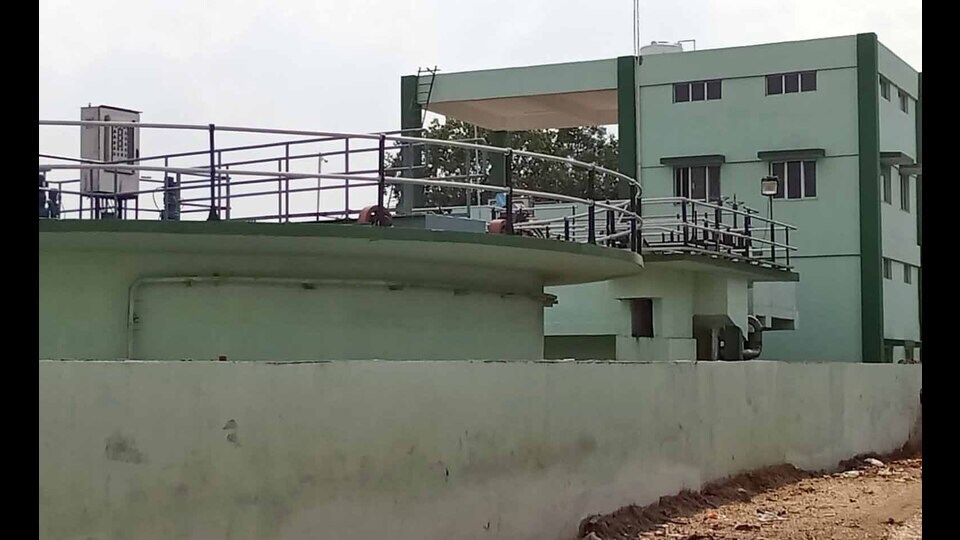
Throwing of acidic water in the sewerage is a big problem in Ludhiana as it has been creating problem for the municipal corporation and also the PPCB. Such a practice leads to minor to major mishaps during the cleaning of sewerage besides inflicting damages on the environment.
The PPCB, after studying such HCL recovery plants in Maharashtra, has invited expression of interest to set up one such plant in Punjab.
PPCB chairman Adarsh Pal Vig said there were several acid pickling units (using HCL) on the periphery of Ludhiana. “Though they send the spent acid for treatment to a facility in Ludhiana’s Phase 8 Focal Point for treatment, it is not enough as the acid is not properly treated. The HCL recovery plant will recover the HCL from acidic waste and it will be provided back to the concerned consumers (for reuse). This model is successfully working in other states,” he said. It will also reduce the pollution.
Many small and medium industrial units, manufacturing machine and cycle parts, use HCL in Ludhiana. Many of them have been illegally procuring and using the HCL without having facility to store and treat it.
The PPCB has in the past found glaring anomalies in the working of such units, dealing with electroplating, surface finishing and pickling of raw material. The role of the common effluent treatment plant (CETP), which is operated by a private company — JBR Technologies, is also under scanner for lifting effluent from HCL consuming units without having the requisite methodology to treat the same.
Some of the firms, engaged in wire drawing process, are in the dock for the use of HCL for pickling process and further lifting of the spent acid to re-processors which have no expertise to treat the same. Action has been taken against them in the past.


