
 E-Paper



Punjab tightens sacrilege law, proposes life imprisonment and hefty fines
The Aam Aadmi Party (AAP) government has convened a special assembly session on April 13 to amend the Act


The Punjab cabinet on Saturday approved the Jagat Jot Sri Guru Granth Sahib Satkar (Amendment) Bill, 2026, which proposes enhanced penalties such as life imprisonment and fines up to ₹25 lakh for the “beadbi” (sacrilege) of the Guru Granth Sahib. The move aims to curb nearly 600 reported cases of desecration over the past 10 years.
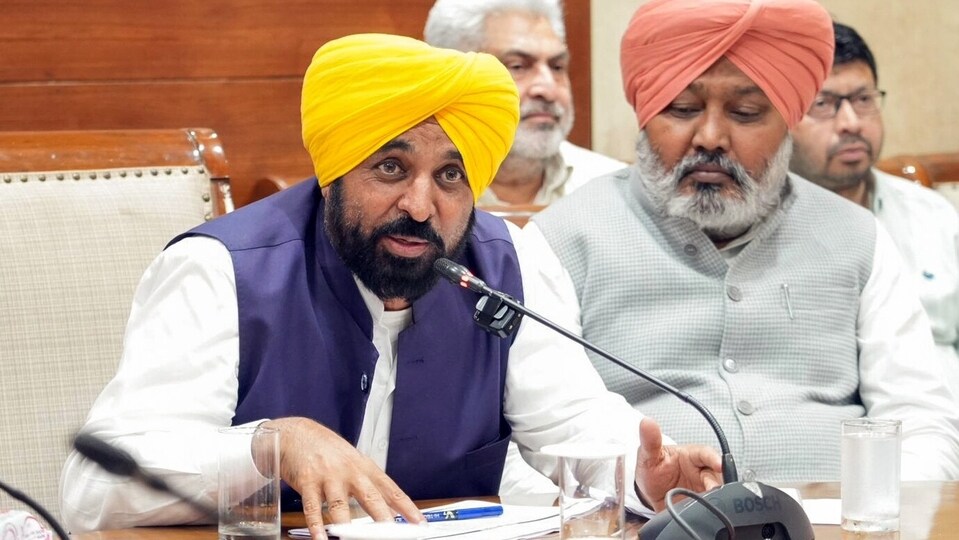
The Aam Aadmi Party (AAP) government has convened a special assembly session on April 13 to amend the Act.
“Several incidents of beadbi in the past have deeply hurt public sentiments and caused unrest. While sections 298, 299, and 300 of the Bharatiya Nyaya Sanhita (BNS), 2023, address such matters, they do not prescribe sufficiently stringent punishments to serve as a strong deterrent,” the chief minister’s office spokesperson said after a cabinet meeting, chaired by chief minister Bhagwant Singh Mann, took the decision.
The spokesperson said that the AAP government was determined that legal measures were required to safeguard the sanctity of the holy scripture and promote communal harmony. The amended bill mandates a minimum imprisonment of 10 years, which can extend to life imprisonment, for damaging holy scriptures, including the Guru Granth Sahib, Gita, Quran and Bible.
Speaking to the media after the cabinet meeting, finance minister Harpal Singh Cheema said the bill also proposes a fine of ₹5 lakh to ₹25 lakh.
Also Read | Drugs, arms smuggling ring busted, 3 caught with 6.5kg heroin, pistol in Punjab’s Batala
As per state government data, nearly 597 cases of sacrilege were reported over the last one decade. Of these, 480 involve sacrilege of Sikh religious scriptures and shrines, 92 involve Hindu religious places, 14 Muslim shrines and scriptures and 11 Christian places of worship. So far, out of 597 FIRs, only 44 have ended in conviction.
Congress MLA Pargat Singh termed the move “misleading” and argued that instead of revisiting the 2008 Act, the state should focus on securing passage of the 2018 amended Bill, which includes stringent penal provisions.
To be sure, this is not the first time the Punjab government has introduced a bill for stricter punishment for perpetrators of sacrilege acts. In 2016, the then Shiromani Akali Dal-Bharatiya Janata Party government brought in the IPC (Punjab Amendment) Bill, 2016 and the Code of Criminal Procedure (Punjab Amendment) Bill, 2016, recommending life sentence for sacrilege acts against Guru Granth Sahib. The Centre returned the bills, saying all religions should be treated equally given the secular nature of the Constitution.
In 2018, the Amarinder Singh-led Congress government again passed the two bills, but they failed to get the President’s assent.
The theft of a “bir” (copy) of the Guru Granth Sahib, recovery of sacrilegious posters, and the alleged tearing of pages of the holy book at Bargari in Faridkot triggered protests in October 2015. Two people were killed at Behbal Kalan, and several others were injured in Faridkot in police firing on protesters.


