
 E-Paper



Railways approves ₹201-cr ‘Kavach’ project for Ambala division
The project covers 811 route kilometres and has been sanctioned at a cost of ₹201 crore covering key rail corridors connecting the states of Haryana, Punjab and Himachal Pradesh, they added.


The Railways has approved the installation of ‘Kavach’ on the balanced broad gauge sections of the Ambala division of the Northern Railways, officials said on Monday.
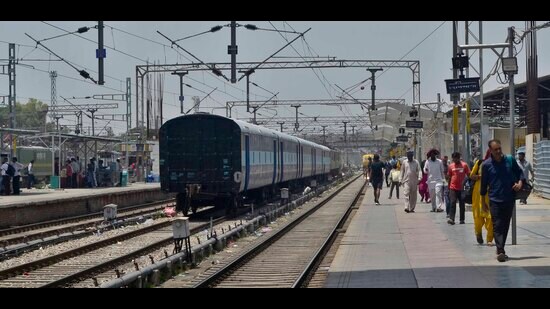
The project covers 811 route kilometres and has been sanctioned at a cost of ₹201 crore covering key rail corridors connecting the states of Haryana, Punjab and Himachal Pradesh, they added.
According to a statement, the work has been approved under the umbrella programme for the provision of ‘Kavach’ with LTE-based communication backbone on balance routes of the Railways.
The sanctioned work will cover important rail routes in the Ambala Division, including Ambala Cantonment–Ludhiana, Kalka–Chandigarh–New Morinda–Sahnewal, Sirhind–Daulatpur Chowk, Rajpura–Bathinda–Shri Ganganagar and Ludhiana–Dhuri–Jakhal sections.
The routes handle substantial passenger and freight traffic and play an important role in the movement of people and goods across the region, officials said.
Kavach is an indigenously developed automatic train protection system designed to enhance operational safety.
It helps prevent signal passing at danger, automatically applies brakes when required to avert unsafe situations, controls train speed in critical conditions, and significantly reduces the risk of collisions.


