
 E-Paper



Restoration of 2 Mughal Gardens kicks off in Valley
In March 2020, the Jammu and Kashmir government appointed Lambah, who runs an architectural conservation firm, to prepare a dossier to enlist prominent tourist spots of Kashmir as UNESCO world heritage sites, including the Mughal Gardens


A month after the government signed a memorandum of understanding with the JSW Foundation for conservation of Jammu and Kashmir’s heritage sites, restoration work has started at two Mughal Gardens — Nishat Bagh and Shalimar Bagh.
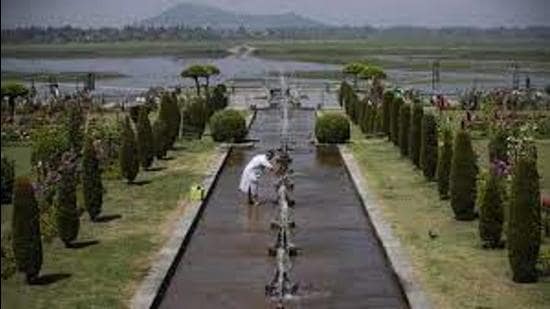
On Wednesday, conservation architect Abha Narain Lambah, who is working with the JSW Foundation, briefed lieutenant governor Manoj Sinha about the work being undertaken by the team for preservation and restoration of the gardens.
Shalimar Bagh is the largest Mughal garden in Kashmir. It was built by Emperor Jahangir for his wife Noor Jahan in 1619, on the bank of Dal Lake. It is in close proximity of the terraced Nishat Bagh, which was built in 1633 by Asif Khan.
In March 2020, the Jammu and Kashmir government appointed Lambah, who runs an architectural conservation firm, to prepare a dossier to enlist prominent tourist spots of Kashmir as UNESCO world heritage sites. Lambah’s firm has won nine UNESCO Asia Pacific Awards for conservation projects.
On July 28, the J&K government had inked an MoU with the JSW Foundation, which is the social arm of multinational conglomerate JSW Group, for restoration and conservation of the gardens. The foundation is providing both financial and technical support for preserving the two heritage gardens under corporate social responsibility.
The work will be completed in two phases and will approximately cost around ₹7 crore per garden.


