
 E-Paper



Spice of Life: Phew! British colonial legacy
When we reached the Hill Club, established in 1876, by British Planters, it felt like being transported to a town in England


Nothing competes with the myriad opportunities that travel gives us to learn and grow, to meet new people and to make memories that can be savored long into the future. Knowing that traveling refreshes, rejuvenates and infuses energy, my wife and I chose to visit Nuwara Eliya famous for tea production in Sri Lanka, a popular tourist destination with beautiful landscapes, tea plantations, and colonial architecture. Situated at an altitude of 1868m, it is known for its temperate climate, perhaps the coolest in Sri Lanka. The drive up the hillwas full of twists and turns as the altitude increased. Though we felt dizzy, the breathtaking landscape cheered us with its many mountains and valleys.
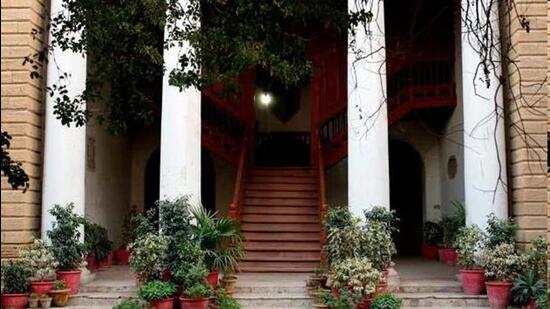
When we reached the Hill Club, established in 1876, by British Planters, it felt like being transported to a town in England. The nearly 150 year-old institution, a home-away-from-home for 19th century British tea planters, the Hill Club in Nuwara Eliya is renowned even today for old-world colonial charm, wooden staircases, high ceilings, antique fireplaces and hard wooden floors, atestimony to the times gone by, having welcomed a slew of notable guests and dignitaries, even playing host to Queen Elizabeth and Princess Anne.
Entry into the club is like going back into history. The immaculate floral garden with petunias and dandelions, a relaxing smell of cinnamon and pines that permeates everywhere, fluffy pillows and thoughtfully kept hot water bags in every bedroom is enough to make guests feel special. Traditions are maintained to this day and gentlemen are required to wear a ‘jacket and tie’ whileladies have to be in suitable attire for Dinner in the club’s formal dining room.
Before dinner, my wife needed a bucket for use in the spic and span bathroom. But no, the Club hadn’t heard of buckets and not having one on the premises asked her to use the ‘tub’ instead! Her insistence obligated them to bring a small pail and a Chinese ceramic bowl for sluicing. Terrified of using the ceramic bowl lest it falls and breaks, my wife used it double-quick, keeping the bowl aside quickly, afraid of causing damage to club property!
The ‘Dress Code’ forbids denims, shorts and slippers during dinner time. I was prepared with my jacket and tie but my wife had a major problem on her hand with the suitable attire prescribed for ladies, meaning frocks, blouses with collars and trousers, which she had not carried with her. An ingenious solution had her borrow my shirt and drape herself adroitly with a shawl!
Breakfast and the traditional ‘high tea’ at the club were other highlights. The delicacies reminded us of the food mentioned in Enid Blyton books that we had read in the days of yore. An array of snacks, cakes, fondue, baked delights, an assortment of smoked salmon and cucumber sandwiches, traditional English scones with clotted cream accompanied by the tea of our preference, brewed to perfection sent us into raptures of delight.
Undoubtedly, traveling to Nuwara Eliya in Sri Lanka had added to our experience. An old fashioned colonial styled club caught in a time wrap had taken us to the zenith of grand English country living. The rules and regulations were bothersome, the instructions annoying, yet they led us to make fascinating new memories!
priyannaik211@gmail.com
(The writer is a Bengaluru based freelance contributor.)


