
 E-Paper



Untested hybrid varieties mixed with PR 126 behind dip in yield, says PAU
A PAU study reveals hybrid rice mixed with PR 126 lowers yields and increases breakage, prompting millers to refuse milling until quality concerns are addressed.

 Prefer HTon Google


A study by Punjab Agricultural University (PAU) has found that hybrid varieties mixed with PR 126 have led to a dip in rice yield and an increase in breakage.
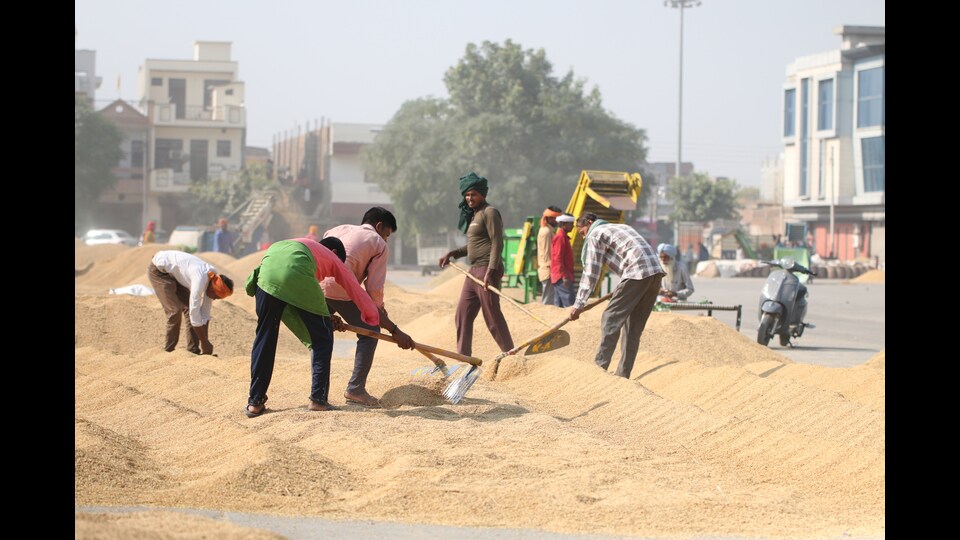
The study, authorised by the state government, in the wake of millers protest who have refused to mill PR-126, citing apprehensions about out-turn ratio (rice yield), stating that these may have been mixed with hybrid varieties.
As per Food Corporation of India (FCI) norms, for every 100 kg of paddy, the miller has to provide at least 67 kg of rice, with 75% of it being full grain.
The PAU study has found that the full grain percentage in some of the hybrids was as low as 40%. The trials conducted by PAU also found varying degrees of breakage percentage in the hybrids, going as high as 60%.
PAU vice-chancellor Dr SS Gosal defended the PR126 varieties, stating that it is “tried and tested”. He, however, added that it should be ensured that only varieties recommended by the PAU should be allowed to be grown and not what is recommended by unscrupulous seed sellers.
“We are careful as to what varieties are cultivated,” he added.
In the trials conducted by the university, some hybrids were found to return only 40% of the 67kg in full-grain rice, while that of PR 126 meets all the norms.
The PR 126 variety was prepared by the PAU and recommended for the farmers. While the hybrids, Gosal said, were prepared by private companies and were neither recommended nor tested by the university.
“Different companies across the country develop hybrids of their own and even get it tested where they develop it, but it doesn’t mean that it will give similar results. We only recommend a variety after testing it in local conditions for at least three years,” he said. The reports for the trials will be submitted to the government soon.
Tarsem Saini, president of the Punjab Rice Millers Association, said till their concerns are addressed the millers will not accept paddy.
“Last year, the out-turn ratio (rice yield) was only 62%, and it had 30-40% breakage, way above the allowed 25% norm. This caused losses to millers. Now, until the government either ensures us of the quality of the paddy or compensates for the losses incurred, we will not lift paddy,” he said, adding that farmers mix different varieties when they bring produce to the mandis.
Paddy was sown over 32 lakh hectares in Punjab, out of which the basmati was grown over 6.80 lakh hectares and PR126 over 14 lakh hectares. The variety has replaced water-guzzler, long-duration PUSA 44.


