
 E-Paper



Urban planning approval secured: Work on Chandigarh PGIMER-Sarangpur flyover begins in April-May
The clearance comes six months after the Chandigarh Heritage Committee granted in-principle approval to the revised design.

 Prefer HTon Google


Work on the much-awaited PGIMER-Sarangpur flyover is expected to begin in April or May this year as the urban planning department has finally granted its clearance, paving the way for the tendering process.
A senior engineering department official said the department will now prepare cost estimates and float tenders, a process which is expected to take around two months. “Construction may begin in April or May and will take approximately 18 months to complete,” the official said, adding that the department had submitted a 3D model, detailed traffic data and technical drawings to secure the urban planning department’s nod.
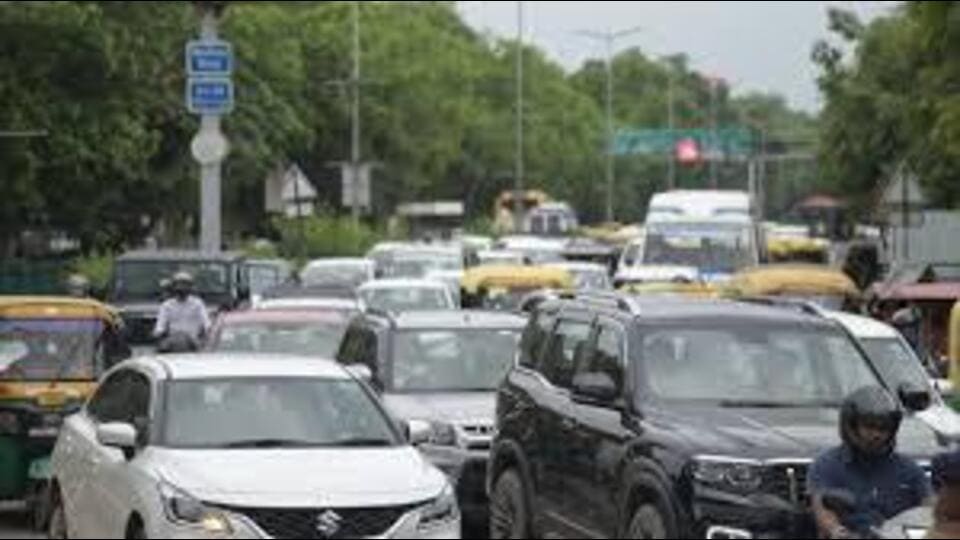
The flyover, set to start from near the Post Graduate Institute of Medical Education and Research (PGIMER) and end at Sarangpur while passing through Khudda Jassu and Khudda Lahora villages, is expected to ease congestion in the area, which sees regular bottlenecks due to hospital-related movement and institutional traffic (Panjab University, several affiliated colleges and the Punjab and Haryana high court also lie in the vicinity). It will also serve as the main carriageway for traffic heading towards New Chandigarh (Mullanpur) and Kurali.
The clearance comes six months after the Chandigarh Heritage Committee granted in-principle approval to the revised design.
Originally proposed in 2020, the project was shelved in February 2023 after a Metro corridor was planned along the same alignment. The proposal was later revived following a fresh traffic survey conducted under the supervision of deputy commissioner and road safety committee chairperson Nishant Kumar Yadav, which identified the stretch as a major bottleneck.
To address the overlap with the planned Metro corridor, the engineering department proposed a double-decker structure, with one level for vehicular traffic and another reserved for Metro tracks.
After reviewing the revised design, the Heritage Committee concluded that the flyover would not disturb the sectoral grid pattern of the city’s heritage sectors (1–30) and granted its in-principle approval. The project is expected to cost around ₹95 crore, though the final estimate will require approval from the UT administrator. This will be the second major flyover project to advance in the city after the Tribune Chowk flyover, which received clearance from the Centre last year in August.


