
 E-Paper



Urban areas at higher risk for vector-borne diseases, Ludhiana health department finds
Ludhiana health department, In a startling finding, found a significant divide in the presence of breeding spots between urban and rural areas, with the urban population facing a higher threat

 Prefer HTon Google


With vector-borne diseases looming with the advent of monsoon, the district health department has swung into action.
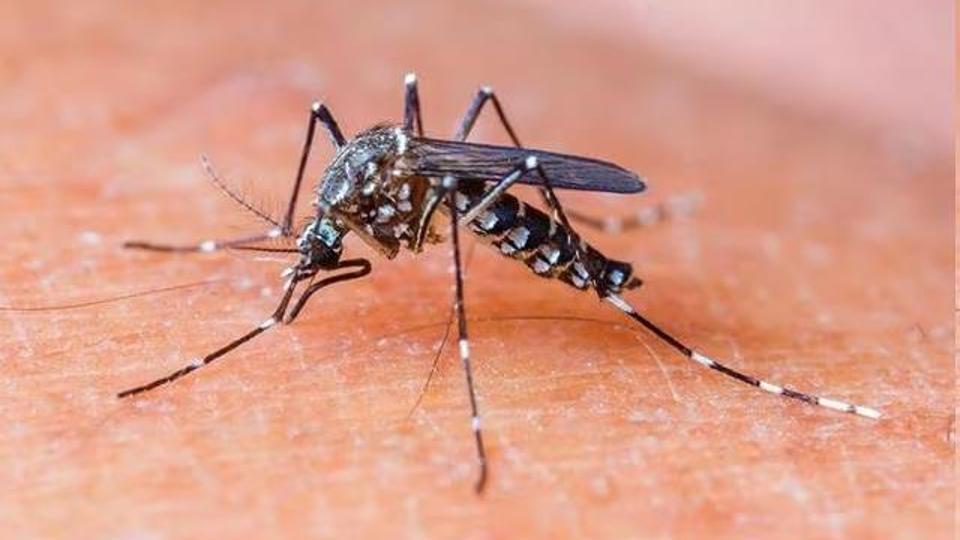
The department initiated inspections to identify potential breeding sites for mosquito larvae. In a startling finding, the inspections reveal a significant divide in the presence of breeding spots between urban and rural areas, with the urban population facing a higher threat.
According to the data compiled from January 2023 to June 2023, health inspection teams have visited a total of 1,12,617 houses in urban areas, covering locations such as Ludhiana, Khanna, Jagraon, Samrala, and Raikot.
A staggering 415 breeding spots were identified during the visits, accounting for a breeding spot prevalence rate of approximately 0.37%. The inspections also included the examination of 2,49,519 containers, including coolers, plant pots, and ACs, out of which 419 containers were found to be positive for larvae, resulting in a container positivity rate of around 0.17%.
In stark contrast, the ten major rural areas of the district, including Machhiwara, Manupur, Payal, Maloud, Sahnewal, Koomkalan, Pakhowal, Sidhwan Bet, Sudhar, and Hathur, underwent inspections in 17,20,504 houses.
Surprisingly, only 284 breeding spots were discovered, yielding a breeding spot prevalence rate of approximately 0.02%. Similarly, a total of 23,08,385 containers were examined, with 330 containers found to be positive for larvae, resulting in a container positivity rate of roughly 0.01%.
Addressing the significant disparity, civil surgeon Dr Hitinder Kaur said, “The densely populated urban areas become more vulnerable places for mosquitoes to breed. Neglected containers such as coolers, refrigerators, ACs, and decorative pots contribute to the higher prevalence of breeding spots.”
“To combat the dengue threat, the health department has been actively collaborating with schools, district administration, and hospitals to conduct educational camps,” she added.
Anti-larvae pesticides sprayed
Whenever larvae are found during inspections, the team sprays anti-larvae pesticides to curb breeding.
Private properties with larvae-positive spots or containers, meanwhile, are being reported to the municipal corporation, which issues challans with penalties amounting to ₹500 at least.
Over the past five years, urban areas have reported a concerning 4,713 cases of dengue, while rural areas reported only 1,546 cases, indicating a 33% higher incidence in urban regions. Notably, dengue claimed 29 lives in the district during the same period.
Lifestyle difference
A team member involved in door-to-door inspections stated, “Despite the perception that the urban population is more aware, rural communities excel in cleanliness. Regular cleaning of large spaces is practised in rural areas, while in urban areas, people often neglect numerous appliances, containers, and spots due to busy schedules.”
Discussing the strategy to combat dengue, district epidemiologist Dr Sheetal emphasised increased surveillance with the onset of the monsoon season.
Notably, the health department has identified 50 high-risk breeding spots in Ludhiana, including densely populated areas like Hargobind Nagar, BRS Nagar, Islam Ganj, Salem Tabri, Labour Colony, Janta Nagar, Dugri, Railway Colony, Issa Nagar, Lajpat Nagar, Rishi Nagar, Jawahar Nagar, and Punjab Agriculture University, among others.


