
 E-Paper



Uttarakhand forest dept dedicates North India’s biggest Palmetum to citizens
Elaborating on the details of palm species that have been grown in the Palmetum, Chaturvedi said around 4 species are critically endangered, 2 species are endangered, 2 species are vulnerable and 6 species are near threatened as per IUCN categorization,

 Prefer HTon Google


The Uttarakhand Forest Department on Sunday dedicated the state’s first Palmetum and the biggest one in North India, to the people in the Haldwani area of Nainital district. The Palmetum, which took over three years to develop, has over 110 species of palms.
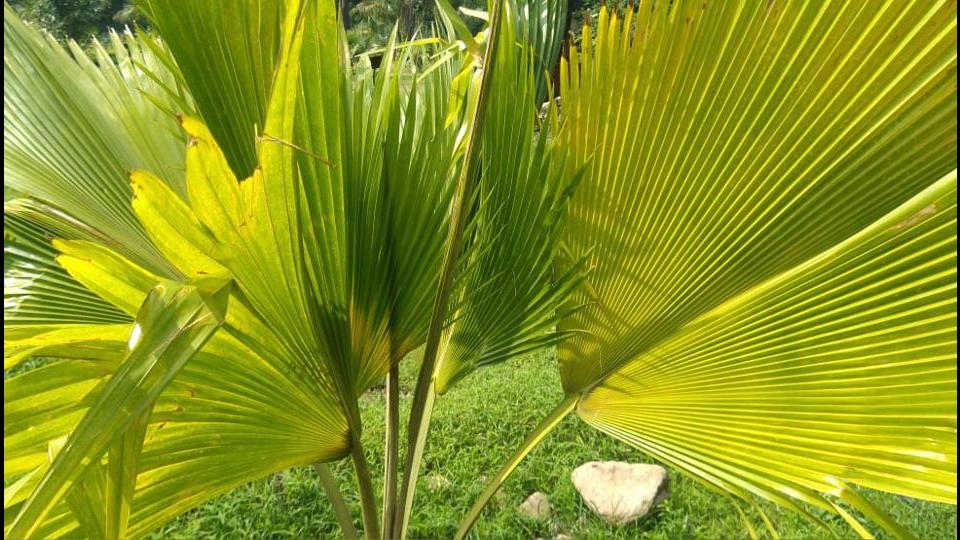
Prof Lalit Tiwari, a professor of Botany from Kumaon University dedicated the Palmetum to the people in Haldwani.
Sanjiv Chaturvedi, chief conservator of forests (CCF) and in charge of the state forest research wing said the main aim of the establishment of Palmetum is to promote conservation, further research and to create awareness about the importance and ecological role of various palm species.
“The project which has been established in an area of approximately 3 acres, was developed over the last three years under CAMPA scheme at a cost of ₹16 lakh”, he said
Elaborating on the details of palm species that have been grown in the Palmetum, Chaturvedi said around 4 species are critically endangered, 2 species are endangered, 2 species are vulnerable and 6 species are near threatened as per IUCN categorization, while one is threatened as per the Uttarakhand Biodiversity Board and one is rare as per the Indian Biodiversity Portal.
“One palm species is endemic to Uttarakhand. It is called Trachycarpus Takil (Takil Palm) and is the only Palm that can survive sub-zero temperature and has also been declared as a threatened species by the Uttarakhand Biodiversity Board; other endangered/threatened species include Beaucarnea recurvata (Ponytail Palm), Hyophorbe lagenicaulis (Bottle Palm), Dypsis leptocheilos (Redneck palm) , Hyophorbe verschaffeltii (Spindle Palm) and so on,” he said.
Chaturvedi said Palm species have diverse uses and play a significant role in many cultures across the world. “Apart from coconuts, many important items come from Palm species; dates, betel nuts, palm oil, acai fruit, Palm wine and so on.
In August, the Uttarakhand Forest department had dedicated the High Altitude Herbal Garden situated at nearly 10,500 feet height and believed to be the highest herbal garden in India, to the people. The garden spread over three acres has rare Himalayan herbs including Brahma Kamal, Neel Kamal and Phen Kamal, associated with the trinity of Hindu Gods- Bhahma, Shiva and Vishnu. On September 12 this year, the Forest Department’s research wing also dedicated country’s largest open-air fernery, housing around 120 species of ferns to the public. Ferns are ancient group plants, which were once dominant plants in forests but are now outnumbered by flowering plants.


