
 E-Paper



Add only CNG, EVs in new cab fleet: CAQM
The new directive bans the addition of new petrol and diesel vehicles into service fleets, covering all two-wheelers, light commercial vehicles (LCVs), and light goods vehicles (LGVs) in the N1 category.


Only CNG and electric vehicles will be allowed in new fleets of cab aggregators, delivery services, and e-commerce operators in Delhi-NCR starting January 1, 2026, the Commission for Air Quality Management (CAQM) announced on Wednesday. The move is part of a broader crackdown on polluting vehicles to reduce emissions in the region.
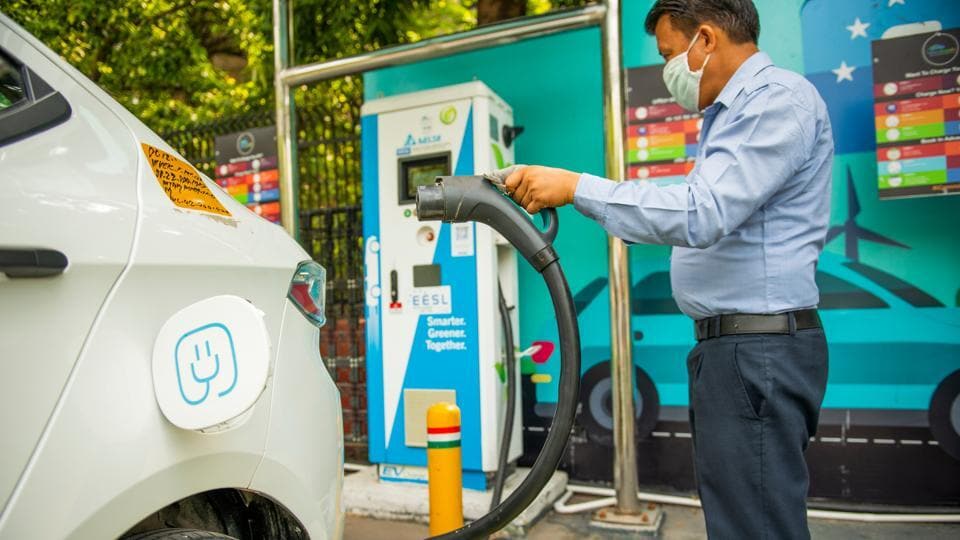
The new directive bans the addition of new petrol and diesel vehicles into service fleets, covering all two-wheelers, light commercial vehicles (LCVs), and light goods vehicles (LGVs) in the N1 category (weighing up to 3.5 tonnes).
Existing vehicles in operation, however, will be allowed to continue.
In direction number 94, issued on June 4, the CAQM said vehicular emissions remain one of the primary sources of air pollution in NCR cities. The policy targets areas with heavy vehicle use and intercity travel, including Gurugram, Faridabad, Sonipat, Noida, Greater Noida, and Ghaziabad. It also called on Haryana, Uttar Pradesh, and Rajasthan to create region-wide policies for logistics and mobility platforms.
In a separate order — direction number 93 — the CAQM also mandated that from November 1, 2026, all buses entering Delhi under various permits, including All India Tourist Permits, must operate on cleaner fuels or electric alternatives. This rule will not apply to buses registered in Delhi.
Previously, CAQM directions 78 and 81 had already restricted entry of intercity buses from neighbouring states to those running on BS-VI diesel, CNG, or electric power, reinforcing a clean fuel regime across the capital and its adjoining regions.


Stay updated with all top Cities including, Bengaluru, Delhi, Mumbai and more across India. Stay informed on the latest happenings in World News along with Delhi Election 2025 and Delhi Election Result 2025 Live, New Delhi Election Result Live, Kalkaji Election Result Live at Hindustan Times.


