
 E-Paper



CJI shifts DDA tree-felling contempt case to his bench
The clash arose last month when two different benches started handling a related but separate aspect of the contempt case against DDA, leading to a potential judicial standoff

 Prefer HTon Google


Chief Justice of India (CJI) Dhananjaya Y Chandrachud has intervened to resolve a rare confrontation between two Supreme Court benches concerning a contempt case related to illegal tree-felling in Delhi’s Ridge area. To prevent further conflict, the CJI has decided to hear the matter himself, with the case set to come before his bench on Thursday. The other members of the new bench are justices JB Pardiwala and Manoj Misra.
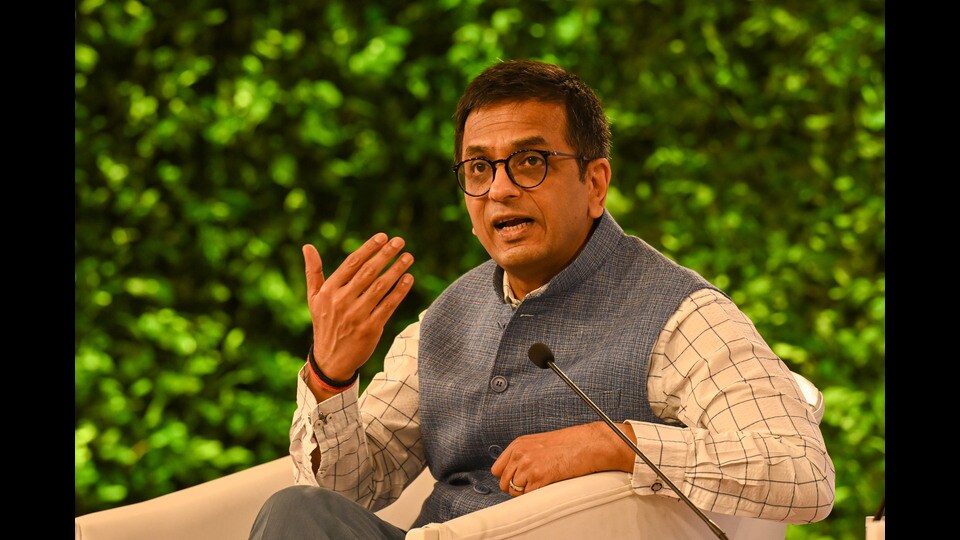
The clash arose last month when two different benches started handling a related but separate aspect of the contempt case against the Delhi Development Authority (DDA), leading to a potential judicial standoff.
The controversy began on July 24, when a three-judge bench led by justice Bhushan R Gavai, designated as the forest bench, raised concerns about judicial propriety. This bench had issued a contempt notice against DDA for allegedly felling trees in the Ridge area without proper permissions, as part of its ongoing monitoring in the TN Godavarman forest conservation case.
The matter escalated when another Supreme Court bench, headed by justice AS Oka, also took up a separate contempt petition against DDA on similar grounds. This bench dealt with a contempt petition filed by Bindu Kapurea, a public-spirited citizen, who had sought action against DDA for tree felling related to the construction of a road for a hospital for central armed paramilitary forces and SAARC University in Satbari. It was in these proceedings the court also called in question the role of the Delhi lieutenant governor VK Saxena in ordering the felling of trees while also examining lapses on part of the Delhi government and the Tree Authority in failing to check the chopping of more than 800 trees even as permission was sought by DDA for felling only 422 trees.
On July 24, justice Gavai’s bench questioned whether justice Oka’s bench should have entertained the contempt plea, given that a similar issue was already being addressed by the forest bench. “On the question of propriety when one bench is seized of the contempt proceedings, should the other bench have proceeded in contempt? The other bench has not adhered to judicial propriety,” the forest bench remarked.
Justice Gavai further expressed concern that simultaneous hearings by two benches on the same issue could lead to contradictory judgments, undermining the court’s authority and coherence. “It would have been more appropriate for the other bench to seek clarification from the CJI before initiating contempt proceedings for the same course of action to ascertain which bench should continue hearing the contempt proceedings,” this bench noted.
Recognising the potential for conflicting orders and a breakdown in judicial propriety, justice Gavai on the day referred the matter to the CJI to decide which bench should continue hearing the case. To be sure, the CJI, as the master of the roster, is the administrative head of the Supreme Court, empowered to assign cases to different benches.
Stepping in, justice Chandrachud has now centralised the matter under his own bench, manifestly to avoid any future standoffs between the benches and ensuring that the court speaks with one voice on the issue of environmental protection and the rule of law.



