E-Paper



Delhi: Central green panel rejects move to expand waste plant
Waste-to-energy plants involve the burning of waste to create energy, leading to toxic emissions. In 2017, the National Green Tribunal fined the Okhla facility ₹25 lakh after finding the emissions of dioxins and furans -- carcinogenic byproducts -- to be beyond permissible limits.

 Prefer HTon Google


A proposal to expand the capacity of the Okhla Waste to Energy (WtE) plant from 23MW to 40MW has been rejected, following a public hearing on August 16, officials aware of the matter said on Monday.
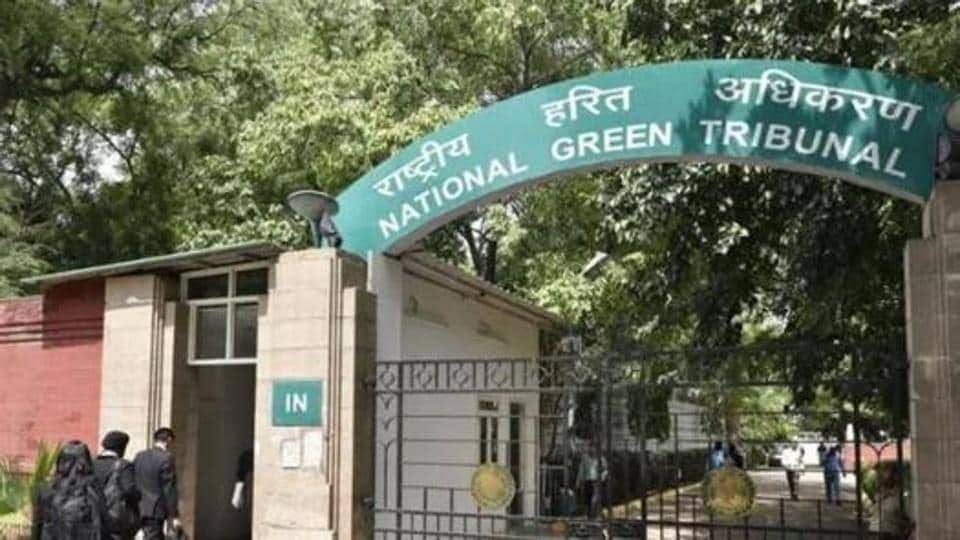
Waste-to-energy plants involve the burning of waste to create energy, leading to toxic emissions. In 2017, the National Green Tribunal fined the Okhla facility ₹25 lakh after finding the emissions of dioxins and furans -- carcinogenic byproducts -- to be beyond permissible limits.
The proposal does not provide any information on the change in environmental scenario or on the baseline pollution load due to the plant’s capacity enhancement, according to the minutes of a meeting of the Expert Appraisal Committee (EAC) held on August 24. EAC comes under the Union ministry of environment, forest and climate change (MoEFCC).
According to the minutes of the meeting, the EAC stated that the proposal also lacked details about the change in the quantity of the waste used at the plant, any potential increase in pollution load and the environmental infrastructure that will be required to handle and mitigate any possible increase in pollution levels.
The waste to energy plant has courted controversy ever since it became operational in 2012. The 2017 NGT order came on a petition by some local residents who had questioned the location of the plant, which they said was too close to residential pockets.
In August 2021, the Delhi Pollution Control Committee fined the plant ₹5 lakh when several parameters, including dioxin and furan emission values were found to be around 10 times the permissible limit.
Residents living in the vicinity have also been up in arms against the plant for being too close to residential pockets.
“No alternative site study has been performed to justify the present proposal. Earlier, the ministry had restricted further expansion on the present site as the site is very close to the residential area and several complaints have been received from nearby residents regarding the emission of toxic gases and foul smells and the nearby residents are resisting the project,” the minutes of the EAC meeting said.
“The EAC, therefore, is of the view that the present proposal seeking the amendment in environmental clearance is premature and needs to be substantiated with proper details as suggested,” it added.
During the public hearing on August 16, residents from the nearby Sukhdev Vihar, Haji Colony and Sarita Vihar cited past violation of pollution norms by the plant, and opposed any proposed expansion.
The public hearing was organised by the Delhi Pollution Control Committee.
Vinayak Malik, secretary at the Sukhdev Vihar Resident Welfare Association (RWA) said, “We are very grateful to the MoEFCC for taking on-board our concerns and complaints at the public hearing held on the August 16. The expansion of the plant would have left us with no choice but to abandon our homes in Sukhdev Vihar as we are already facing toxic emissions released by the plant 24x7.”
Delhi has three WtE plants, one each at Ghazipur, Narela and Okhla.
The three facilities have an aggregate capacity to process 5,250 tonnes of waste to generate 52MW power.