
 E-Paper



‘Don’t even know where to start’: Dog catchers in despair
The NDMC currently dispatches five to six catchers in a van for each operation. Some dogs are docile; others are aggressive, elusive, or skilled at slipping into inaccessible corners.


The ground staff of Delhi’s municipal bodies are staring at one of the largest animal control operations in their history with the Supreme Court on Monday ordering Delhi-NCR authorities to round up all stray dogs within eight weeks and house the Capital’s estimated million stray canines permanently in dedicated shelters.
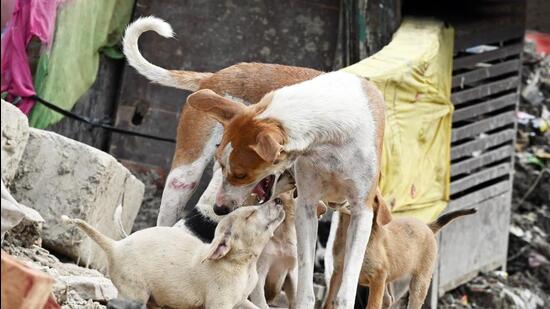
The directive leaves no room for the current “catch, sterilise, release” policy -- once housed in a shelter, a dog cannot return to the streets.
The court told municipal corporations and other agencies to coordinate urgently and create adequate shelter facilities before the deadline. That means preparing to capture and relocate an estimated one million dogs from Delhi’s lanes, colonies, parks, and markets.
But in dog-catching squads across the city, the mood is grim.
“We don’t know how this will happen,” said a New Delhi Municipal Council (NDMC) dog squad member, asking not to be identified. “No one has told us what’s coming. On a busy day, we get maybe 15-20 calls, and each dog might take an hour or two to catch. Now imagine catching hundreds in a day for weeks at an end.”
The NDMC currently dispatches five to six catchers in a van for each operation. Some dogs are docile; others are aggressive, elusive, or skilled at slipping into inaccessible corners.
“I believe we should focus on aggressive dogs and sterilise them, but not all,” the official added. “In Lutyens’ Delhi, many live peacefully near VIP bungalows and have never created problems.”
For now, standard procedure involves picking up strays reported by residents, transporting them for sterilisation at veterinary hospitals or NGO-run clinics, and releasing them back to their territories. The Supreme Court’s order would end that cycle entirely, demanding a logistical leap for which most agencies say they are not equipped.
MCD’s dog catchers do far less, with far less.
In Narela, a staffer with the dog-catching squad said his team handles just five to eight calls a day -- and even that stretches their resources.
“We have only two or three nets, no medicines, no tranquiliser guns, no training. Most of us are contractual staff. How will we pick up so many dogs?” he asked.
The risks are personal as well as logistical: “I’ve been bitten more times than I can count. Some dogs fight back, others bolt into drains or construction sites… We don’t know how we will manage .”
In north Delhi, a veterinary inspector who heads a squad said their primary focus is often on the injured -- dogs hit by vehicles or maimed in accidents.
“We get many such calls. There’s hardly space in hospitals. Most get basic treatment, an injection, and then we send them back to the streets. Now we’ll have to find them shelter, too.” His team’s only equipment: ropes for makeshift collars and a few nets.
Beyond the squads themselves, the bigger hurdle may be infrastructure. Delhi’s existing shelter space is minimal, with most facilities already at capacity. Building enough to house a million dogs would require not just land and construction, but also staffing, food supply, veterinary services, and long-term upkeep — all in under two months.
Animal welfare groups have raised concerns about the feasibility and welfare implications of such mass confinement, warning of overcrowding, disease, and stress in shelters. But for the municipal catchers tasked with enforcing the order, the worry is more immediate: the sheer physical impossibility of the task.
As one NDMC staffer put it, “Every day is already hectic. Now they want us to clear the streets in eight weeks? We don’t even know where to start.”
But the Supreme Court has spoken and they have no option but to obey.

Stay updated with all top Cities including, Bengaluru, Delhi, Mumbai and more across India. Stay informed on the latest happenings in World News along with Delhi Election 2025 and Delhi Election Result 2025 Live, New Delhi Election Result Live, Kalkaji Election Result Live at Hindustan Times.


