E-Paper



‘Smart charging’ soon for Delhi’s e-bus fleet
The pilot will be launched next week at the Rajghat 2 bus depot which has a total capacity of 150 electric buses

 Prefer HTon Google


The Delhi Transport Corporation (DTC) is set to start a pilot project to introduce a smart charging system for its electric buses with an artificial intelligence (AI) software indicating the most appropriate hours to recharge buses at the DTC depots, officials aware of the matter said.
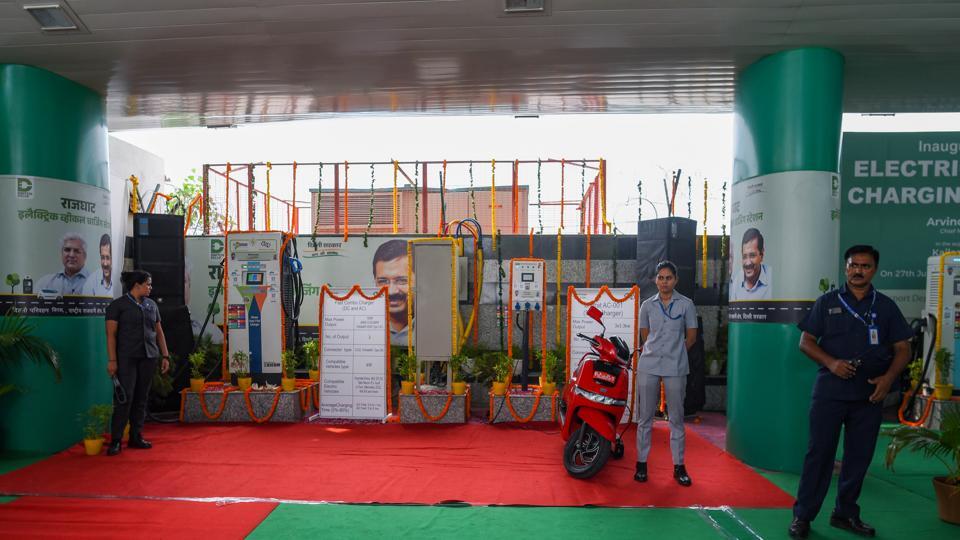
The pilot will be launched next week at the Rajghat 2 bus depot which has a total capacity of 150 electric buses. The test will go on for three months. At one go, 35 e-buses can be charged at the depot, they said.
“The software will have access to the data from the power distribution companies’ (discom) grid at the depot. It will analyse the data to find the times of the day, when the peak load is less, and relay that information to the depot staff so that buses can be charged during those hours. This will lead to savings in electricity costs and reduce grid load,” said Amit Kale, chief general manager, DTC.
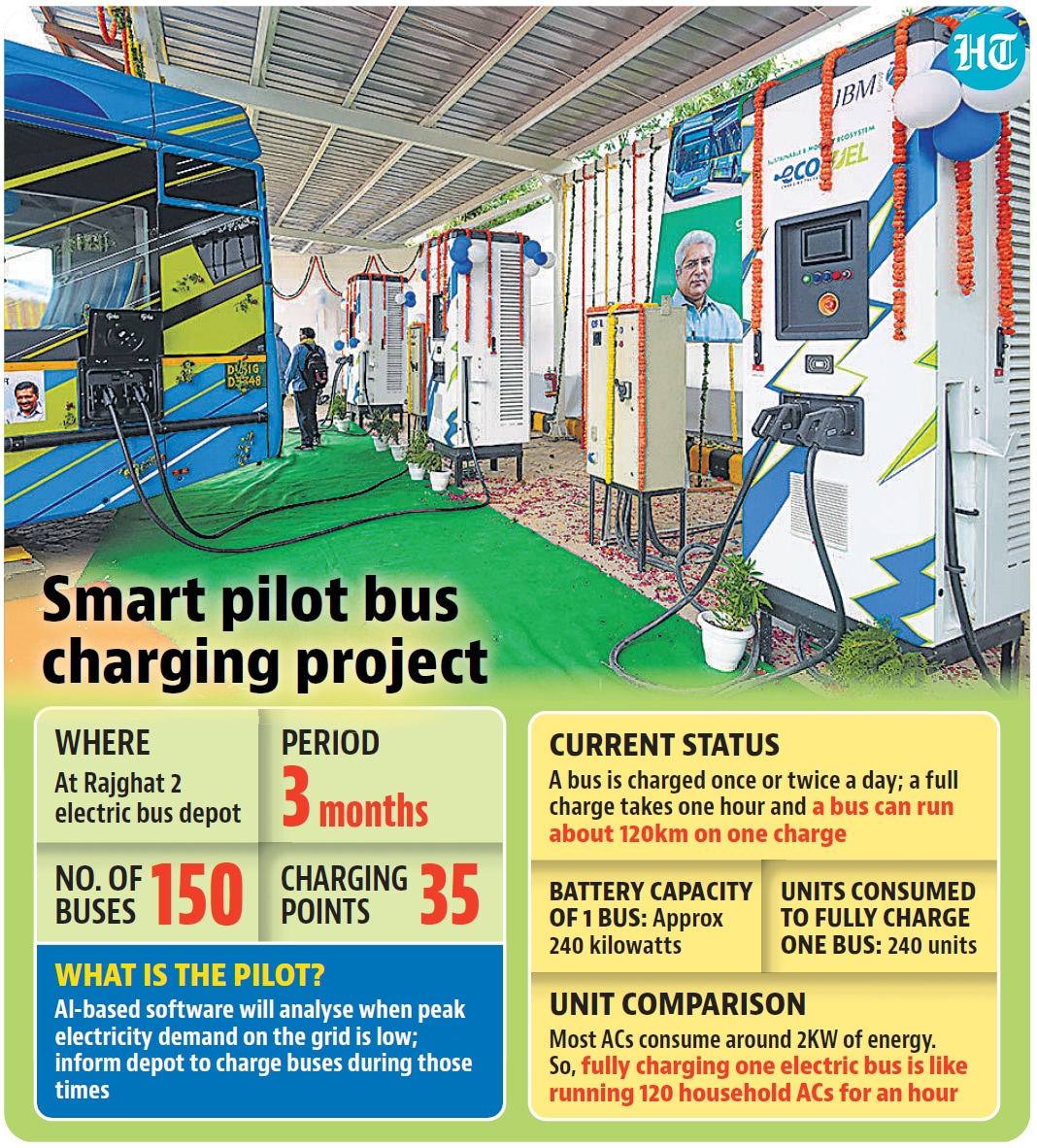
An average e-bus has a battery of 240 kilowatts, which would consume about 240 units of electricity for a full charge that takes one hour. Experts explained that at the household level, most air-conditioners consume around two kilowatts of energy. So, fully charging one electric bus is like running 120 household ACs for an hour. This is a huge load on the grid, which managed charging can help offset.
The discoms supply electricity at a fixed rate. However, if the load during peak hours is very high, the discoms need to take additional power from the grid at additional cost. In such cases, an energy surcharge is levied on the consumers for electricity consumption during peak hours. If there is a mechanism to inform when the load on the grid is low, it will help in saving this surcharge for the consumer (DTC) and will also reduce the load on the grid (helpful for discom).
Delhi has 400 electric buses and the state government plans to add 1,500 more by the end of this year. Electricity consumption for charging heavy electric vehicles and the overall load on the grid are two of the major concerns regarding the introduction of large electric vehicles.
Officials said as of now, a 12-metre-long electric bus takes about an hour for a full charge. A bus can operate for an optimum 120km on one full charge. Usually, one full trip of a DTC bus is not more than 50km, so a fully charged bus makes at least two trips without a recharge, they said.
Kale said that one of the conditions for the project is that the schedule of the buses should not be disturbed and charging times should be suggested accordingly.
“Electrification of the transport sector is progressing rapidly, and without smart management solutions, the whole electrical supply system can experience disruptions due to increased demand during the peak use period. Accordingly, to improve the efficiency of the system, smart management of transit fleet electrification, fleet management, and grid connections is required to avoid any interruption for the local public,” said Kale.
DTC officials said the buses are usually charged after their morning shift between 12 noon and 2pm. Another charging period is after 10pm, when the evening shift is over. The new software will coordinate with the discom and send an alert to the depot in real time about when the load has been reduced.
Officials added that the pilot project will be implemented in three phases. First, a simulation study will be done at the depot to analyse the performance of the existing charging infrastructure. Then, the live charger management system will be implemented. If it seems successful, in the third phase, the system will be replicated at other depots across the city.
“Looking at it from another perspective, bus batteries absorb and store energy when charged. These can be charged during non-peak hours and made operational throughout the day after that. The batteries can also be used for power supply, almost like a generator, if required. This is unlike any electronic device like AC, which can only run when electricity is available. So, it reduces peak hour energy demand, eventually leading to energy savings,” said N Mohan, CEO of Delhi EV Cell.
“Managed depot charging will result in optimisted charging, which can ensure that buses are properly powered when needed while reducing unnecessary burden on the existing infrastructure and supporting a more reliable and resilient grid,” said Pawan Mulukutla, director-integrated transport, World Resources Institute, India.