
 E-Paper



Condos in Gurugram may give club space to bars and restaurants
According to the policy provision, a bar or restaurant owner will have to get a separate licence and will be fully responsible for running the outlet at the condominiums

 Prefer HTon Google


Residents’ welfare associations (RWAs) can now invite popular bars and restaurants to open their outlets at the clubs on their premises under the new Haryana excise policy, officials aware of the matter said.
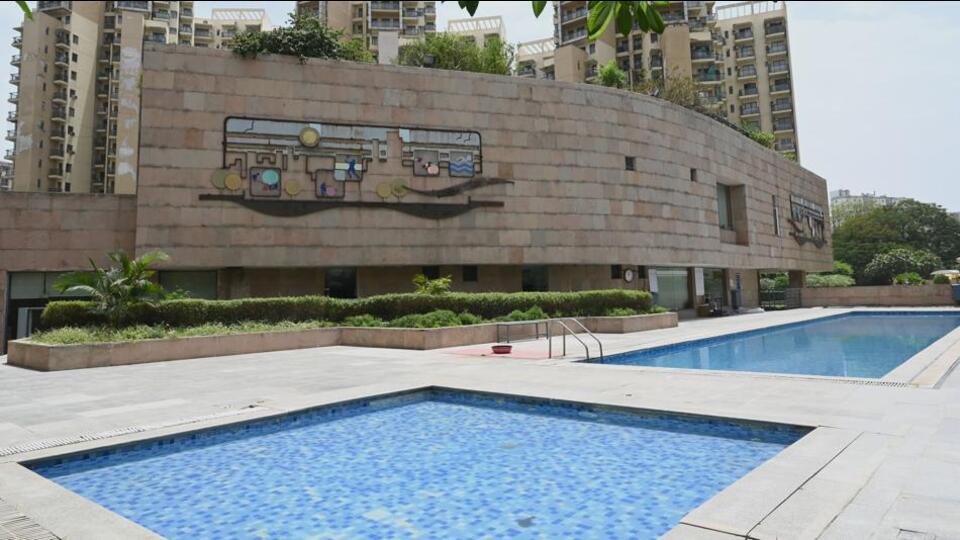
According to the policy provision, a bar or restaurant owner will have to get a separate licence and will be fully responsible for running the outlet at the condominiums. The RWA will only have to provide the premises, said officials.
In the new excise policy announced last week, the excise department reduced the annual fee for liquor licence at condominium clubs from ₹20 lakh to ₹15 lakh.
Haryana deputy chief minister Dushyant Chautala, who also holds the portfolios of excise and taxation, said that the excise policy was designed keeping in mind benefit the residents would get.
“Gurugram has all kinds of cuisines and world-class restaurants. We have reduced liquor licence fee for residential clubs so that more and more societies can opt for these licences and even small condominiums or gated colonies can offer their residents the best services and quality food. Earlier, only big players used to offer these facilities to their residents,” he said.
Excise officials said only a few developers have the facility of clubs but with the reduction of liquor licence fee, more developers and RWAs will explore options to get some top restaurant chains in their complex.
Chautala said clubs can outsource their areas to a third party, such as a restaurant chain, which will pay the licence fee and sign an agreement with the RWA to run the club.
“No rent will be charged from the restaurant chain to run the club, but all overhead costs will be borne by the vendor who takes the place to run a restaurant or bar,” he said.
The excise officials also said price of liquor served will depend on the RWA and restaurant. They can keep pocket friendly prices, lower than what is charged outside, for residents.
At least six RWAs have approached popular food and beverages brands to take up their clubs.
Nirlipt Singh, president RWA of Uniworld Gardens 1 on Sohna Road, said the initiative is a progressive step. “Once the restaurant or bar is set up, it will be a family-oriented environment where residents can enjoy their evenings. It will reduce cases of drink driving and be a safer option for residents as those who frequent the club will be known to each other. Chances of fights or misbehaviour will be less,” he said.
“Smaller in-house parties can easily be hosted within the complex. Overall, it is a good policy initiative, but maybe the cost of licence needs to be rationalised,” Singh said.
Nilesh Tandon, president of Fresco Apartments’ RWA in Sector 50, said they have the club space but never got thinking about collaborating with a good brand.
“We are exploring the option and want to bring one of the finest dining restaurants that can serve liquor as well. Residents would prefer dining within the premises rather than driving to a distant place to have a meal. We are looking into the agreement options to see whether the RWA could claim a share of the profits from the restaurant,” he said.
Tandon said the idea will help boost property value of a colony besides helping major brands expand.
Rahul Singh, trustee, National Restaurant Association of India (NRAI) and founder of Beer Cafe, said reduction in the fee for club licence in residential condominiums will encourage more societies to come forward and provide a responsible drinking space for their residents and guests.
“Elected residential associations will not take the licence themselves and would look to reputed companies to operate clubs. Branded and established bar chains can provide reliability, know-how, quality, and familiar and safe experience to residents,” he said.


