E-Paper



NGT takes dim view of agencies not desilting key Delhi drain
The Barapullah drain, approximately 16km long, flows through parts of south, central and southeast Delhi

 Prefer HTon Google


The National Green Tribunal (NGT) has expressed disappointment over agencies not taking responsibility to desilt and dredge the Barapullah drain, stating a key segment of the drain was yet to be dredged even as it directed the Delhi chief secretary to convene a meeting of all agencies, fix responsibility and take action, according to documents seen by HT.
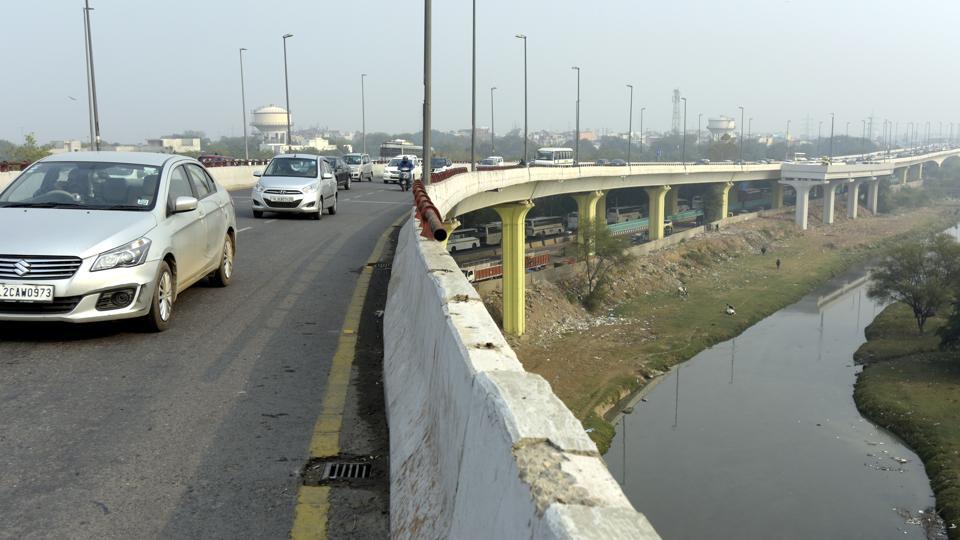
The drain, approximately 16km long, flows through parts of south, central and southeast Delhi, including Chirag Delhi, INA, Mehrauli, Defence Colony, GK, Nizamuddin and Pushp Vihar, before eventually meeting the Yamuna. Once a natural stream fed by monsoon rain, the drain carries almost 80% of wastewater from the Barapullah basin region into the river, accounting for a major chunk of the pollution in the river. Land along the drain is a marshland of sewage and wastewater, a breeding ground for disease, and pestilence.
Noting that agencies were still “playing a blame game”, NGT, in its order dated August 2 uploaded on Sunday, said that while an early segment of the drain was being dredged by the irrigation and flood control department, a portion of the drain, closer to the Yamuna was yet to be desilted by any agency and is likely causing waterlogging.
NGT has been hearing various pleas, including one by the Nizamuddin West RWA, seeking remedial measures to treat the Barapullah and its subsidiary drains, including the Kushak drain.
“It has been pointed out by learned senior counsel appearing for the applicant that so far desilting/dredging of stretch A-1 to A-7 of Barapullah drain is concerned, the work has been taken up by the Irrigation and Flood Control Department, but from A-7 to B, which is the last stretch, no work has been done and it is a crucial stretch because unless A-7 to B is dredged, the backflow will take place and desilting/dredging of upper stretches of the drain will not serve any effective purpose,” NGT said in its order.
The Barapullah drain flooded large parts of south and central Delhi on June 28 — when over 200mm of rain was recorded in a single day and water began to backflow from the drain. Waterlogging complaints were received from areas like Jangpura, Lajpat Nagar, Nizamuddin and Chirag Delhi, among other locations around the drain, impacting traffic on the first monsoon rain of the season.
In a press conference on the same day, Public Works Department minister Atishi said, “a lot of water overflowed through Barapullah and one of its walls was breached.”
NGT said the I&FC department has said that the stretch from A7 to B was yet to be handed over to them by the Delhi Development Authority. DDA, when asked, said, “desilting and dredging was not its responsibility”.
“None of the authorities or their Counsel present in the Court are in the position to state as to who or which authority is responsible for desilting/dredging of the stretch from A-7 to B. We find it very strange and unfortunate that though the matter has been heard at length on the previous date on the issue of dredging of Barapullah drain... it is not clear to the concerned authorities as to who has the responsibility to clean /dredge this stretch,” said the tribunal in its order, directing the chief secretary to immediately intervene.
NGT will be hearing the matter next on August 6.
Shahdara drains not meeting BOD standards, NGT told
Meanwhile, the Uttar Pradesh Pollution Control Board (UPPCB) reported to NGT that the Sahibabad, Indirapuri, and Banthla drains — all supplementary drains of the Shahdara drain in Delhi — were not meeting requisite standards for Biological Oxygen Demand (BOD). The report said that samples collected showed three to four times the permissible limit of 30mg/l.
UPPCB attributed the high BOD to “untreated domestic effluents” and initiated action against industries along these drains, issuing show cause notices or closure directions to 13 industries. The Shahdara drain flows mainly through Delhi, with a portion, including its supplementary drains, under UP. It eventually meets the Yamuna.
“Presently, the Sahibabad Industrial area is being used for industrial, commercial and institutional activities. As per office records, there are 113 water polluting industries situated or operating in the catchment area of Sahibabad drain,” said the submission, dated July 31. It said samples were collected from three points of the drain, noting the colour to be “blackish” and that BOD levels ranged from 108 mg/l to 115mg/l.
For the other two drains, three samples each were similarly collected, with BOD concentrations ranging from 72mg/l to 76mg/l for Indrapuri. Banthla drain fared slightly better, with the levels ranging from 52mg/l to 58mg/l.
NGT has been hearing a petition filed by residents of Arjun Nagar in Shahdara since April 2022, alleging that the Shahdara drain contains industrial effluents, and sewage water.