
 E-Paper



Opinion: The driver’s arrest is a blow to personal liberty
The charges initially brought against the SUV driver in connection to the coaching centre deaths and the magisterial court denying him bail defied legal logic and principles of judicial decision-making—mirroring the absurdity of the king’s ‘justice’ in Bhartendu Harishchandra’s play

 Prefer HTon Google


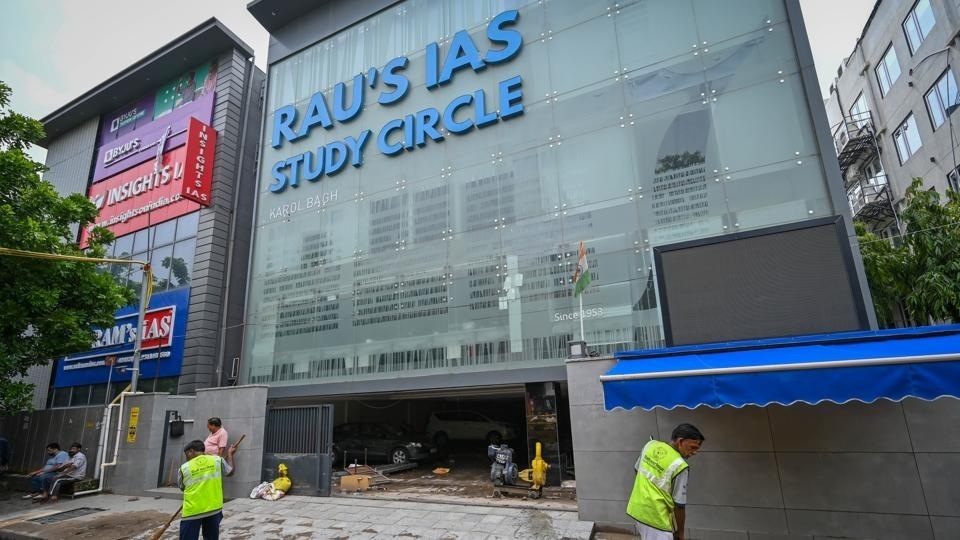
While the shock of the tragic drowning of three civil-services aspirants still lingers, the outrageous police action of arresting Manuj Kathuria for driving his vehicle through the flooded street where the unfortunate incident took place was a horrifying blow to the personal liberty of a citizen. It has been reported that Kathuria’s SUV, while passing through the water-logged road where the coaching centre’s basement library is situated, caused ripples in the water, which allegedly breached the entrance of the coaching centre and flooded the basement. The police had charged Kathuria for, inter alia, culpable homicide not amounting to murder and for voluntarily causing hurt. This defied logic and militated against all common sense and legal provisions. Following the Delhi high court’s censure, the charge of culpable homicide not amounting to murder was later dropped. Kathuria has also received bail upon an appeal at the Tis Hazari court, against the magisterial court’s denial of the same earlier in response to opposition from the Delhi Police.
Kathuria’s arrest is reminiscent of the play Andher Nagari Chaupat Raja, Bhartendu Harishchandra’s masterpiece about a king and his anarchical kingdom, where the death of a goat leads to an irrational pursuit to determine the culpability based on whose neck fits the noose. This incident not only raised significant concerns about the facts and circumstances surrounding the arrest of Kathuria by the police based on such absurd charges, but also highlighted a deeper, more troubling trend of the erosion of personal freedoms in the name of fixing accountability.
Read more: MCD admits fault for Rajendra Nagar waterlogging
The absurdity began when the police decided to charge Kathuria with culpable homicide not amounting to murder. This was compounded when the magistrate, at the stage of remand, instead of outrightly rejecting these atrocious and far-fetched charges and releasing him, remanded him to a 14-day judicial custody. Thereafter, by denying him bail and prima facie accepting the validity of the charges, the magistrate defied all sense of legal logic and judicial decision-making.
In his order, the magistrate noted that the allegations against Kathuria are serious in nature, as the CCTV footage shows him driving his car in waterlogged road, causing large displacement of water despite being warned of the dangers ahead by passersby. The magistrate rejected the bail application without addressing the absolute lack of causal connection between Kathuria’s driving and the fatal flooding or any knowledge on the part of Kathuria that his driving would cause the death of three students studying in the basement of one of the buildings by flooding.
The complete non-application of mind resulting in illegal and non-judicious exercise of the power of remand, and subsequent denial of bail by the magistrate is yet another instance of a citizen being unjustly deprived of his personal liberty in the most callous manner, and is simply reprehensible. The magistrate grossly failed to perform his judicial role as the first line of defence against the deprivation of liberty of citizens at the hands of arbitrary police powers.
Pertinently, apart from stating that Kathuria was driving through a flooded road, the police did not allege any wrongdoing on his part. It is beyond comprehension how a person could have been charged with the grave offence of culpable homicide not amounting to murder for merely driving through a flooded road, which is a norm in Delhi on any day that it rains. The logic, or the lack thereof, behind holding Kathuria accountable for the deaths, had it held longer, would have also been applicable to the Delhi Commissioner of Police for his failure to ensure that the flooded road was cordoned off, and accordingly highlighted its absurdity.
Read more: Delhi IAS coaching centre deaths: High court slams 'freebie culture', summons MCD commissioner
Considering the police’s history of trampling upon the personal liberty of the citizens, Delhi Police’s actions might not come as a surprise. However, the complete non-application of mind by the magistrate in denying bail and remanding Kathuria to judicial custody was truly shocking and absolutely unpardonable. The abysmal state of affairs in matters of remand, which is a constitutionally prescribed check on arbitrary deprivation of liberty, is laid bare when most trial courts act mechanically as post offices for accused persons, merely receiving and forwarding them to jails.
Further, then the denial of bail by the magistrate without even considering the basic ingredients of the criminal charge, such as complicity, knowledge, remoteness, and parameters of grant of bail (the law says bail is the rule, jail is the exception), deprived Kathuria of his personal liberty for however short a time. Such incidences leave permanent scars on the affected individual’s psyche.
Read more: UPSC aspirants death: MCD report blames everyone but MCD
This also leads to the inescapable conclusion that the lower judiciary needs to be sensitised and trained to apply its mind before remanding any person to custody. The judiciary, having been entrusted with guarding personal liberty of the citizens, should do this zealously. It should ask the authorities why a person should be sent to jail, instead of asking the person why he should be granted bail.
In Andher Nagari, the autocratic and irrational regime of the king, Chaupat Raja, comes to an end when the guru lures the king into hanging himself.
Thankfully, sense has dawned and the district court has set the course right.
Amit Anand Tiwari is senior advocate, Supreme Court. The views expressed are personal.


