E-Paper



Original versus modern: What’s your pick?
Whether it’s a traditional momo or a kale or beetroot flavoured one, this food item can instantly turn around a bad day

 Prefer HTon Google


The sight of delicate, steaming hot momos with scrumptious chicken or veggies, paired with your favourite drink can instantly turn around a bad day. The dish that tops the list of our most favourite comfort food dates back to the 14th century, but whether they were created in Nepal or Tibet remains debatable. “It is believed that momo came to India in the 1960s when a large number of Tibetans entered the country and settled in several different parts of the country including Ladakh, Darjeeling, Dharamshala, Sikkim and Delhi. These are the major momo hotspots that we know and love. Another theory suggests that it was the Newar merchants of Kathmandu who brought the recipe from Tibet during their travels along the Silk Route. Their popularity then trickled down to other parts of the country, ultimately becoming the much-loved soul food for so many of us,” says chef Karma who has been working with Prasuma Momos’ for the last 16 years.
Authentic momo, steamed or in the form of a thukpa, is highly popular. Over the years, we have seen numerous modifications and exciting new renditions of the dish. However, this often upsets the purists who believe that the original is the best. Sneha Saikia, a chef from Assam, says, “Momo means emotions for the Northeastern people. Thoughtless experimentation with momo sometimes upsets us. It has ruined the original recipe. Now momo comes with the stuffing of noodles, paneer, cheese and even chocolate. Sellers are putting it in tandoor and serving with synthetic sauces. It is losing its authenticity but you will find the authentic momos in the cafes in the Northeast.”

Chef Reetu Uday Kugaji agrees that such experiments may damage the essence of momos. “As chefs, it is our responsibility to preserve and pass on age-old recipes to the new generations. Otherwise one day these recipes would be gone forever. I have tried tandoori momos but nothing can be compared to the original. I love the Kothey momos (Himalayan pan-fried dumplings) made with ginger-flavoured pork as its filling, half steamed and half pan-fried till they become crisp and golden brown, served with a sharp, tangy chutney.” Sharing her views, Lisa Suwal, CGO (Chief Growth Officer) of Prasuma, says, “We have noted that consumers like to try new things and experimentation when done with a balance is always worth it. The classics will always remain classics, while new variants will also be embraced by welcoming taste buds.”
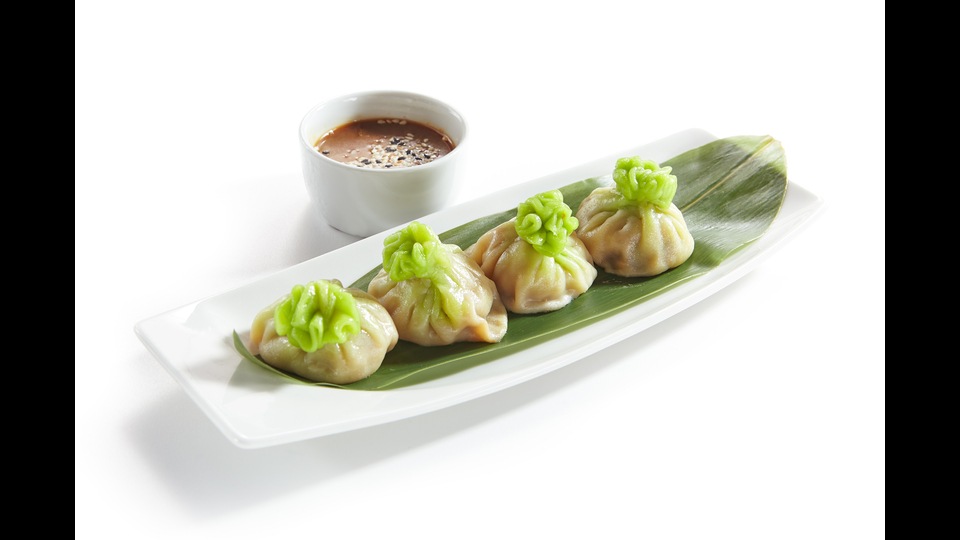
Momos are also getting a few healthy twists. Chefs are using wheat, buckwheat and finger millet to make momos. One may also add natural flavours and colouring to the flour before kneading the dough for momos by using beetroot, spinach, cilantro and kale. Chef Nishant Choubey says the newer versions of momos with a healthy spin should be welcomed. “I love the modern interpretation of momos as they are less starchy. You can see the stuffing inside. Any interpretation, if done right, should be accepted,” says Choubey.