
 E-Paper



Police tighten security across Delhi, use face recognition app ahead of Independence Day
Face recognition software was used extensively after communal riots in February 2020 in the Capital, and police identified over 300 people linked to these incidents using the technology, said officials.


The Delhi Police will use a facial recognition software (FRS) on “vagabonds” or “people with suspicious movement” in several areas of north police district to keep a check on criminal activities and maintain database on the same, keeping in view the Independence Day celebrations this year on August 15, said officials on Saturday.
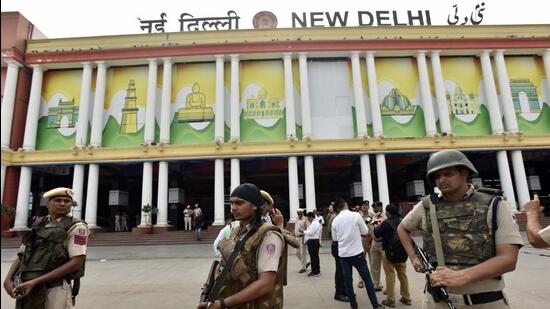
The drive was launched about a month ago, and is being conducted in three jurisdictions including Kotwali, Lahori Gate and Kashmere Gate where most of the “vagabonds” reside, confirmed deputy commissioner of police (north) Sagar Singh Kalsi. Beat officers in these police station jurisdictions have been visiting each footpath, roadside, and shop fronts where “vagabonds” stay.
“Dedicated police teams have been taking pictures and details of ‘vagabonds’ like their names, ages, native places, reason for shifting, and period of stay in the national capital areas,” said a senior police officer, requesting anonymity. So far, police have collected photographs and details of a few hundreds, including over 250 “vagabonds” in the Lahori Gate area.
An officer, conducting the drive, said that he met a 28-year-old man who has been living on the footpaths in the Lahori Gate area for over 10 years. According to the officer, the man moved to Delhi a decade ago after his parents scolded him over a “petty domestic issue”. “According to the man, after a fight with his parents at their Uttar Pradesh village home in Mainpuri, he took a train to Delhi.even without a ticket. When he reached the railway station, he survived on free food and stayed at a footpath. He got used to this life and never left,” the officer said, who asked not to be named.
Sharing a narrative of another man from the north east part of the country, the officer said that the 35-year-old used to salute like a professional whenever an officer would pass by. “I never asked him, but I always wondered how this man knew the perfect way to salute. Once we asked him about it, and he said that he was from Manipur, and used to be a low-rank official in the army, but he later quit. Many years ago, he had a fallout with his wife and left his village, and came to Delhi. Now, he works as a daily wage worker who transports goods on push carts and stays on the footpath,” the officer said.
After collecting substantial photographs of the “vagabonds”, police take those to the Kamla Nagar unit where FRS are installed, and save the collected photographs in the software. “By this, we get to know about their criminal records, if any. There is a possibility that some of them may turn out to be declared proclaimed offenders, in which a legal action would be taken against them,” the officer said.
FRS was used extensively after communal riots in February 2020 in the Capital, and police identified over 300 people linked to these incidents using the technology, said officials.
In such cases, the officer said, they maintain a database and collect native addresses and cellphone numbers of a related person, so that they can send letters to their homes -- at the least. “Eventually, if something happens to them, we would know who these people are, and contact a related person,” the officer said.

Stay updated with all top Cities including, Bengaluru, Delhi, Mumbai and more across India. Stay informed on the latest happenings in World News along with Delhi Election 2025 and Delhi Election Result 2025 Live, New Delhi Election Result Live, Kalkaji Election Result Live at Hindustan Times.


