E-Paper



Roadblocks cleared for Delhi’s Barapullah phase 3
As part of the third phase of the Barapullah project, Mayur Vihar will be connected to Sarai Kale Khan via a 3.5km flyover

 Prefer HTon Google


Lieutenant governor (LG) VK Saxena on Saturday approved the acquisition of two land parcels at Nangli Razapur village in southeast Delhi, crucial for the completion of the third phase of the Barapullah elevated road project, officials aware of the matter said.
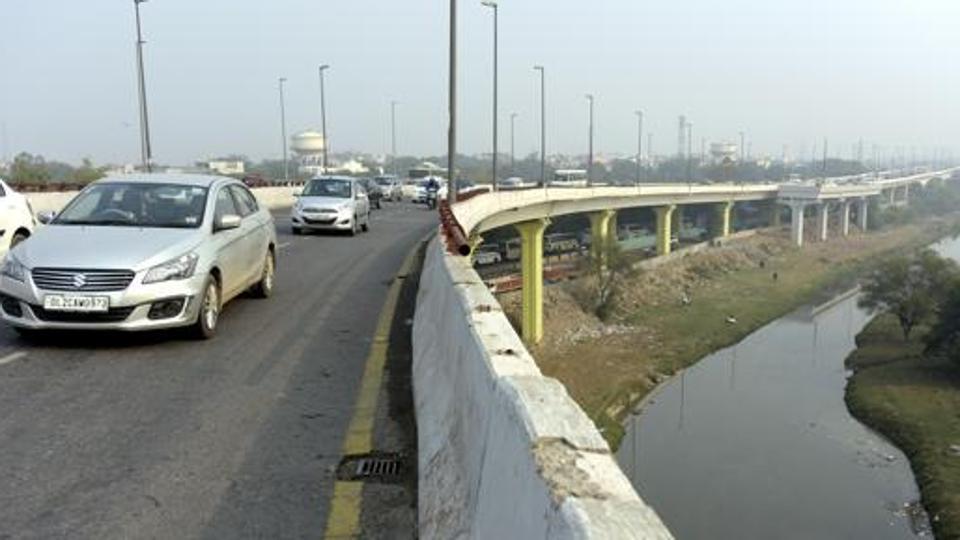
Public Works Department (PWD) officials said the project will now take about a year to complete, as about 20% of the work still remains.
As part of the third phase of the Barapullah project, Mayur Vihar will be connected to Sarai Kale Khan via a 3.5km flyover, which will improve connectivity between east, south, and New Delhi and decongest Nizamuddin Bridge, Bhairon Marg, and Ashram Chowk on Ring Road.
The project, which began in April 2015, was expected to be completed by October 2017 but was delayed due to land acquisition issues and the Covid-19 pandemic. Following a long legal battle, the courts approved acquisition of land for the project in January this year, after which land was acquired in small portions.
On Saturday, the LG approved the acquisition of the last pieces of land, measuring 0.2 and 0.1 acre respectively, located in Nangli Razapur. Saxena also asked the chief secretary to inquire into the “erred planning” and assessment of land requirement that led to delays in the project.
“AAP Government has been repeating that it was saving huge amount of public money by executing PWD projects before time and below the tendered amount. Now the government will end up paying ₹1326.37 crores for the Barapullah project against the tender amount of ₹964 crore, which is an additional ₹362.37 crore being paid to the contractor out of the government exchequer, while also delaying the project by over six years,” the LG’s office said in a statement.
In response, a Delhi government official, declining to be named, said, “It’s deeply unfortunate that despite having all the requisite information concerning the matter, the LG has put up imputations against the government. It’s noteworthy that the project design, approvals and land requirements were all finalised in 2013 under the Sheila Dixit government. The sanction for the project was given in December 2014 during the President’s Rule by the LG of that time. The Arvind Kejriwal government has always used public exchequer money for the betterment of Delhiites, and is solemnly resolved to do in future.”