
 E-Paper



Up to 64k beds, better oxygen infra: Delhi ready for Omicron, says CM Kejriwal
The city endured a punishing fourth wave of Covid-19 infections between April and May that left health infrastructure overrun, overwhelmed medical workers, and led to crematoriums running out of space. Over 760,000 people were infected in that period, while over 13,000 died of the infection between April and May alone

 Prefer HTon Google


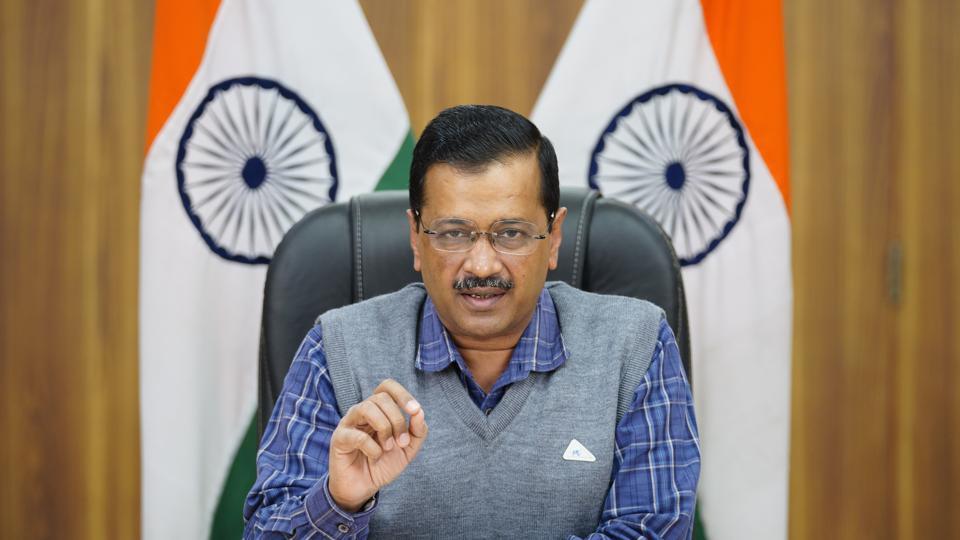
Delhi is prepared to set up 63,800 Covid-19 beds, some at a short notice of two weeks, in case there is an outbreak of the Omicron variant of the disease in the city, chief minister Arvind Kejriwal said on Tuesday.
Kejriwal chaired a meeting of concerned departments to review Delhi’s preparedness in case of a third wave in the country owing to the new Omicron variant. Delhi has 30,000 oxygen beds ready, of which 10,000 are intensive care unit (ICU) beds, he said at a virtual media briefing. During the second wave (fourth for Delhi), the national capital scaled up beds with oxygen supply up to 25,000. As many as 6,800 additional ICU beds are being made and will be ready by February next year, the chief minister said.
Also Read | From December, India imposes new rules for international arrivals over omicron scare
“We will have nearly 17,000 ICU beds alone in Delhi soon. In addition to the 30,000 beds, we have also planned that each ward will have 100 oxygen beds, which will be set up in a short notice of just two weeks, if needed. This way, Delhi will have 63,800 beds in case a third wave hits the city,” Kejriwal said.
The manpower required to attend the high number of beds is also being arranged and people are being provided training, he said. In June and July, the government built a force of 5,000 so-called community nursing assistants by training youth aged 18 and above who had completed high school so that they could help medical professionals in case of a third wave.
Also Read | ‘Full, booster doses key as new variants emerge’
“We hope that the Omicron variant doesn’t reach Delhi, but we’re making arrangements to deal with it nonetheless. During the last wave, we faced a grave shortage of oxygen. At present, all hospitals in Delhi have a combined capacity of 750MT. The problem we faced last time was that of oxygen storage and transportation. We could not store the oxygen which the Centre used to send through trains or transport them due lack of tankers. Now we have 442MT of storage capacity for oxygen, which we did not have during the last wave. We are also buying 15 tankers, which will be here in a month or so,” the chief minister said.
The city endured a punishing fourth wave of Covid-19 infections between April and May that left health infrastructure overrun, overwhelmed medical workers, and led to crematoriums running out of space. Over 760,000 people were infected in that period, while over 13,000 died of the infection between April and May alone. Cases in the city begin to peter out towards the middle of May on the back of a lockdown, which the state government imposed from April 19 onwards.
Also Read | Blanket travel bans will not prevent Omicron spread, says WHO
“Earlier Delhi had zero capacity of producing oxygen. Now, we have PSA plants that can generate up to 121MT oxygen per day. Last time we had no spare capacity for oxygen cylinders. Now, we have 6,000 D-type empty cylinders, which we have imported from China, and which will help in setting up makeshift oxygen beds if required. At present, we have three private oxygen refilling plants in Delhi, which now have a capacity of 1,500MT per day. In addition, the Delhi government has also set up two bottling plants with nearly 1,400MT capacity per day. So, we now have a daily capacity of 2,900MT to refill cylinders in Delhi now,” Kejriwal said.
To ensure proper oxygen management, a pain point identified during the last wave in Delhi, where there was hardly any accountability in terms of optimal utilisation of oxygen by hospitals and nursing homes, the government has decided to install telemetry devices on all oxygen tankers, be it of private entities or government, to monitor oxygen availability and delivery on a real time basis through a common command and control centre.
The chief minister said the administration is now placing orders for 32 types of medicines required to treat Covid-19 patients to create a buffer stock of two months. The teams involved in tracking home isolation patients earlier have also been asked to set up the necessary infrastructure for making follow-up calls once again if the need arises.
“The vaccination status in Delhi is good. Around 97% of Delhi’s citizens have received the first dose and 57% the second dose,” the chief minister said. “I appeal to those who have not got their second dose to take the jab as soon as possible. We sincerely hope that the Omicron variant and the third Covid-19 wave doesn’t come. But even if it does, we are ready to tackle it. The people of Delhi need not worry.”
In India, no case of the heavily mutated Omicron variant of Sars-Cov-2 has been detected, even as one cluster each in Maharashtra and Karnataka are being investigated.


