
 E-Paper



Dengue, malaria down by almost half this year in Haryana
510 cases of malaria and 16 cases of dengue were reported across the state until August 21 this year — down by almost half from last year’s number.


Haryana has reported a significantly lower number of cases of vector-borne diseases this year, according to the state health department.
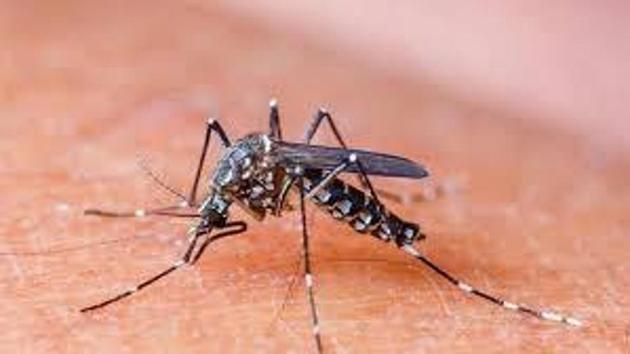
According to the data, 510 cases of malaria and 16 cases of dengue were reported across the state until August 21 this year — down by almost half from last year’s number. In 2018, 1,663 cases of malaria and 33 cases of dengue were reported in the state during the same period.
Officials attributed the improvement to interventions taken to control the threat. Fever treatment depots were set up in each district — one for every 1,000 persons — managed by accredited social health activists (ASHAs) and diagnose malaria at the local level through rapid diagnostic tests, which provide results immediately.
“ASHAs have also been following up the positive cases every three days and providing medicines,” said Dr Usha Gupta, director, vector-borne diseases, Haryana.
Nuh, where a high number of malaria cases are generally recorded, reported fewer cases so far this year — 277, down from 1,039 last year. According to Dr Vimlesh Tiwari, epidemiologist, Nuh, apart from the 253 depots set up in the district, malaria control can also be accredited to an increase in staff on the ground.
“For the last three to four years, posts of health workers were vacant. Only five workers were conducting malaria surveillance in the district. This number was increased to 80 recently,” said Tiwari.
According to officials, the number of health workers was increased across the state. Vacant posts of over 1,000 workers were filled this year, they said. The highest number of cases of malaria this year was reported from Nuh (277), followed by Palwal (67) and Panchkula (34).
Palwal had reported 220 cases of the diseases last year, and Panchkula had reported 44. However, Gurugram has, so far, reported 15 cases of malaria, as compared to 10 last year. The number of dengue cases is currently nil. Six cases were confirmed till August 21 last year.
The peak season for vector-borne diseases is during and shortly after monsoon, said experts, adding that the number of cases may rise in the next two months, as many cases of dengue also appear after the rain subsides.

Stay updated with all the Breaking News and Latest News from Mumbai. Click here for comprehensive coverage of top Cities including Bengaluru, Delhi, Hyderabad, and more across India along with Stay informed on the latest happenings in World News.


