
 E-Paper



‘Collective citizen action plays an important role in city like Gurugram’
Sunil Sareen, a Gurugram resident, highlights infrastructure gaps and pollution challenges but remains optimistic about the city's potential through citizen action.

 Prefer HTon Google


When 60-year-old Sunil Sareen moved from New Delhi to Gurugram in 2020, he did so with high expectations. He was drawn by the promise of a modern, rapidly developing city offering better amenities. However, the reality on the ground fell far short of the vision that inspired his move.
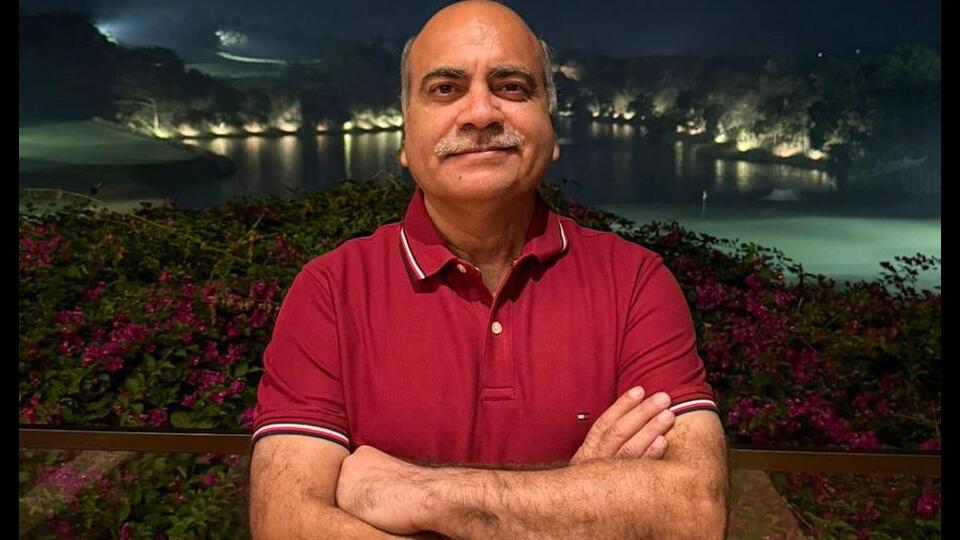
Sareen, a resident of Dwarka Expressway’s Sector 102, recalls that when he first arrived, the area lacked basic infrastructure. “In the initial days, there were no motorable roads, which made daily commuting difficult and highlighted the gap between the city’s projected image and on-ground realities,” he said.
Even today, he says, the area grapples with significant infrastructure gaps, including the absence of well-maintained parks comparable to those in Delhi’s Dwarka, underdeveloped green belts, a lack of local markets, post offices and fire stations, inadequate civic service centres, unreliable power supply, limited public transport, insufficient medical facilities, and weak traffic enforcement.
Sareen also highlighted that a major challenge facing Dwarka Expressway and Gurugram is the lack of robust public transport and inadequate last-mile connectivity. He said that despite rapid real estate and infrastructure growth, residents in the city still struggle with daily commuting due to limited transit options beyond private vehicles.
Sareen adds that another key challenge for Gurugram is rising dust pollution. He shared that continuous construction activity, coupled with insufficient dust mitigation measures and limited green cover, has significantly contributed to deteriorating air quality in several parts of the city. “Authorities are still sleeping on this issue,” he said.
However, Sareen remains optimistic about the city’s future. He says one reason is collective citizen action, which he believes has played a crucial role in shaping Gurugram’s development. “The roads we see in the area today are also a result of the consistent voices raised by residents,” he said.
Sareen himself is a co-convenor of the citizen-led group Dwarka Expressway Gurugram Development Authority.
He said that sustained collective action by residents has often helped draw attention to long-pending civic issues and pushed authorities to respond more actively. From raising complaints through resident welfare associations (RWAs) to engaging with municipal bodies and local representatives, Gurugram citizens have increasingly organised themselves to demand better infrastructure and services.
“Gurugram has the potential to become a great city. It is a dynamic urban centre that offers numerous job opportunities for the youth. Alongside the rapid growth of high-rises, if the authorities plan and prioritise civic infrastructure effectively, then nothing can stop the city from truly living up to its identity as a millennium city,” he said.
Sunil Sareen is a resident of Dwarka Expressway’s Sector 102 and co-convenor of the citizen-led group DXP-GDA.


Stay updated with all the Breaking News and Latest News from Mumbai. Click here for comprehensive coverage of top Cities including Bengaluru, Delhi, Hyderabad, and more across India along with Stay informed on the latest happenings in World News.


