
 E-Paper



Green groups hail Aravalli safeguards in NCR 2041 plan
Environmentalists said the move preserves existing legal protections for ecologically sensitive areas across the region.

 Prefer HTon Google


Environmentalists, citizen groups and conservationists have welcomed the retention of the Natural Conservation Zone (NCZ), a key provision protecting ecologically sensitive areas like the Aravalli range, in the NCR Regional Plan 2041 – a blueprint for future-ready, sustainable urbanisation and multi-sectoral development.
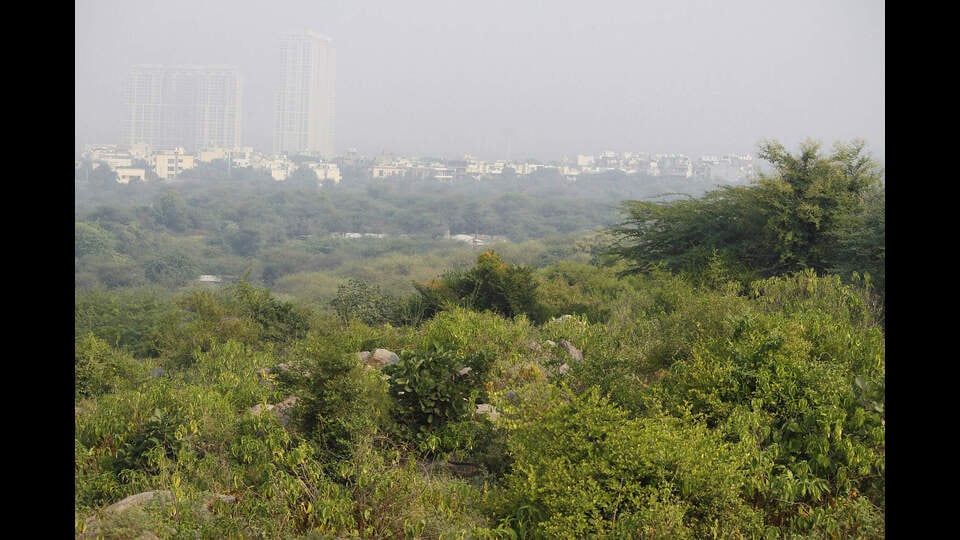
According to the agenda for the June 16 meeting of the National Capital Region Planning Board (NCRPB), circulated last week, all existing statutes, notifications, court orders and environmental regulations applicable to NCZ areas will remain in force and must be strictly followed by authorities.
The issue stems from the Draft Regional Plan released in 2021, proposing replacing NCZ with “Natural Zone” – a less restrictive classification.
Environmentalist Neelam Ahluwalia, who has been campaigning for the conservation of the Aravalli for several years, termed the development a victory for thousands of people who have been advocating continuous protection of the Aravalli. “People across NCR had raised strong objections to the proposed dilution of environmental safeguards. Thousands of citizens participated in protests, online campaigns and consultations demanding the NCZ framework be retained,” she said.
Ahluwalia said that in 2022, more than 12,000 school students from Delhi, Haryana, Rajasthan and Uttar Pradesh signed objection letters.
Mahi, a former student of Pathways School Gurgaon and part of a student delegation that met government officials in 2022 regarding NCZ, said, “Aravallis act as a natural barrier against desertification and help recharge groundwater. Protecting them is critical for the future of Delhi-NCR. We are happy that our concerns have been heard”.
Noted water conservationist Rajendra Singh said dilution of NCZ could have left large stretches of the Aravallis and other natural ecosystems vulnerable. “Retaining (NCZ) this framework is essential for protecting the region’s ecology and water security,” he said.
Diwan Singh of the Ridge Bachao Andolan said that retaining NCZs removes ambiguity and ensures continuity with existing master and sub-regional plans. “Aravallis are critical to the environmental health of NCR. Conservation safeguards must apply to all hills, forests, wetlands, rivers and water bodies, regardless of whether they are specifically notified or reflected in revenue records,” he said.
Environmental groups have urged the NCRPB to ensure that the NCR Plan 2041 retains robust safeguards for the Aravallis and other natural ecosystems – crucial for improving air quality, groundwater and long-term ecological resilience.

Stay updated with all the Breaking News and Latest News from Mumbai. Click here for comprehensive coverage of top Cities including Bengaluru, Delhi, Hyderabad, and more across India along with Stay informed on the latest happenings in World News.


