
 E-Paper



Gurugram increases hospital beds to prepare for possible Omicron wave
As on Monday, the district has a total of 5,532 beds — up from 3,700 beds during the second wave — including oxygen beds, intensive care unit beds and ventilator beds, health officials said as concerns mount over a countrywide rise in cases of Omicron, the new Covid-19 variant


Since the second wave of Covid-19 in April-May, hospital beds in the district have been increased by almost 50% across both private and government hospitals, said officials.
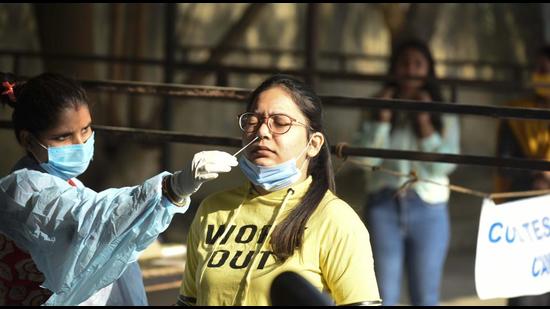
As on Monday, the district has a total of 5,532 beds — up from 3,700 beds during the second wave — including oxygen beds, intensive care unit beds and ventilator beds, health officials said as concerns mount over a countrywide rise in cases of Omicron, the new Covid-19 variant.
The district health department, on December 1, had asked all private and government hospitals to update details of bed availability, as part of preparations to tackle a new spread of the pandemic.
Dr Jai Prakash, district surveillance officer, said, “Hospital bed capacity has been increased in the district by at least 50% since the second wave. Apart from the beds available in private and government hospitals, there are almost 1,000 beds available in temporary hospitals that were set up during the second wave — like the facility at Tau Devi Lal Stadium, M3M and other government facilities. All these beds also have oxygen support. Of these beds, 350 can be used for paediatric cases of Covid-19.”
According to the data shared by the health department, of the 5,532 beds, 3,427 are in private hospitals and have oxygen support, 434 are ventilator beds, and 952 are ICU beds. A total of 367 beds available in government hospitals, all of which are oxygen supported. Of the 367, six are ventilator beds and 19 are ICU beds.
Dr Virender Yadav, chief medical officer, Gurugram, said, “We have taken an update from all hospitals to see how many beds are available and we are continuously monitoring the situation. There are enough beds in both government and private hospitals in the district, in addition to those in the temporary hospitals that were built during the second wave of Covid. We also have 25% of beds in all hospitals reserved for treatment of Covid-19 patients at any given point of time.”
In the district, 101 hospitals with 20 beds or above, are associated with the health department and authorised to treat Covid-19 patients. A total of 38 hospitals have 50 beds and above.
The district has also increased testing to a daily average of 4,000 samples. The district health department is also sending 30 samples at random every month for genome sequencing as part of monitoring process for Omicron.
Stay updated with all the Breaking News and Latest News from Mumbai. Click here for comprehensive coverage of top Cities including Bengaluru, Delhi, Hyderabad, and more across India along with Stay informed on the latest happenings in World News.


