
 E-Paper



Gurugram’s poor Swachh rank blamed on sanitation staff’s strike
Gurugram’s cleanliness has declined drastically in the past year, according to the Swachh Survekshan Survey 2023, the annual ranking of cities based on their cleanliness by the central government that was released on Thursday, which judged it the 140th cleanest city out of 446 urban local bodies with a population of more than 100,000 people

 Prefer HTon Google


Gurugram’s cleanliness has declined drastically in the past year, according to the Swachh Survekshan Survey 2023, the annual ranking of cities based on their cleanliness by the central government that was released on Thursday, which judged it the 140th cleanest city out of 446 urban local bodies with a population of more than 100,000 people.
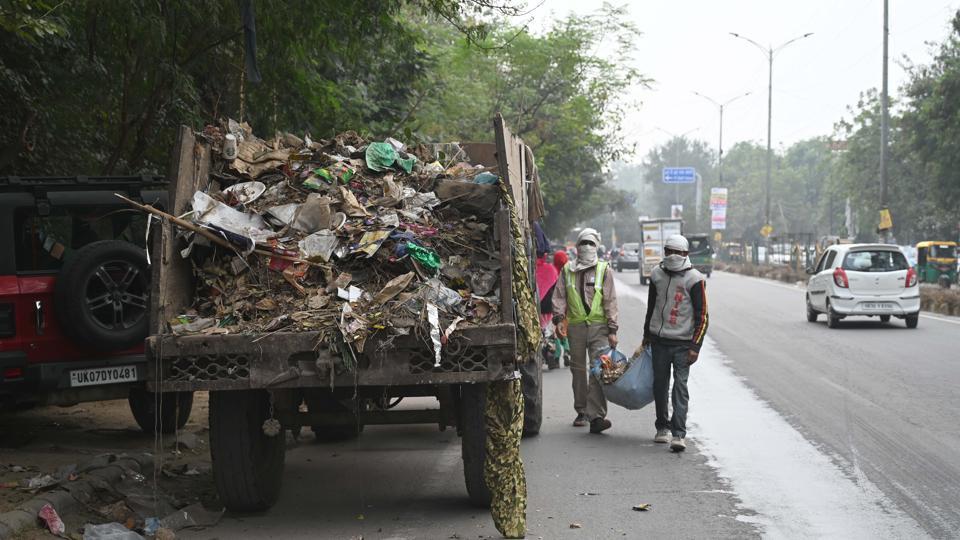
Civic body officials attributed the poor performance in the report to the months-long strike by the city’s sanitation workers.
In the 2022 report, Gurugram ranked 19th — its highest-ever rank since the central government survey was launched in 2015. To be sure, this year’s survey carried changed baseline levels, with urban local bodies being eligible to earn 9,500 points in various categories in comparison to 7,500 points in the 2022 version of the survey. Additionally, the latest survey clubbed urban local bodies in two categories — cities with more than 100,000 and those with populations fewer than this number. In contrast, for the 2022 assessment, cities were divided into two buckets — one with 100,000 to 1 million population, and the other with over a million population.
The Union ministry of Housing and Urban Affairs explained the marks itself were divided into three main categories of parameters: 51% (4,830 marks) were related to service level progress, such as door-to-door waste collection, segregation, public area cleanliness, ban on single use plastics; 26% (2,500 points) pertained to certifications such as open defecation-free status and garbage free city (GFC) rating; and 23% (2,170 marks) was based on citizen feedback.
Gurugram received 1,451.60 marks in the citizen feedback category, 3,032.50 for service level progress, and 725 in the certification category, totalling 5,209.01 points, and was ranked fourth across 20 districts in Haryana.
According to the survey, the city did well in door-to-door waste collection with a score of 85%, and also performed well in waste generation vs processing (93%), cleanliness of residential areas (86%), cleanliness of market areas (87%), cleanliness of water bodies (80%), and cleanliness of public toilets (95%). However, it performed poorly in source segregation (15%) and remediation of dump sites (22%).
MCG said the primary cause of the city’s drop in rank was the strike by the sanitation workers. “The main reason for our drop in rankings is the strike by the sanitation workers,” said Naresh Kumar, joint commissioner of MCG.
Vaishali Rana, a city-based environmentalist, said she was not surprised with the results of the survey. “The officials involved in managing sanitation in the city should be held responsible and action must be taken against them. Even after spending crores, we are failing in cleanliness and solid waste management. This is shameful,” she said.
Parts of Gurugram became dump yards between January and November when thousands of sanitation workers went on strike. The workers sought an increase in salary, regularisation of staff on payroll, and reinstatement of services of those who were laid off due to poor performance or other reasons.
On December 21, Haryana chief minister Manohar Lal Khattar conducted a surprise check in various locations across the city and imposed penalties on MCG officials for poor sanitation in the city.
Kumar said Gurugram will perform better in the 2024 survey because MCG has taken several steps to improve sanitation across the city. “The RWAs will play a vital role this year in keeping the city clean and waste-free. We have also floated tenders for four private agencies that will collect waste at the doorstep between Ward 1 and Ward 4,” he said.


