
 E-Paper



NGT asks Haryana to tackle waterlogging and groundwater depletion crisis
The tribunal gave the state six months to examine the issue and act on illegal groundwater extraction and worsening soil salinity.

 Prefer HTon Google


The National Green Tribunal (NGT) has directed the Haryana government to examine the growing twin problems of waterlogging and groundwater depletion across the state and take remedial measures within six months, while observing that effective ground-level action against illegal groundwater extraction remained lacking.
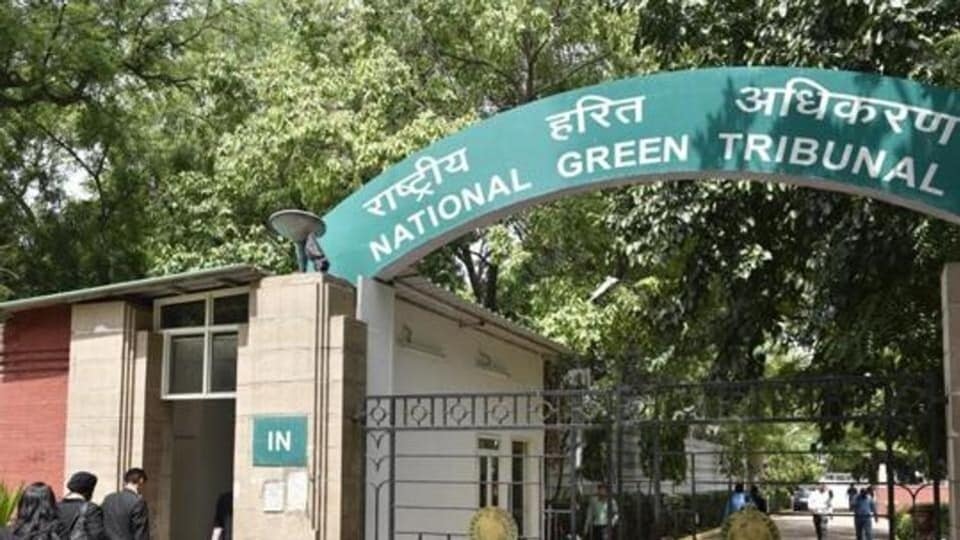
A principal bench comprising Justice Arun Kumar Tyagi and expert members Dr A. Senthil Vel and Dr Afroz Ahmad passed the directions while disposing of a petition filed by Haryana farmer Jai Singh under Sections 14, 15 and 18 of the National Green Tribunal Act, 2010.
The petition, filed through advocates Gaurav Arya, Naveen Bamel, Harsh Goyal, Aakrshak Rathi and Manav Trivedi, sought constitution of a scientific committee to study the worsening environmental conditions caused by waterlogging, soil salinity and groundwater depletion in Haryana.
According to the plea, excessive irrigation, canal seepage, poor drainage systems and over-extraction of groundwater have created a hydrological imbalance across the state. While some regions are witnessing rising water tables and increasing salinity, others are facing rapid depletion of groundwater reserves.
The application cited scientific studies and official reports claiming that nearly 9.82 lakh acres of land in Haryana are affected by waterlogging and salinity, particularly in Rohtak, Jhajjar, Charkhi Dadri, Sonipat, Bhiwani, Hisar and Fatehabad. It further stated that 88 of Haryana’s 143 groundwater assessment units have already been categorised as “over-exploited”.
The tribunal observed that environmental degradation was adversely affecting soil fertility, agricultural productivity and long-term ecological sustainability. The plea also warned that fertile agricultural land could permanently turn saline and become unfit for cultivation without urgent scientific intervention.
Referring to earlier proceedings concerning illegal groundwater extraction in Gurugram and other parts of Haryana, the bench noted that previous responses filed by authorities failed to demonstrate effective enforcement action. “None of the above replies reflect the effective action by the authorities at the ground level to check the unauthorised groundwater extraction,” the tribunal observed.
The NGT further noted allegations that builders, industries, educational institutions, residential societies and farmhouses were illegally extracting groundwater.
Referring to earlier recommendations by the Central Groundwater Board, the tribunal reiterated measures including crop diversification, mandatory rooftop rainwater harvesting in government buildings, wider use of micro-irrigation techniques and sustainable groundwater management practices.
In its final order, the tribunal directed the Haryana chief secretary to place the matter before the state government after hearing all stakeholders. “The present application is disposed of with direction to the Chief Secretary to the Government of Haryana to treat the original application as a representation made to the Government of Haryana,” the bench said.
The tribunal added that the applicant would remain free to approach the NGT again through appropriate legal proceedings if dissatisfied with the action taken.


Stay updated with all the Breaking News and Latest News from Mumbai. Click here for comprehensive coverage of top Cities including Bengaluru, Delhi, Hyderabad, and more across India along with Stay informed on the latest happenings in World News.


